Bade Emirate: Echoes of Heritage in Gashua, Yobe State

My visit to Gashua, the heart of the Bade Emirate in Yobe State, Northern Nigeria.

A Legacy Rooted in History

The Bade Emirate stands as one of Nigeria’s oldest traditional states, with a heritage shaped by centuries of migration and adaptation. Oral tradition holds that the Bade people originated near Lake Chad and eventually settled along the fertile banks of the Komadugu Yobe River.

Bade traditions also include legends of migration from the East, a theme common among many North-Eastern Nigerian communities. According to local accounts, the Bade people settled in their present territory as early as the 1300s, forming strong clan units and uniting to defend their land against external threats. 

Gashua, now the Emirate’s headquarters, remains a centre of life.

Bade Emirate Cultural Identity 

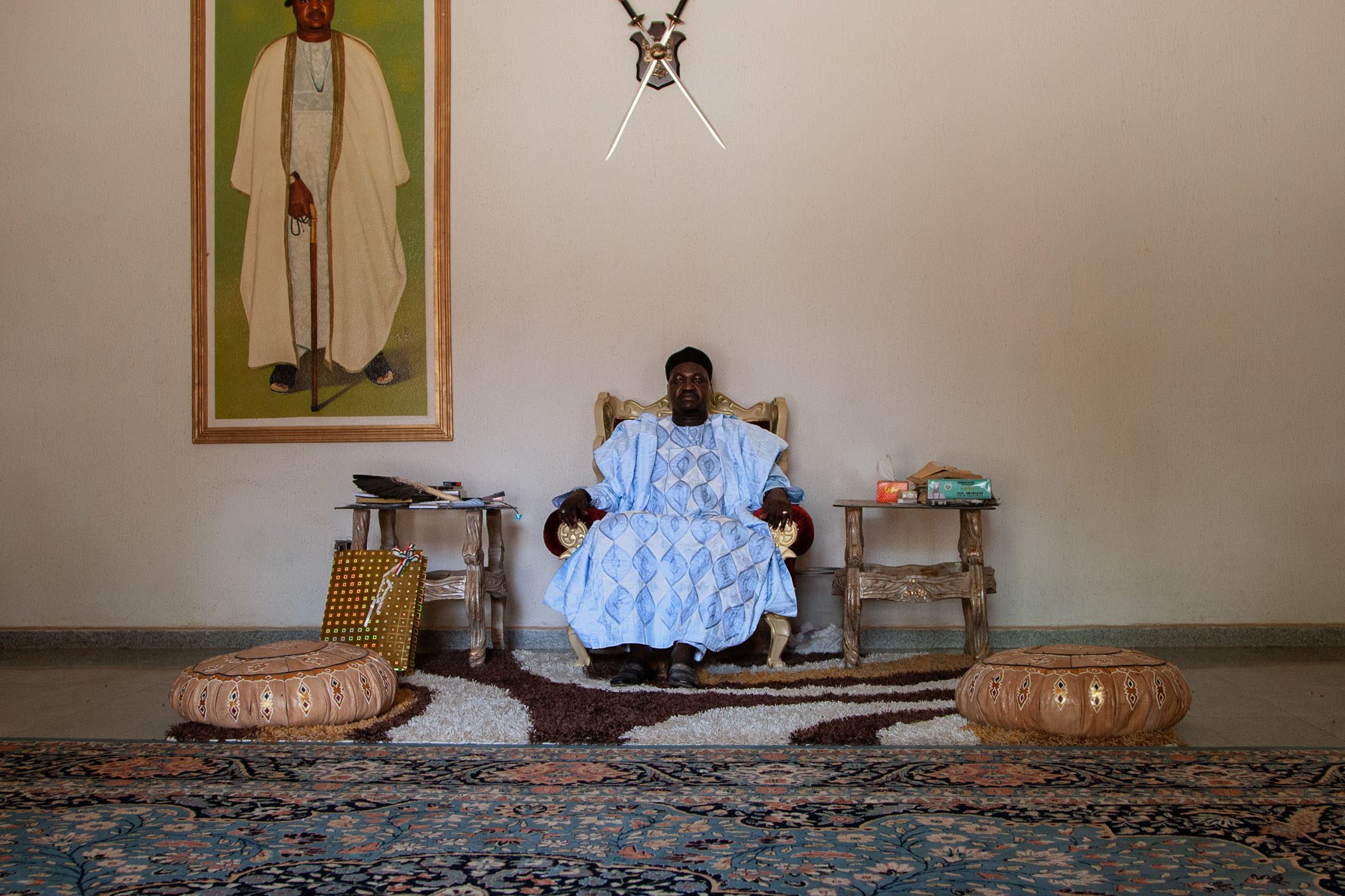
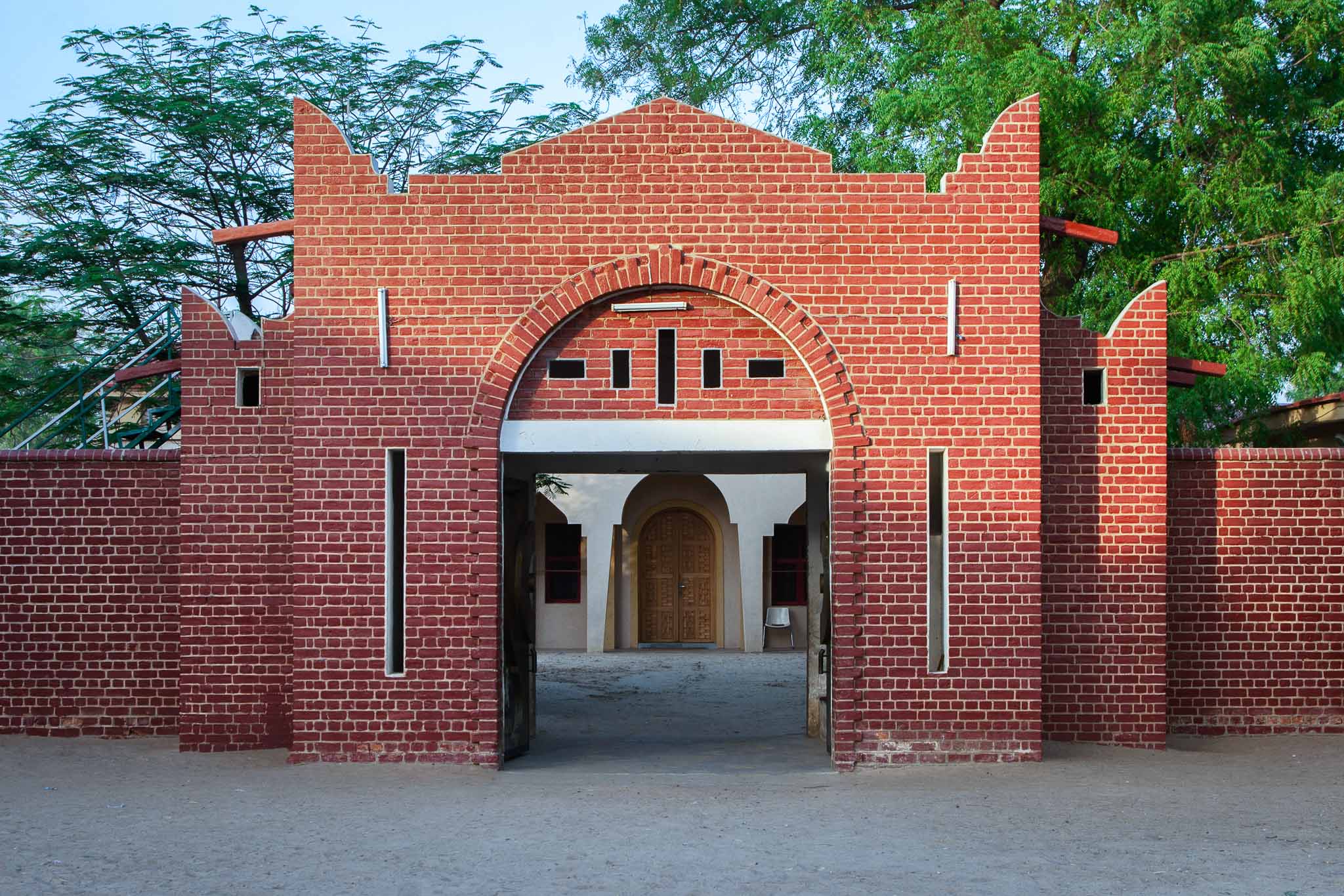
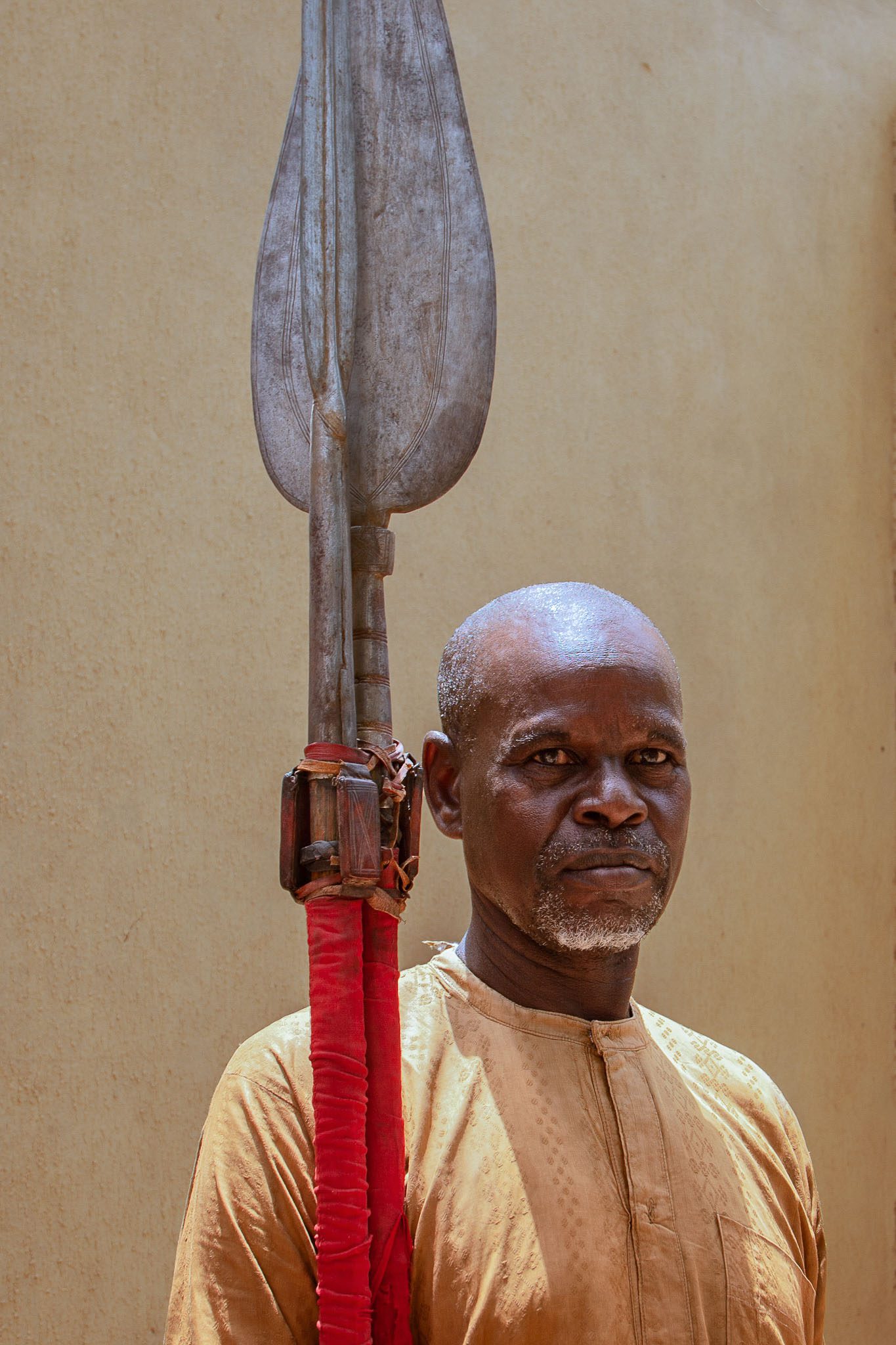
During my visit, I was welcomed into the Emir’s palace. This place embodies the dignity, resilience, and hospitality of the Bade people. The palace architecture blends traditional forms with modern touches, reflecting a community that honours its past while moving forward. My photographs sought to capture the warmth of everyday interactions, the intricate details of the palace, and the enduring spirit of Bade culture.

Portrait of Alh. Abubakar Umar Suleiman, 11th Emir of Bade (Mai Bade), Yobe State, seated in his traditional royal seats in the formal reception room, Gashua.
Alh. Abubakar Umar Suleiman, the 11th Emir of Bade (Mai Bade) in reception room at Gashua, Yobe State.

Symbols of Tradition: The Flag and Royal Instruments

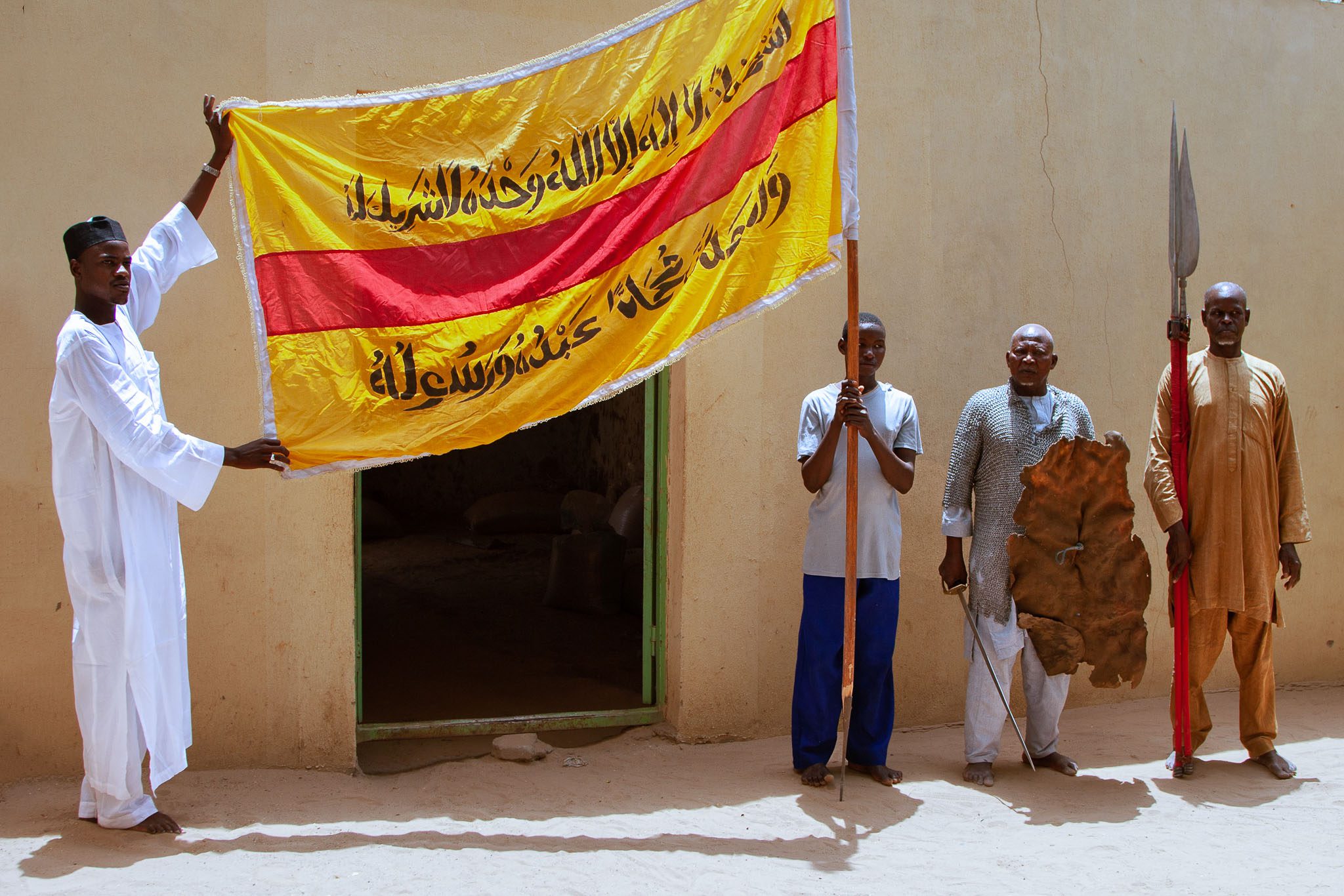
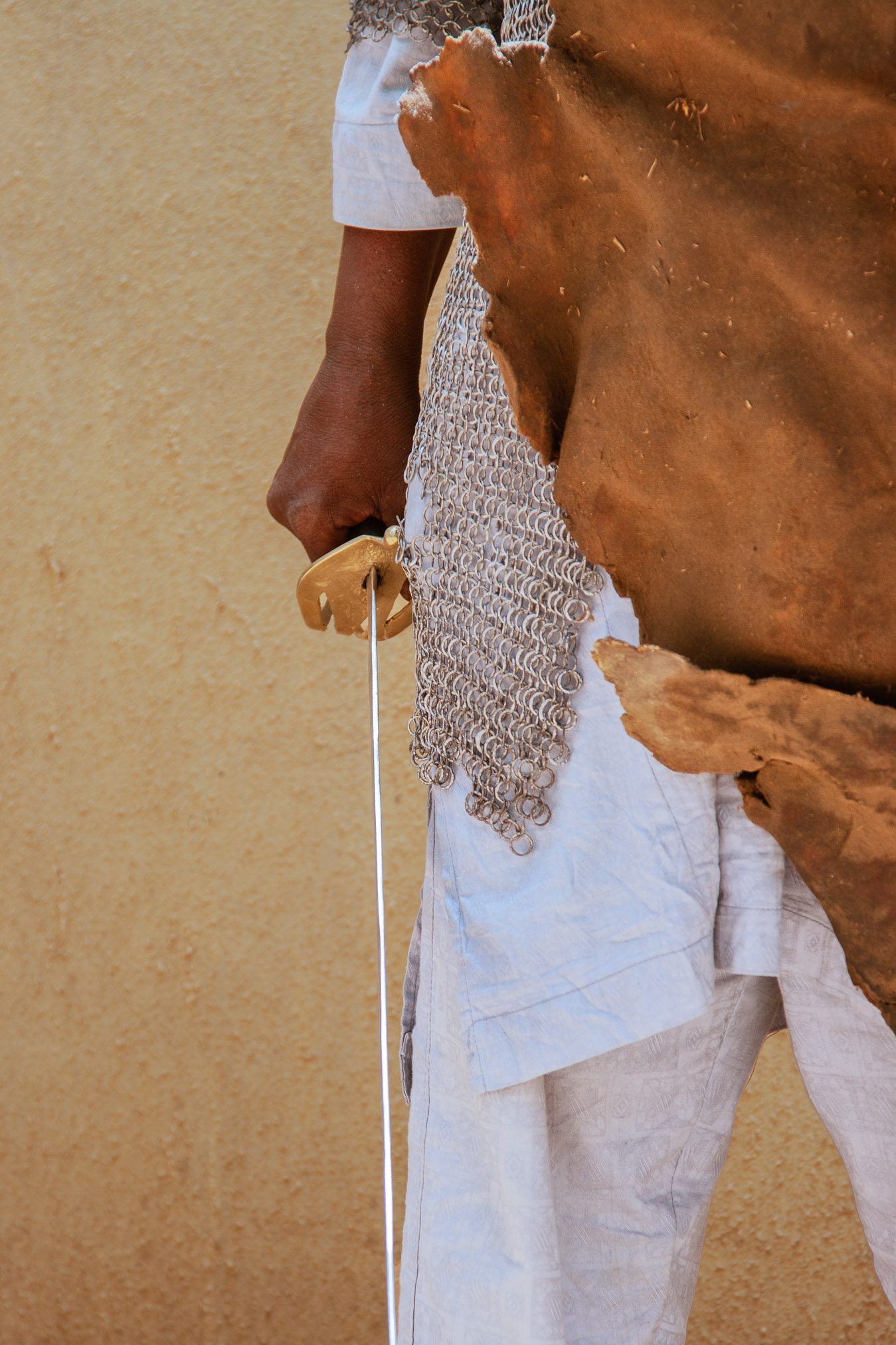
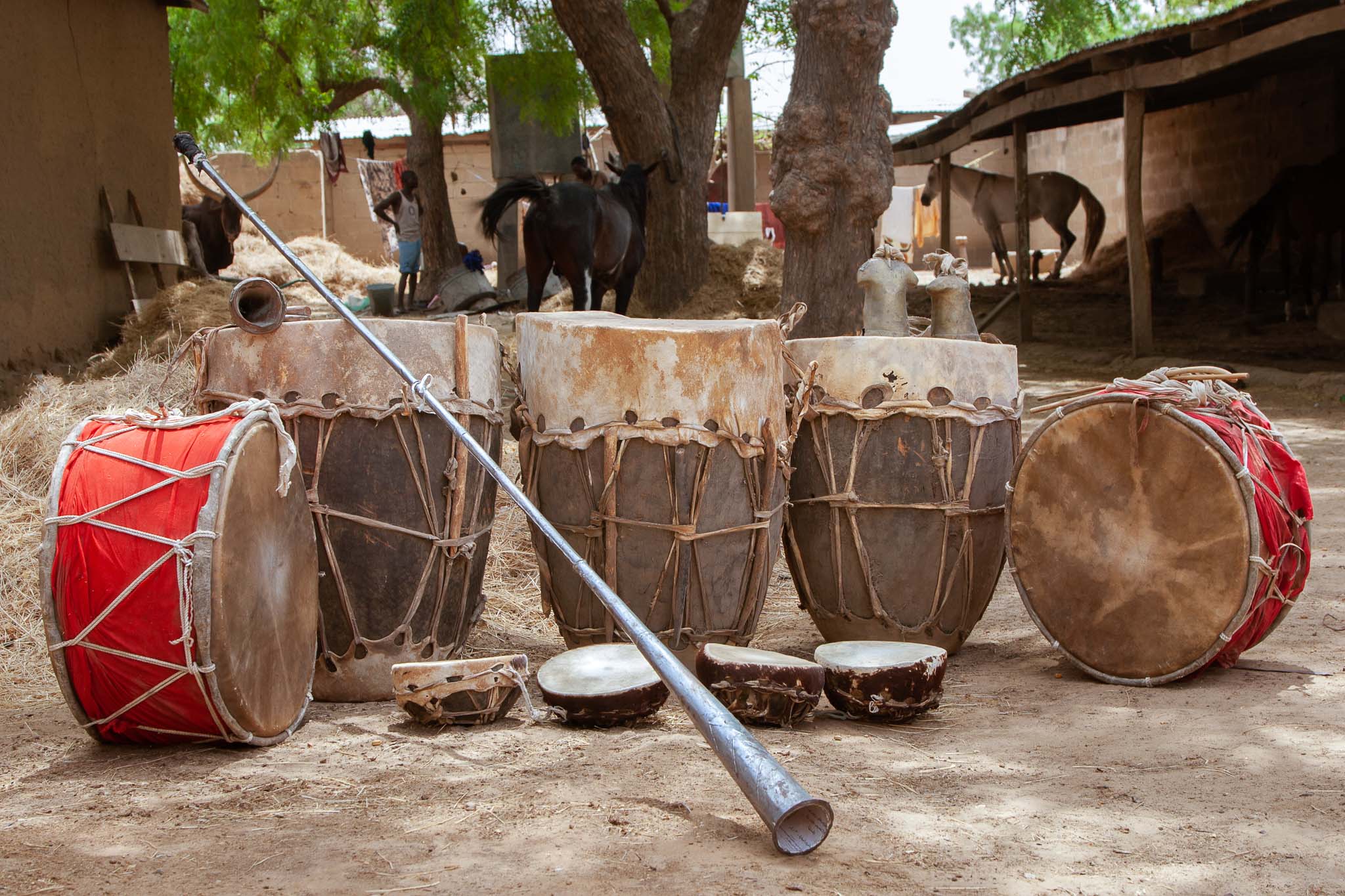
Tradition and pride were on full display in the Emir’s palace. The Emirate’s flag and royal musical instruments – symbols of authority, heritage, and unity – were presented with great care. I had the privilege of photographing these cherished items, capturing the Emir seated on his throne, surrounded by the emblems of his people’s history.

Scenes from Gashua Market

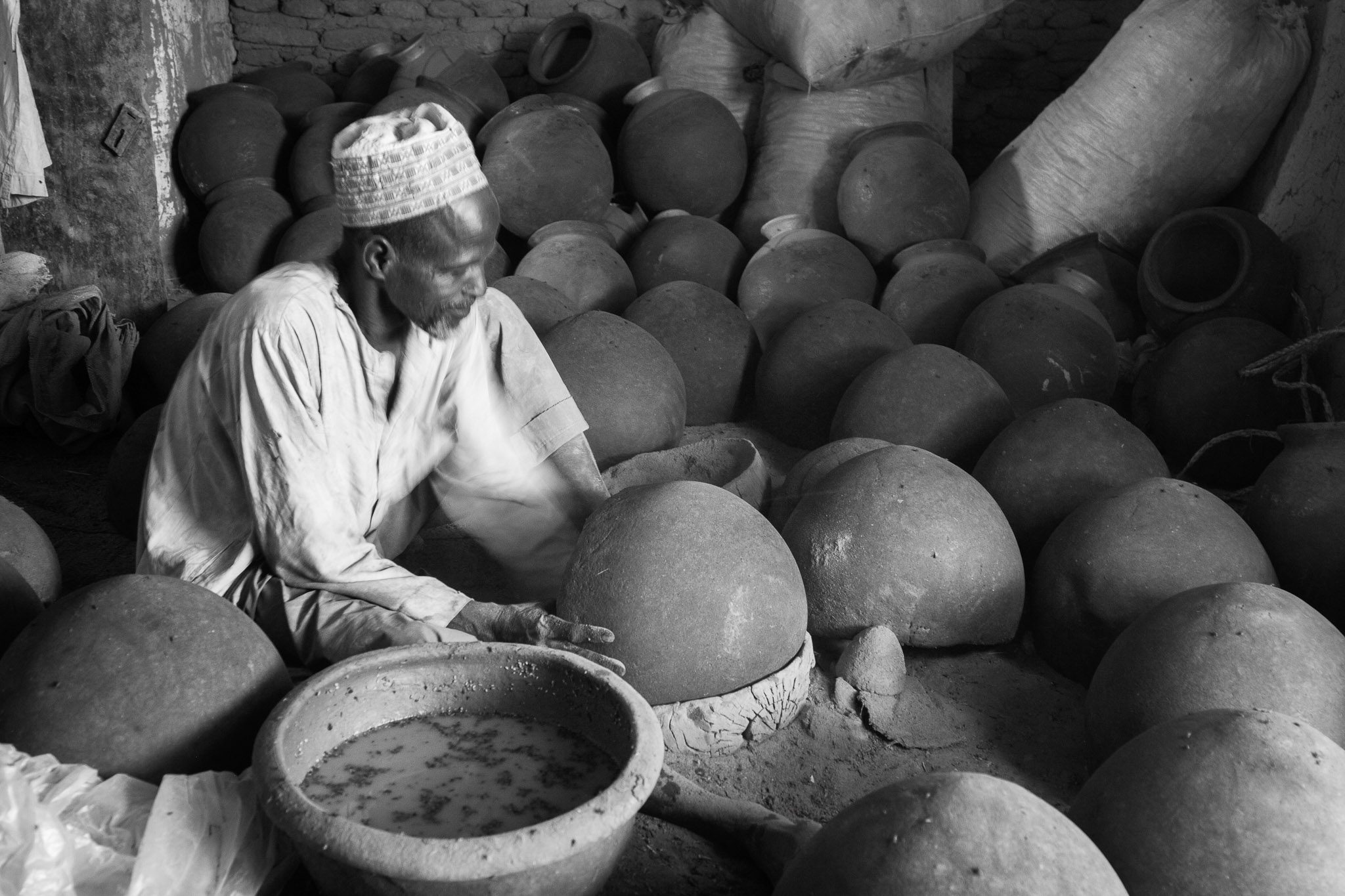
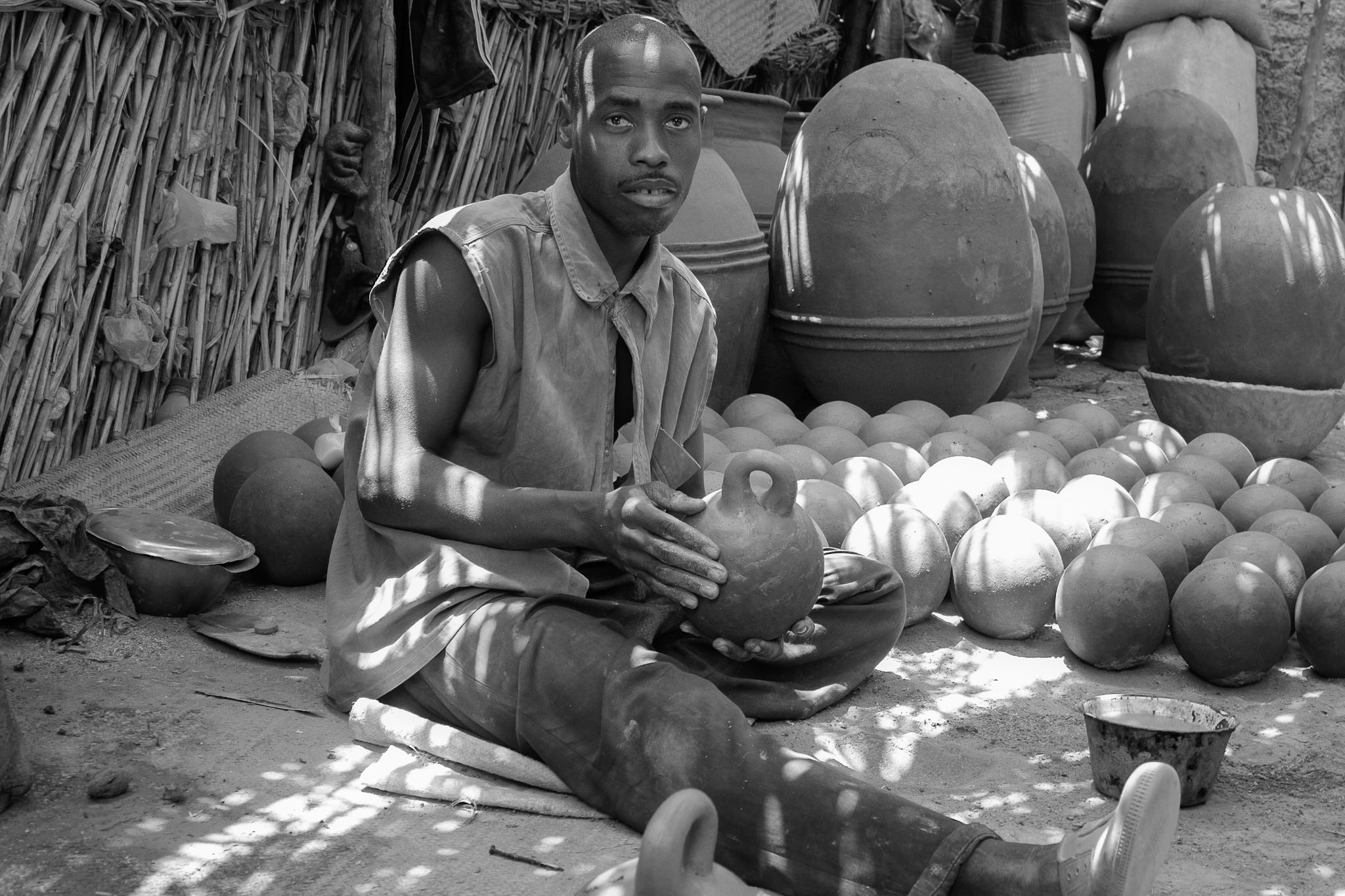
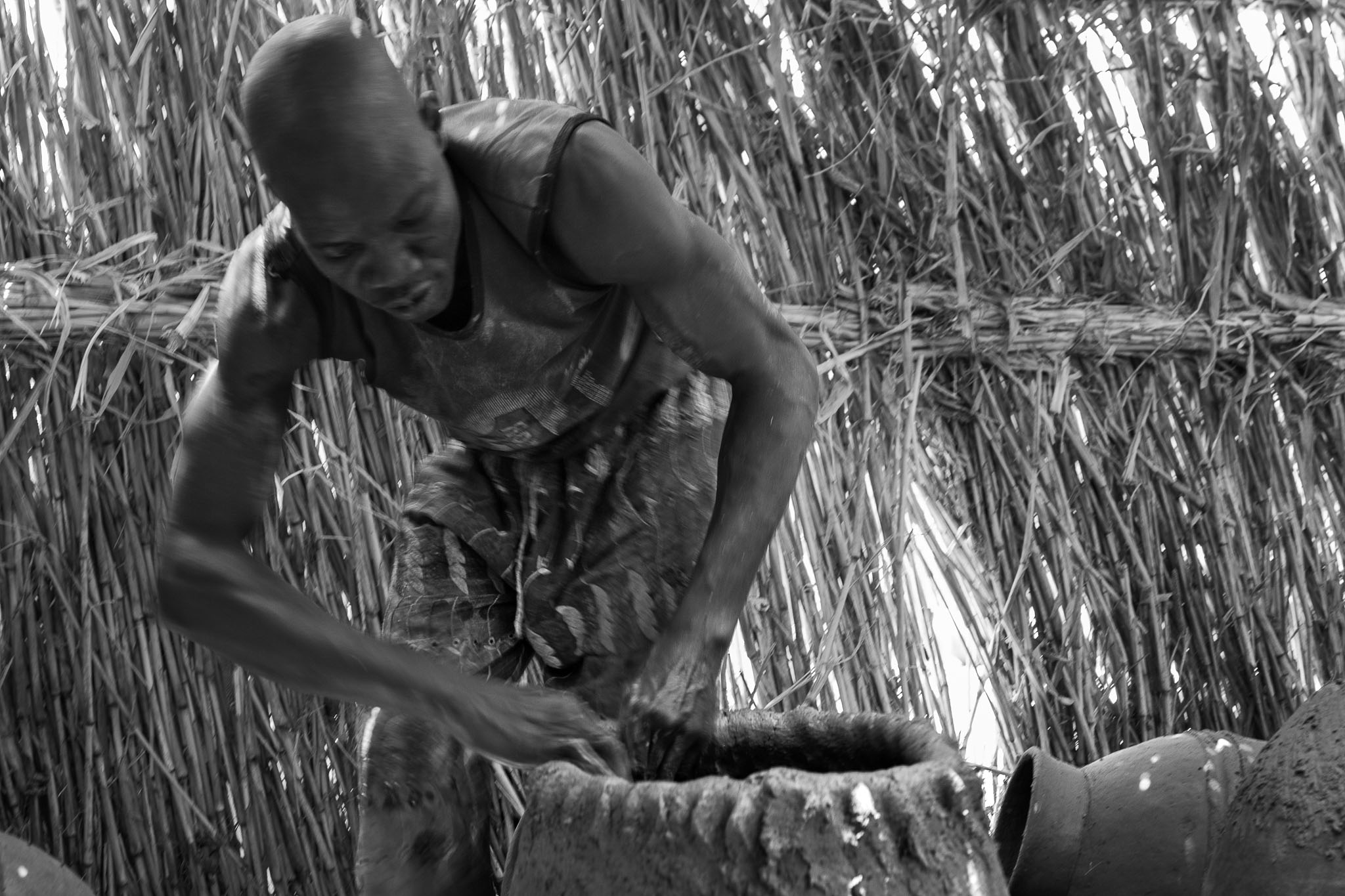
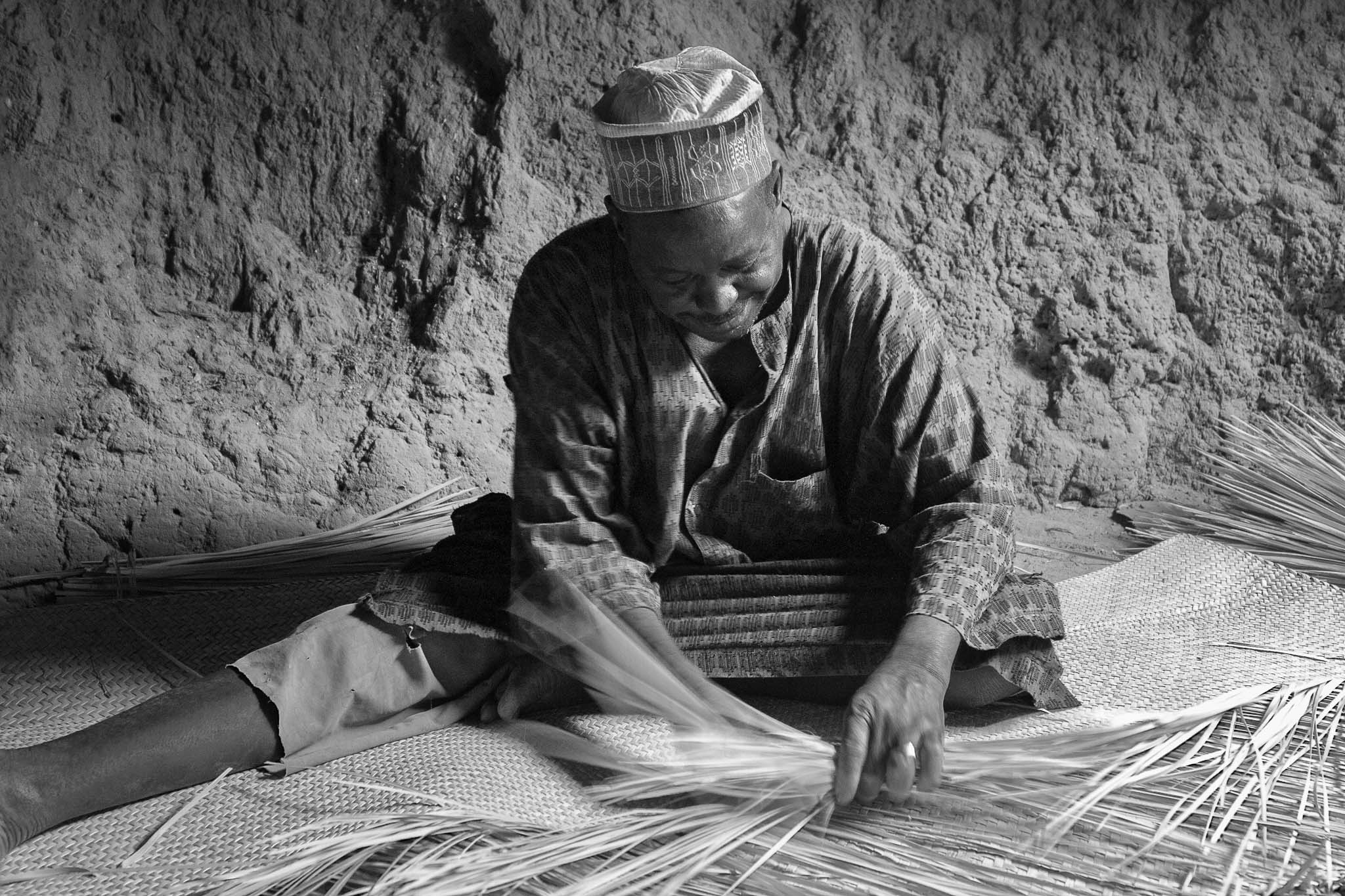
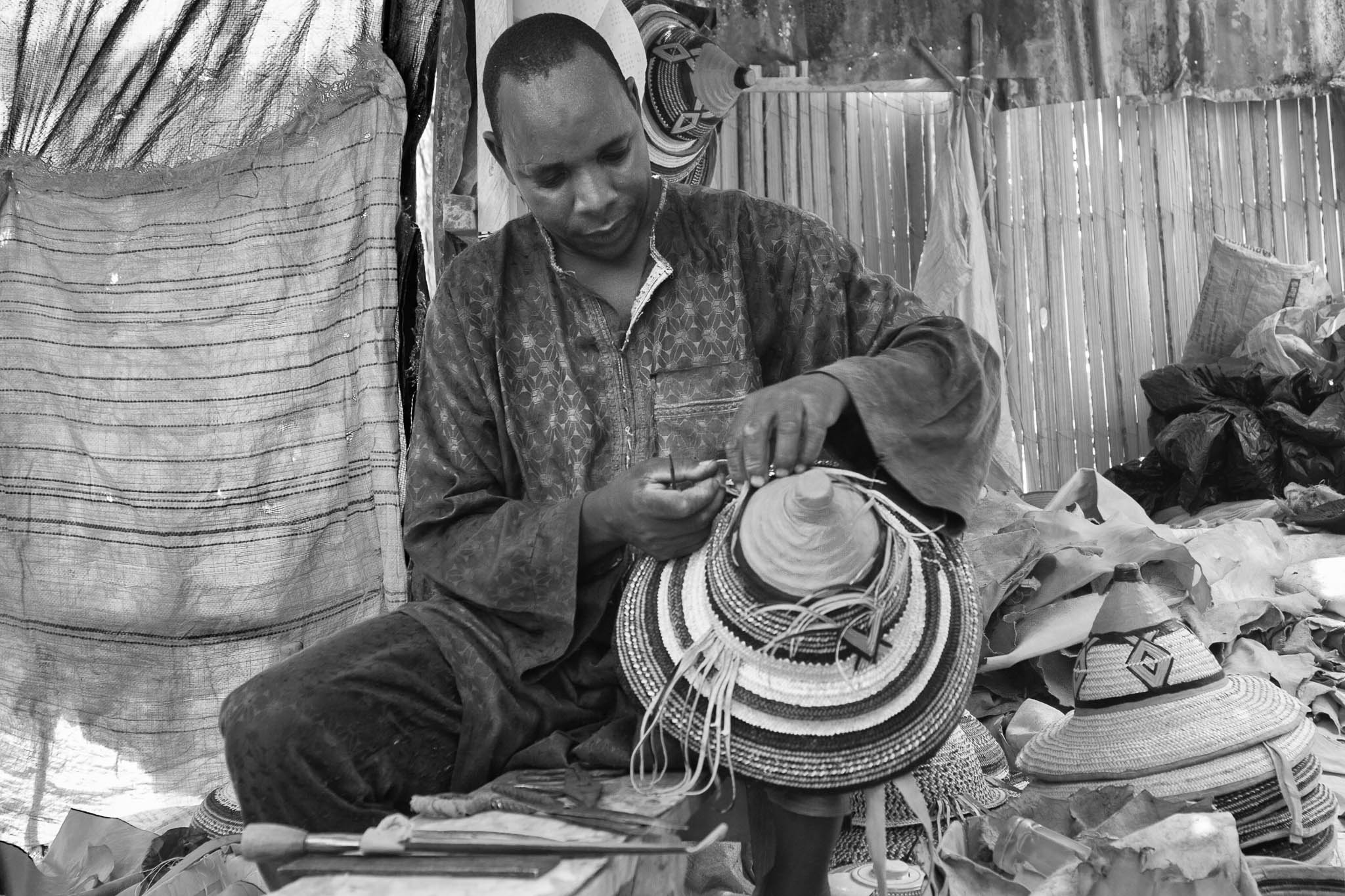
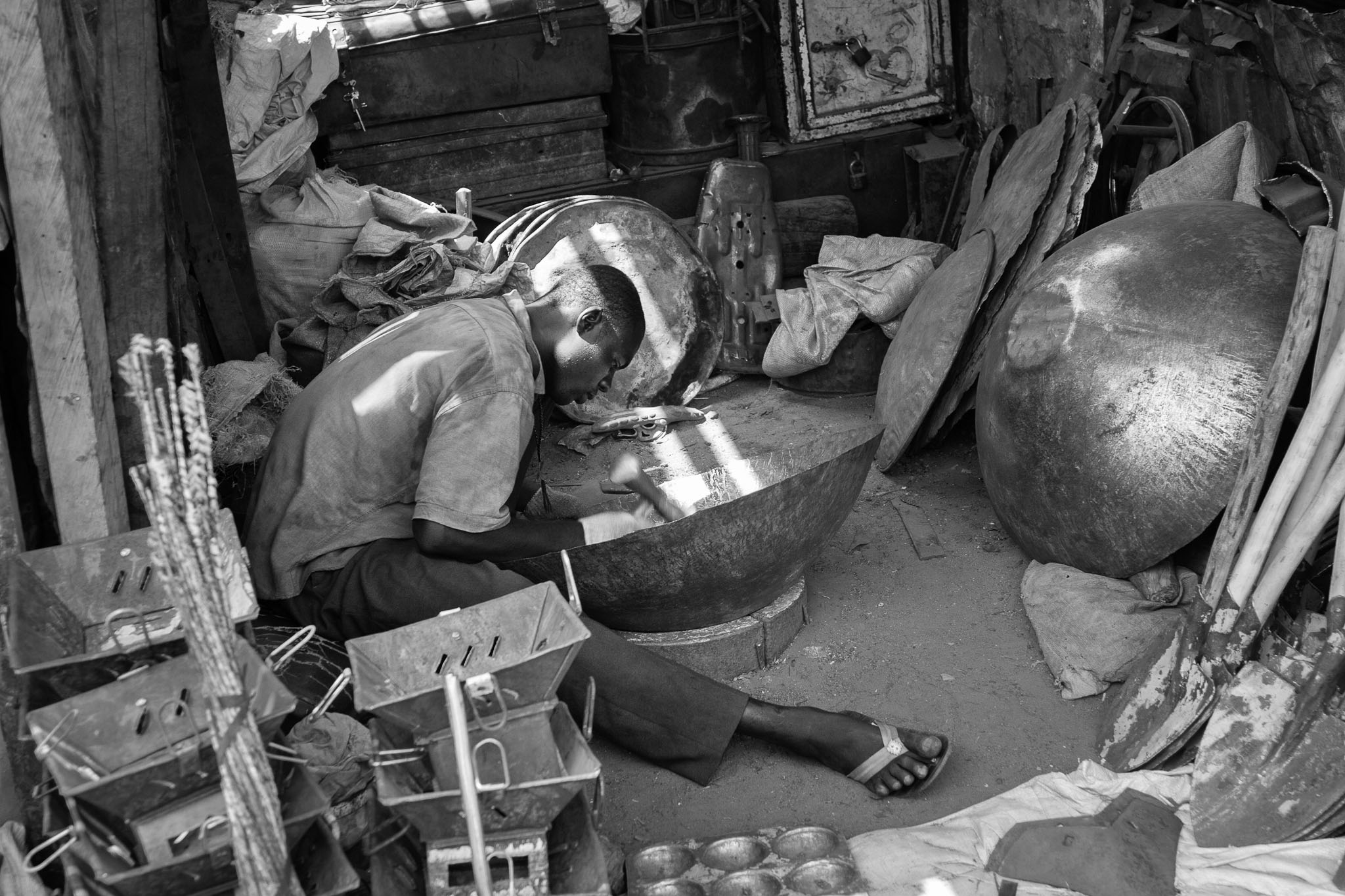
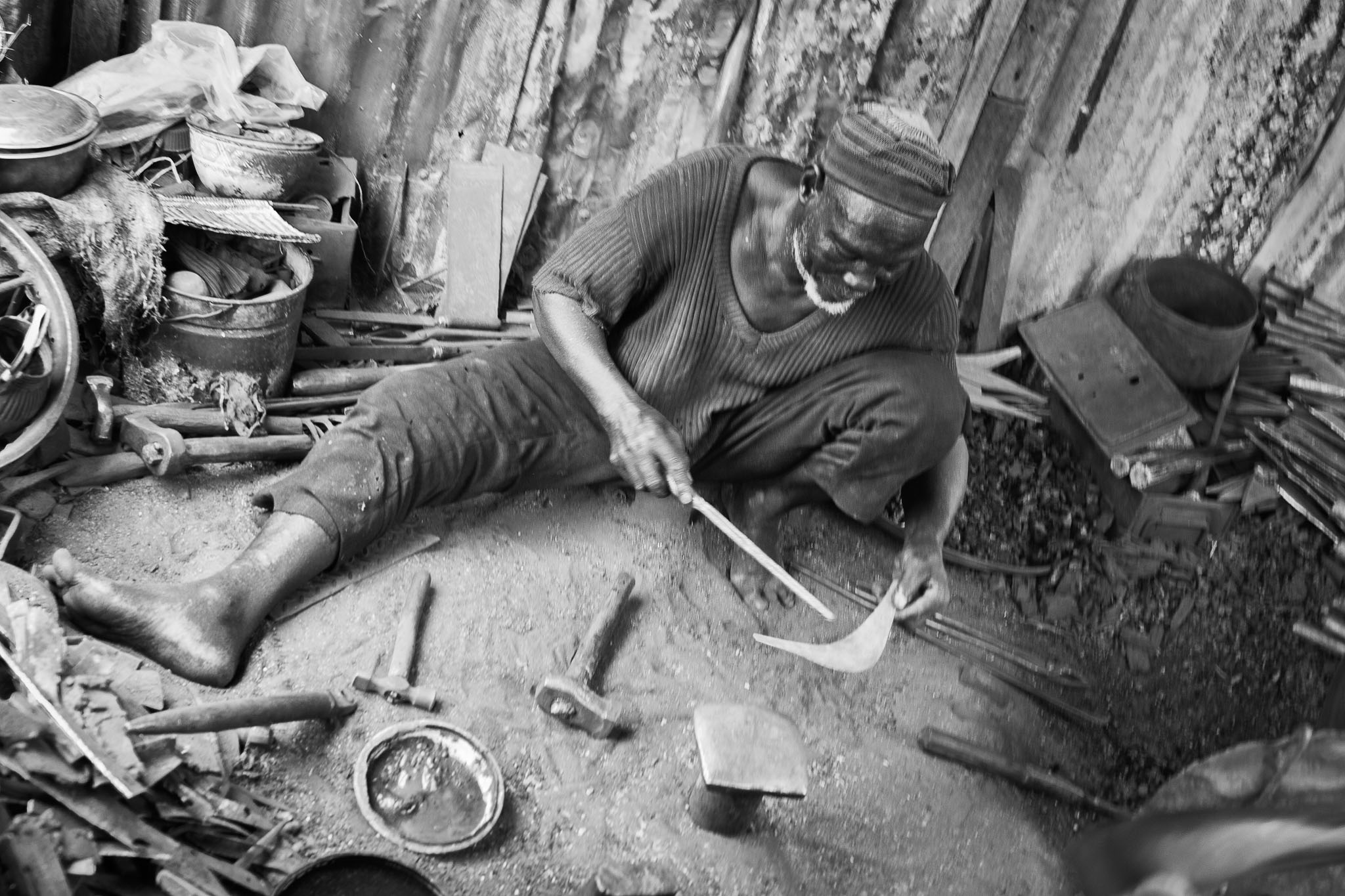
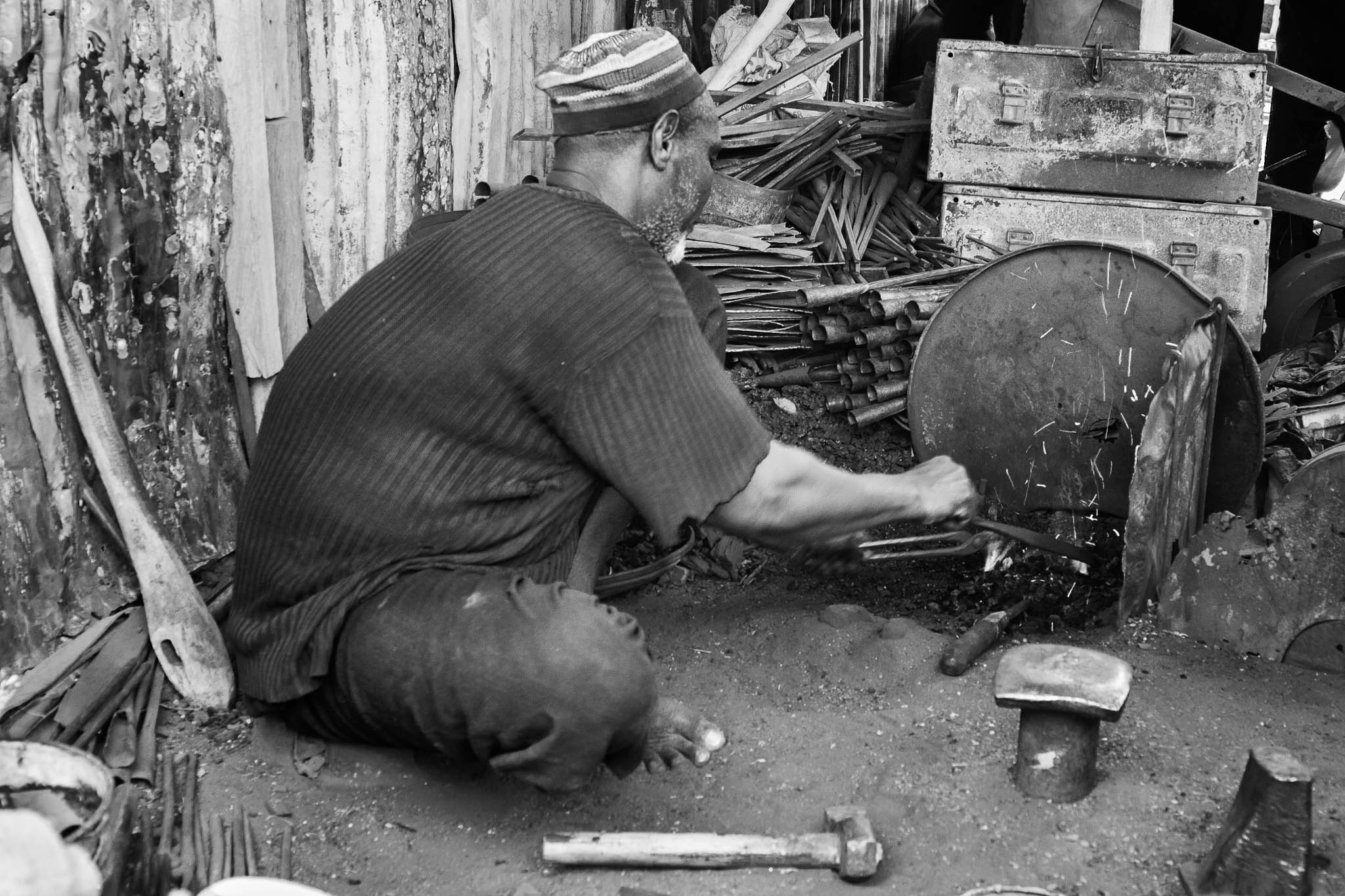
Beyond the palace, Gashua’s market is a vibrant hub of activity. Here, artisans shape clay, weave baskets, and trade goods in a lively atmosphere that reflects the creativity and resilience of the Bade people. The market is more than a place of commerce – it’s a gathering point for the community, where skills are passed down, and traditions are kept alive.

These images from the market reveal another side of Bade life: the artistry, collaboration, and daily rhythms that define this remarkable Emirate.

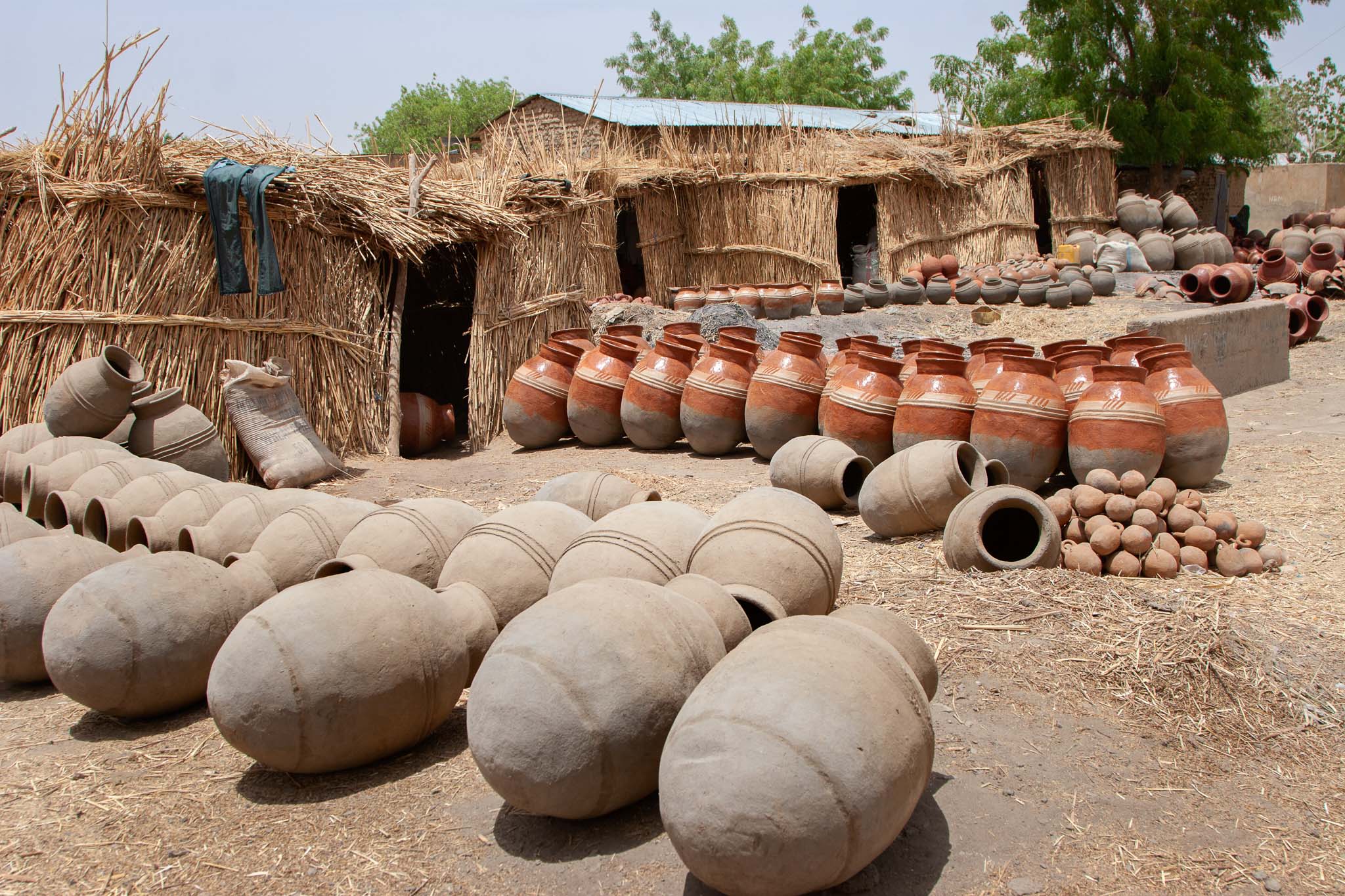
Bade Emirate Straw-built houses and warehouses with pottery drying in the sun outside a pottery workshop at Gashua Central Market, Yobe State, Nigeria.
Pottery dries in the sun outside straw-built workshops at Gashua Central Market, Yobe State.

Bade Fishing Festival

Although I have not yet photographed it, the Bade Emirate is also known for the Mauyi – Ganga Fishing Festival – a colourful annual event held at the riverside in Gogaram. The festival brings together fishermen, families, and visitors from across the region to celebrate local traditions through fishing competitions, music, and cultural displays. 

For detailed image descriptions, licensing, or print purchases, please visit my Photoshelter Gallery.

Scroll to Top