
Bulatura Oases
My Impressions of the Journey to Bade Emirate, Yobe State
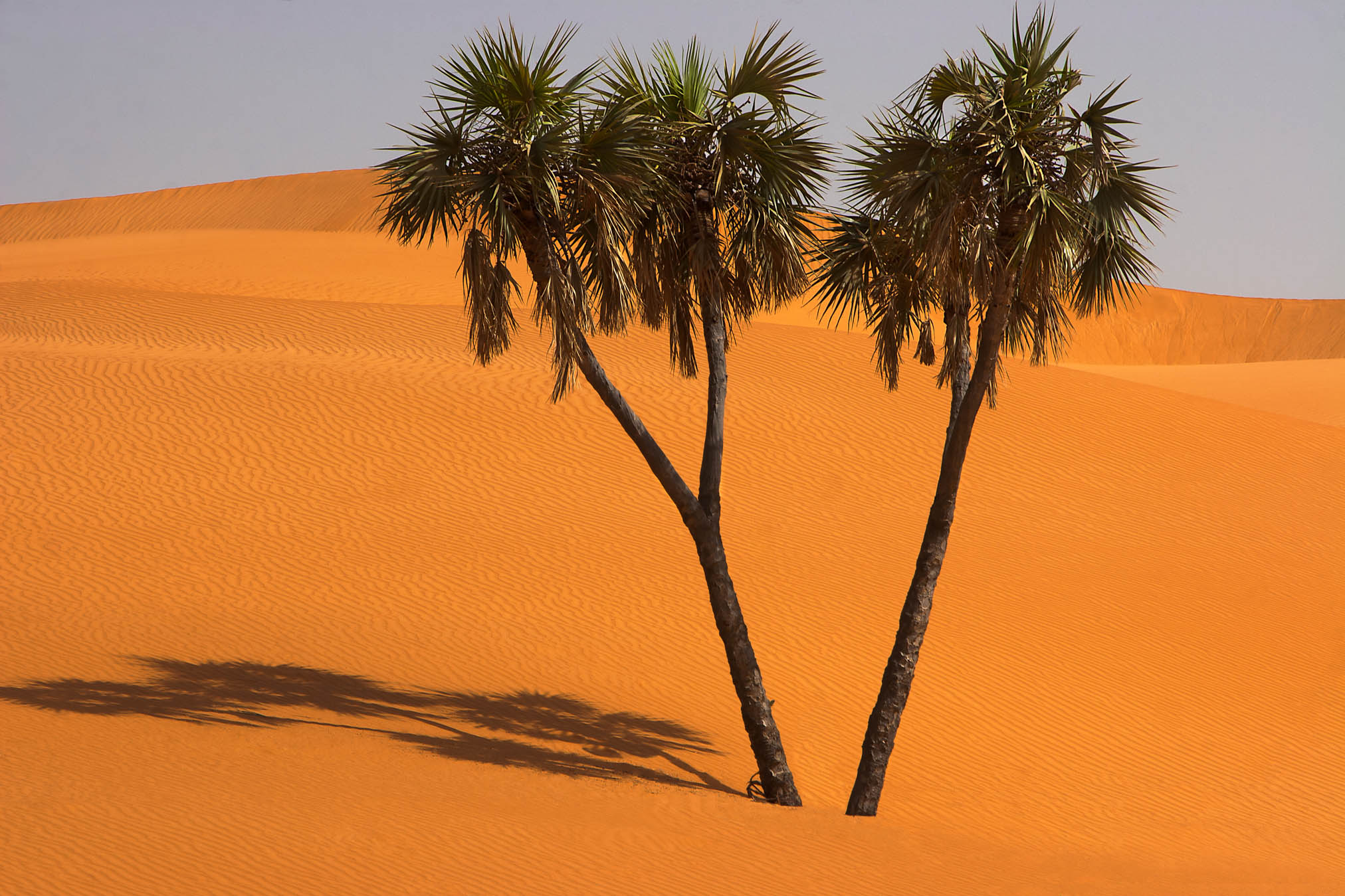
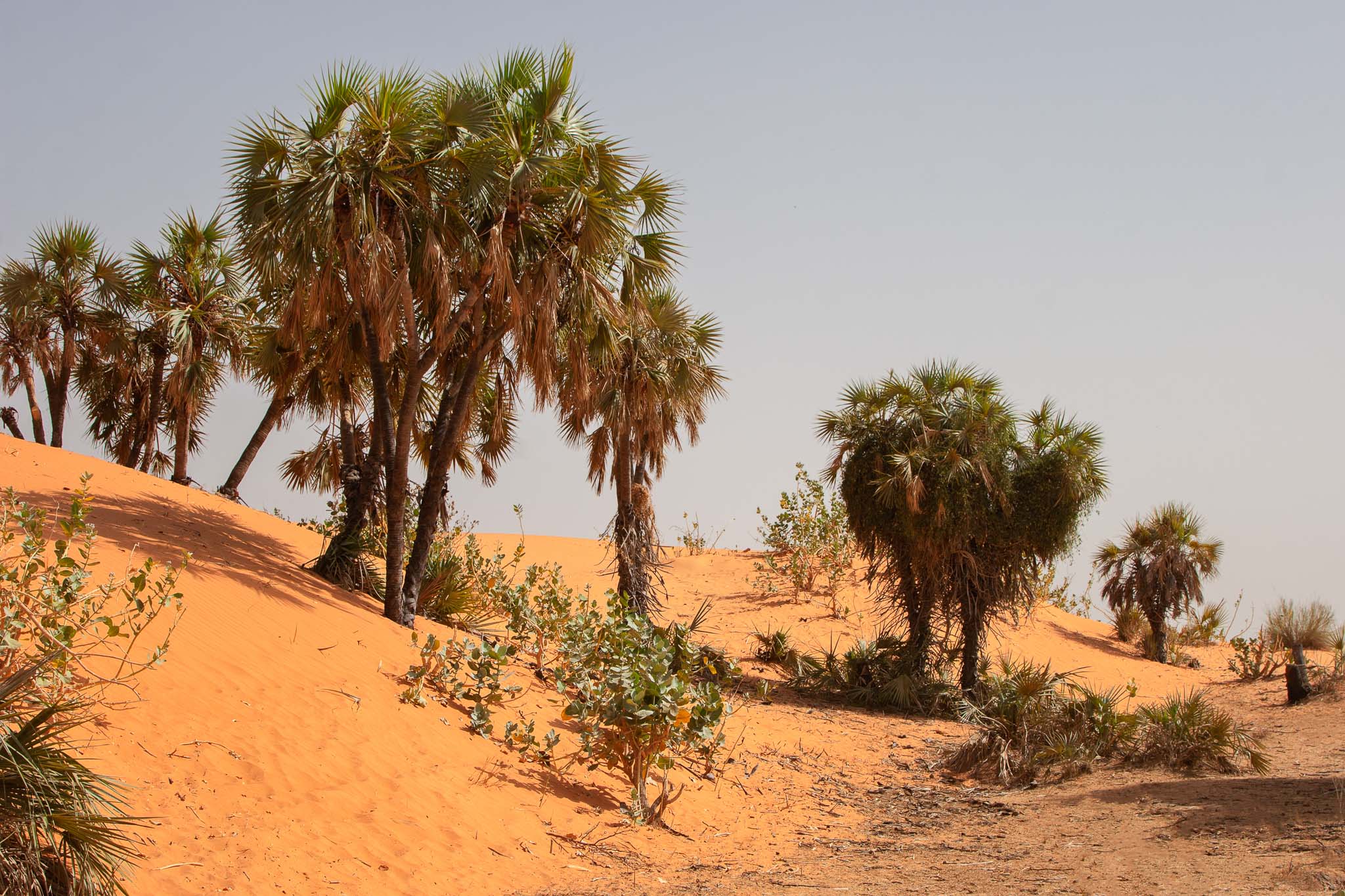
Nestled in the shifting sands of Northeastern Nigeria, the Bulatura Oases Sector of Chad Basin National Park is one of the country’s most extraordinary and least-known landscapes.
In April 2009, thanks to the generous support of His Royal Highness, Alhaji Abubakar Umar Suleiman (Mai Bade), Emir of Bade, I travelled deep into the remote reaches of the Sahel. His hospitality and assistance enabled me to access remote communities and document their daily life.
My route traced a winding path through Gashua, Kachallari, Yusufari, the Tuli-Tulo, Laridi, and Kachimaram Oases, Burumwadi and Tulo-Tulo Kulbuwa Oases, then on to Jarari, Jajari, Fatimeri, Kuriwakko Dunes, Maimalari Dunes, Gu Malanti, and Mainari.
The rhythm of the land shapes life here. The people—farmers and livestock keepers—draw sustenance from valleys rich with potash, a mineral that fuels local trade at the Gashua Potash Market. The region is a tapestry of ethnic diversity: Kanuri, Fulani, Hausa, Bade, Shuwa, Marghi, and Manga communities all call this landscape home.
Somewhere in the desert stretches between Fatimeri, Kuriwakko Dunes, and Maimalari Dunes, I came across a solitary straw hut—built in the style of the N’djadjaye nomads, and notably, without a roof. Curious, we asked why there was no roof. The answer was simple and matter-of-fact: “It rains twice a year.” The harsh environment shapes the shelter.
Despite language barriers, the gestures and laughter of those I met made me feel welcome – reminding me that hospitality often needs no translation. The heat of April was unrelenting, yet the resilience and generosity of those I met left a lasting impression.
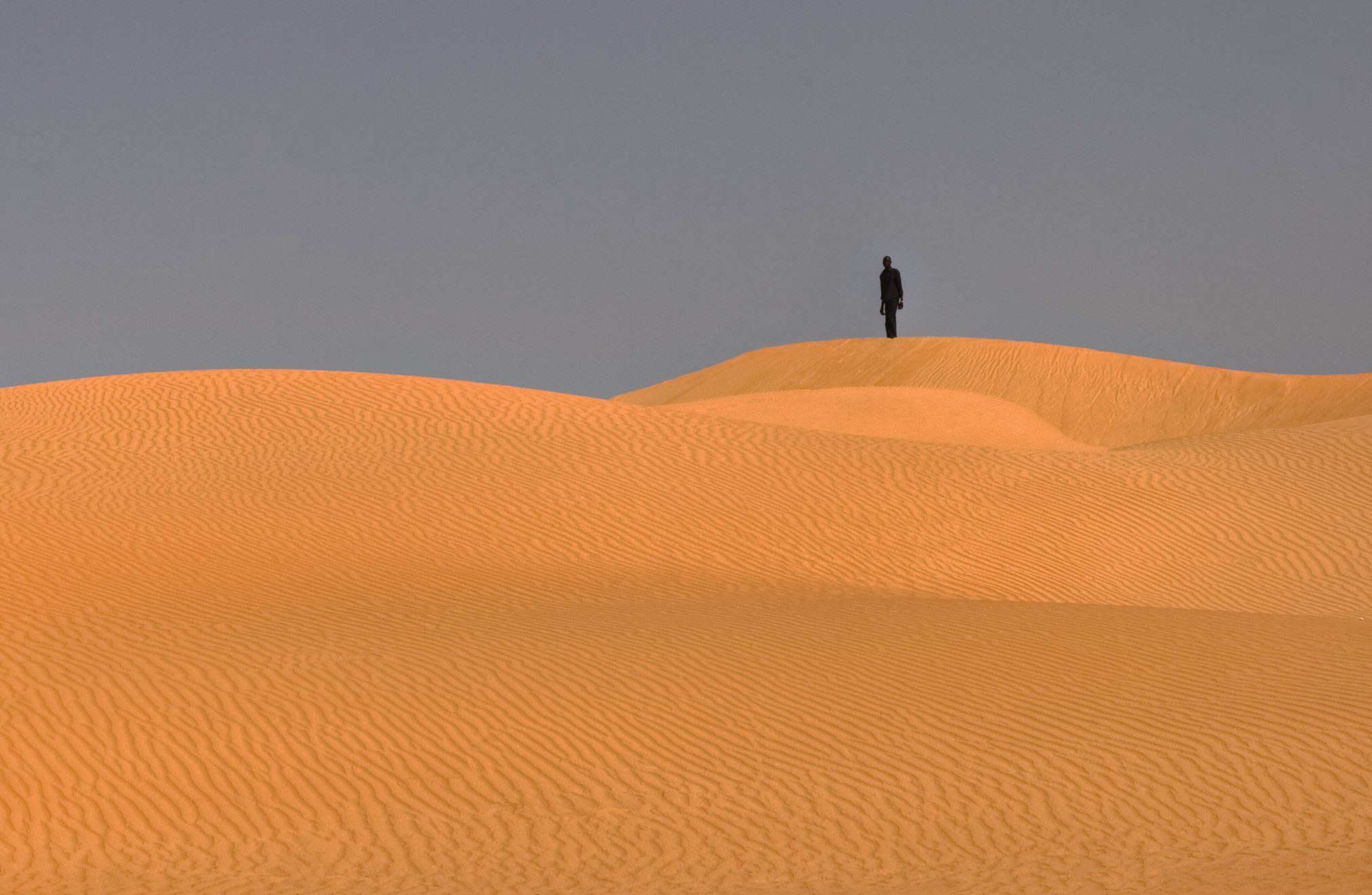
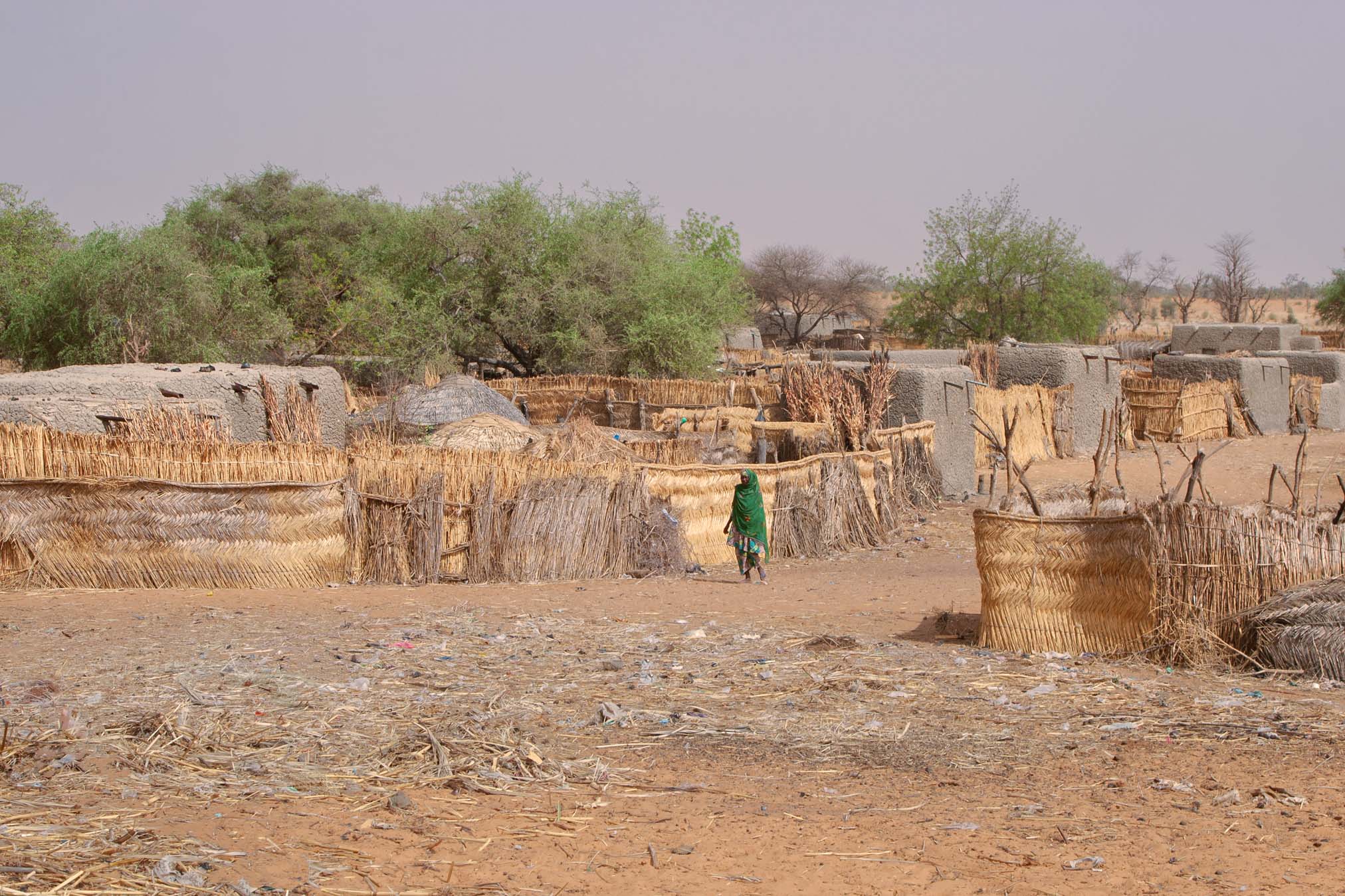
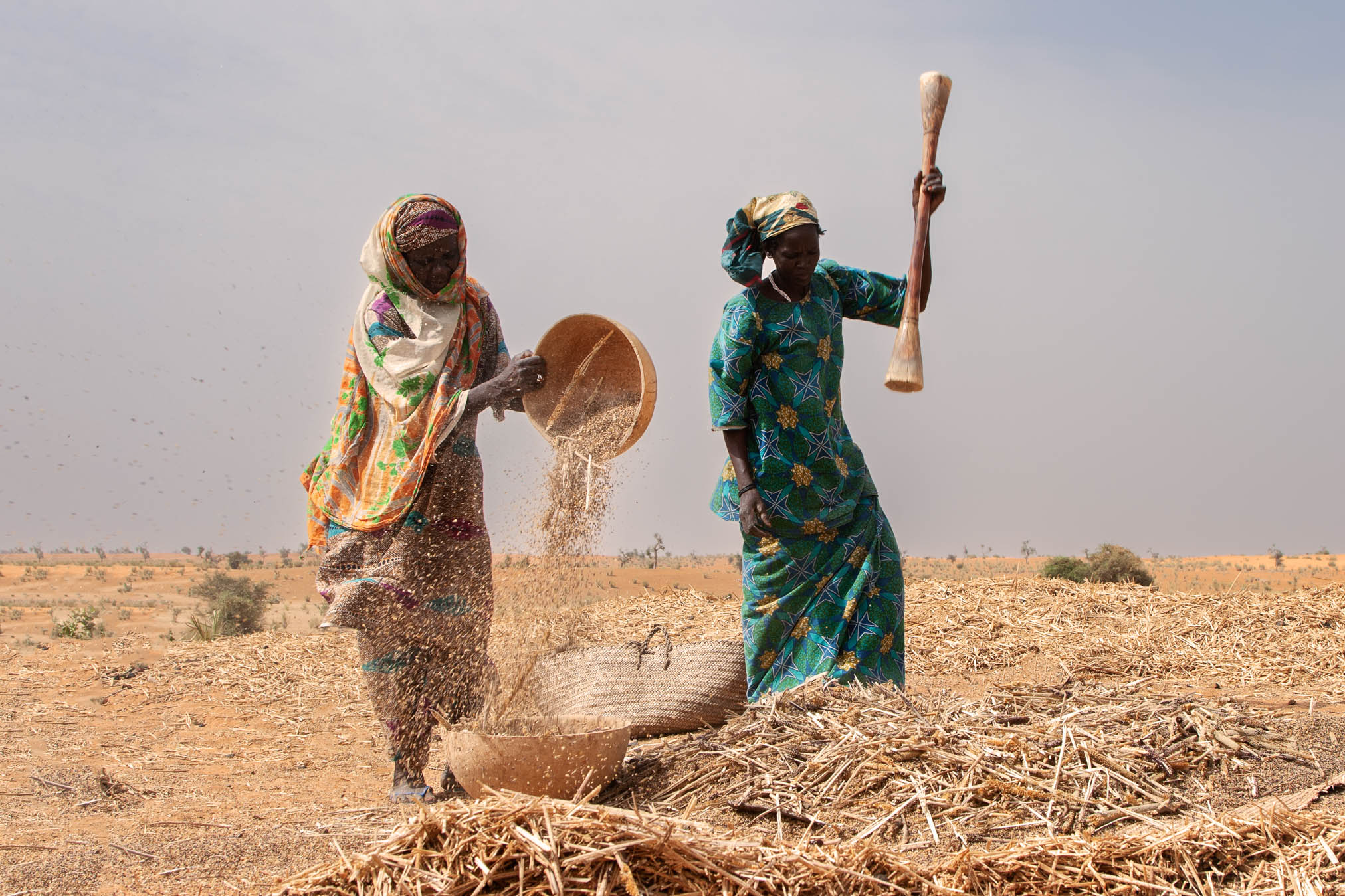
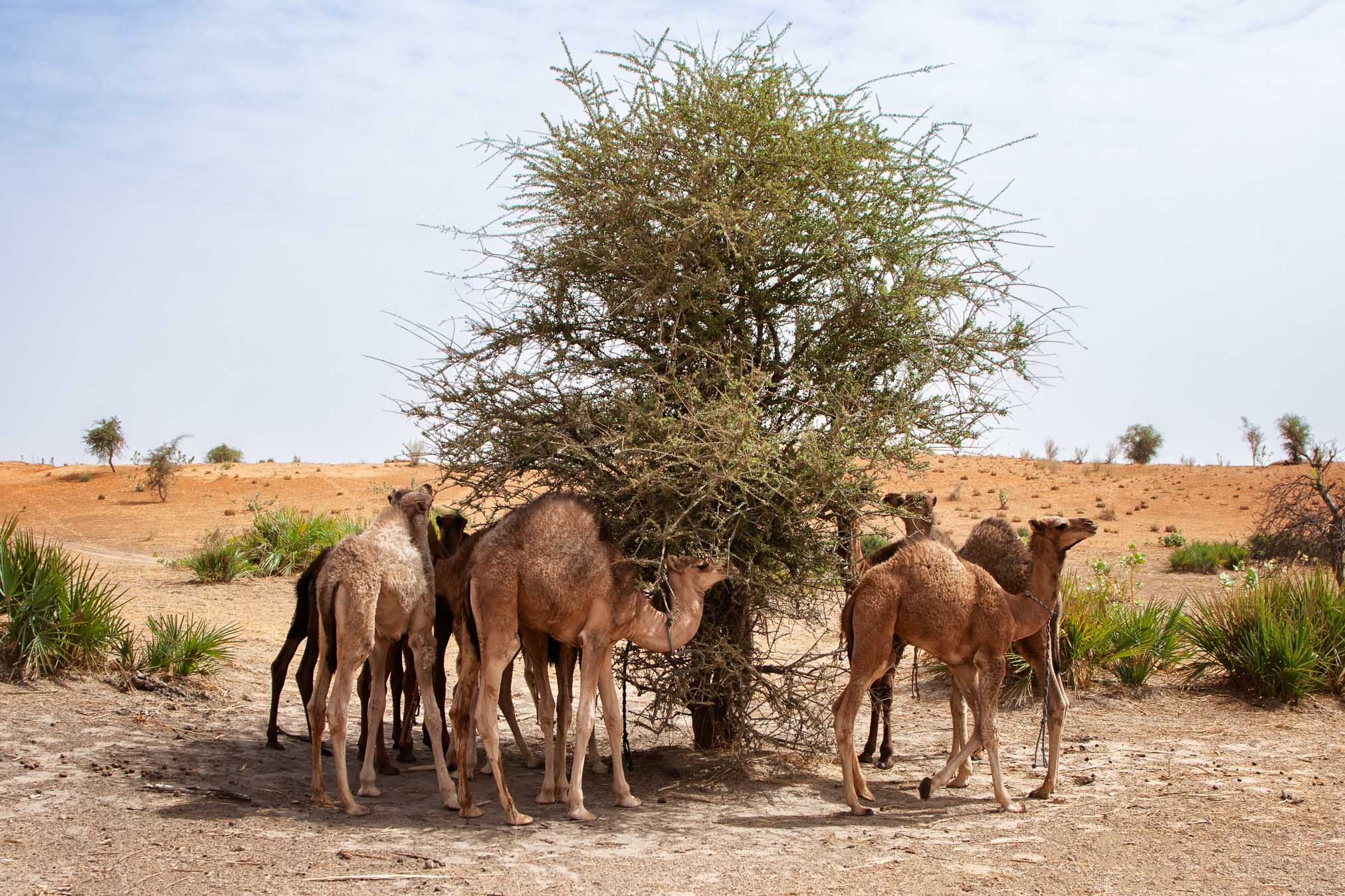
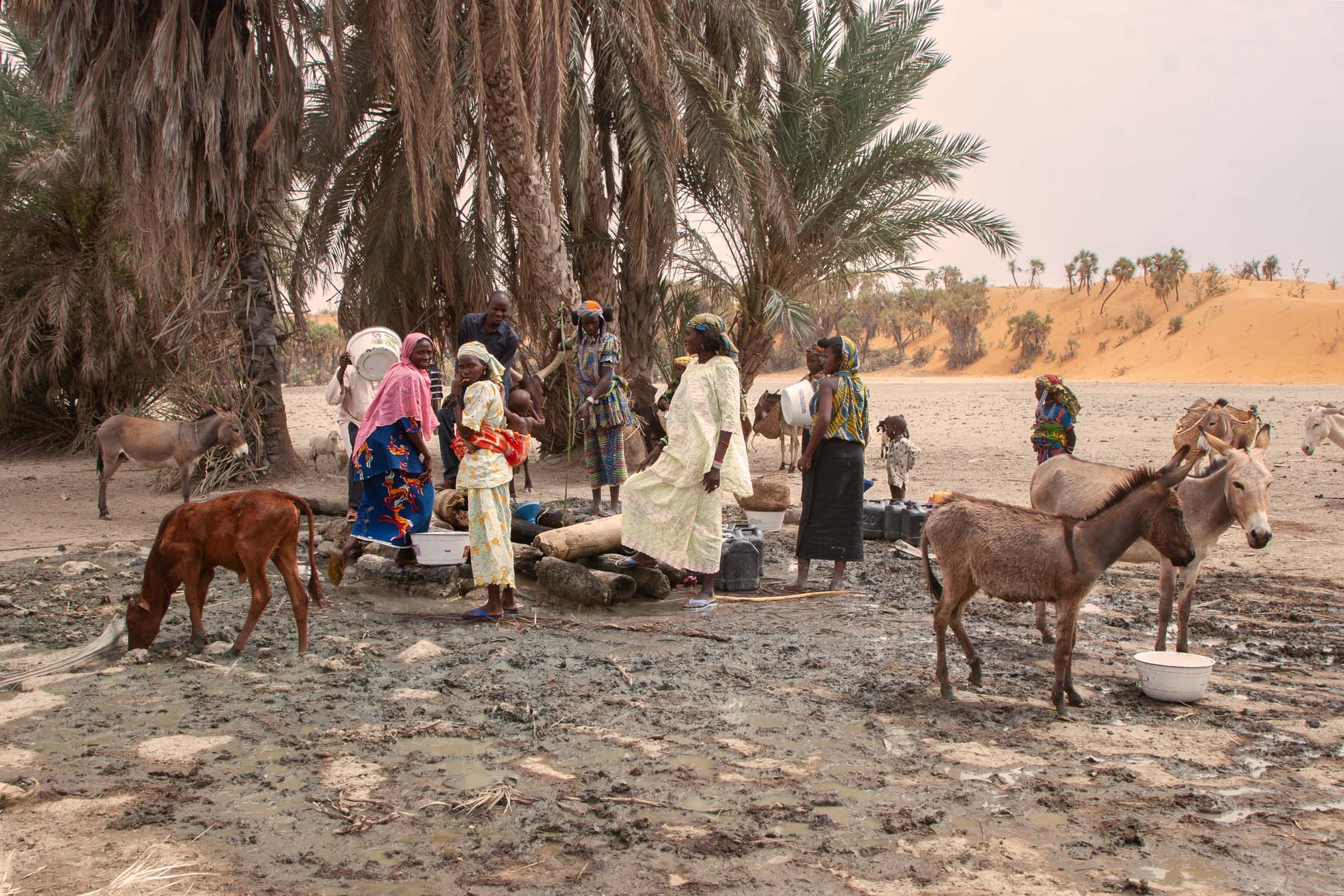
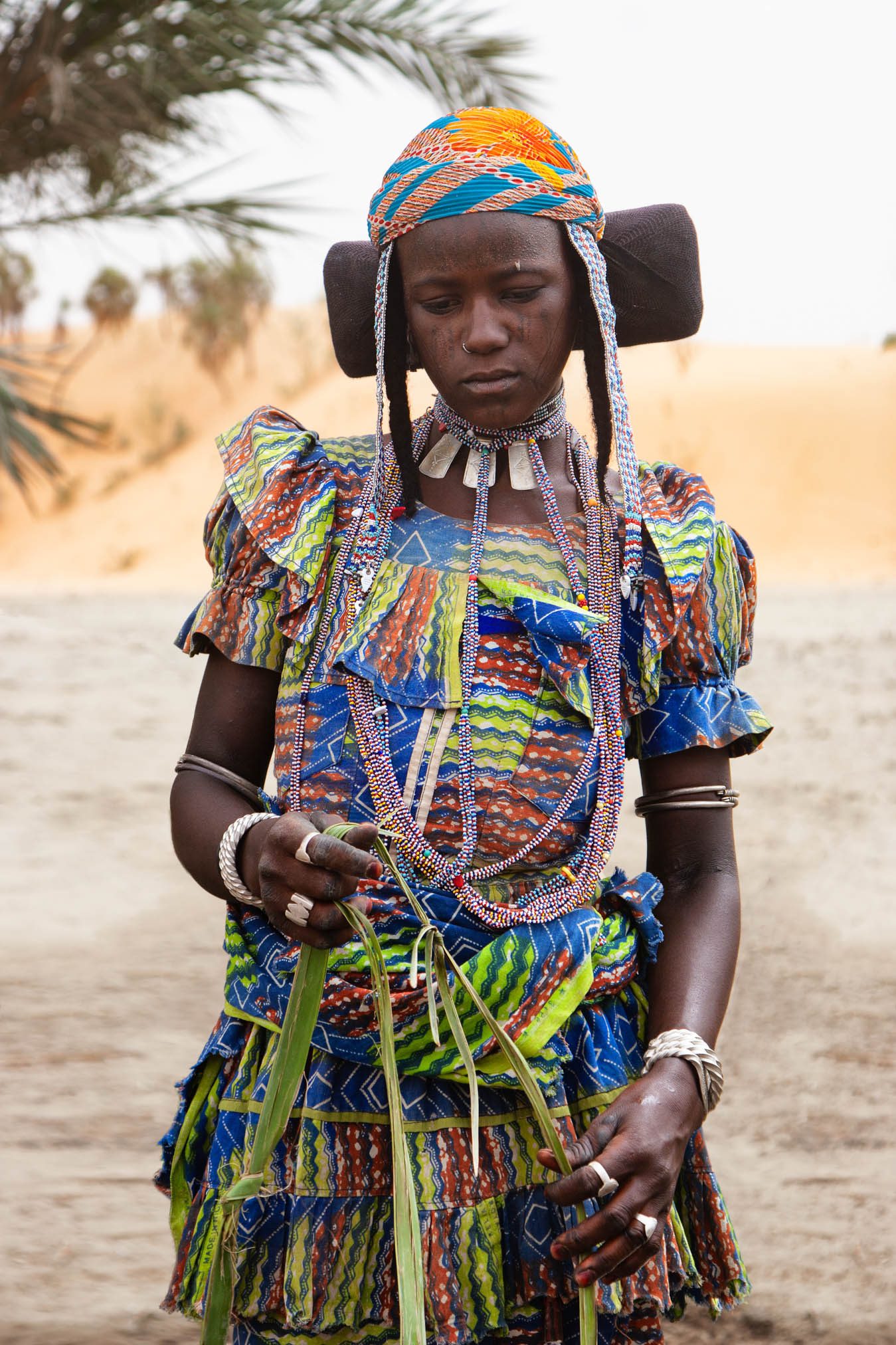
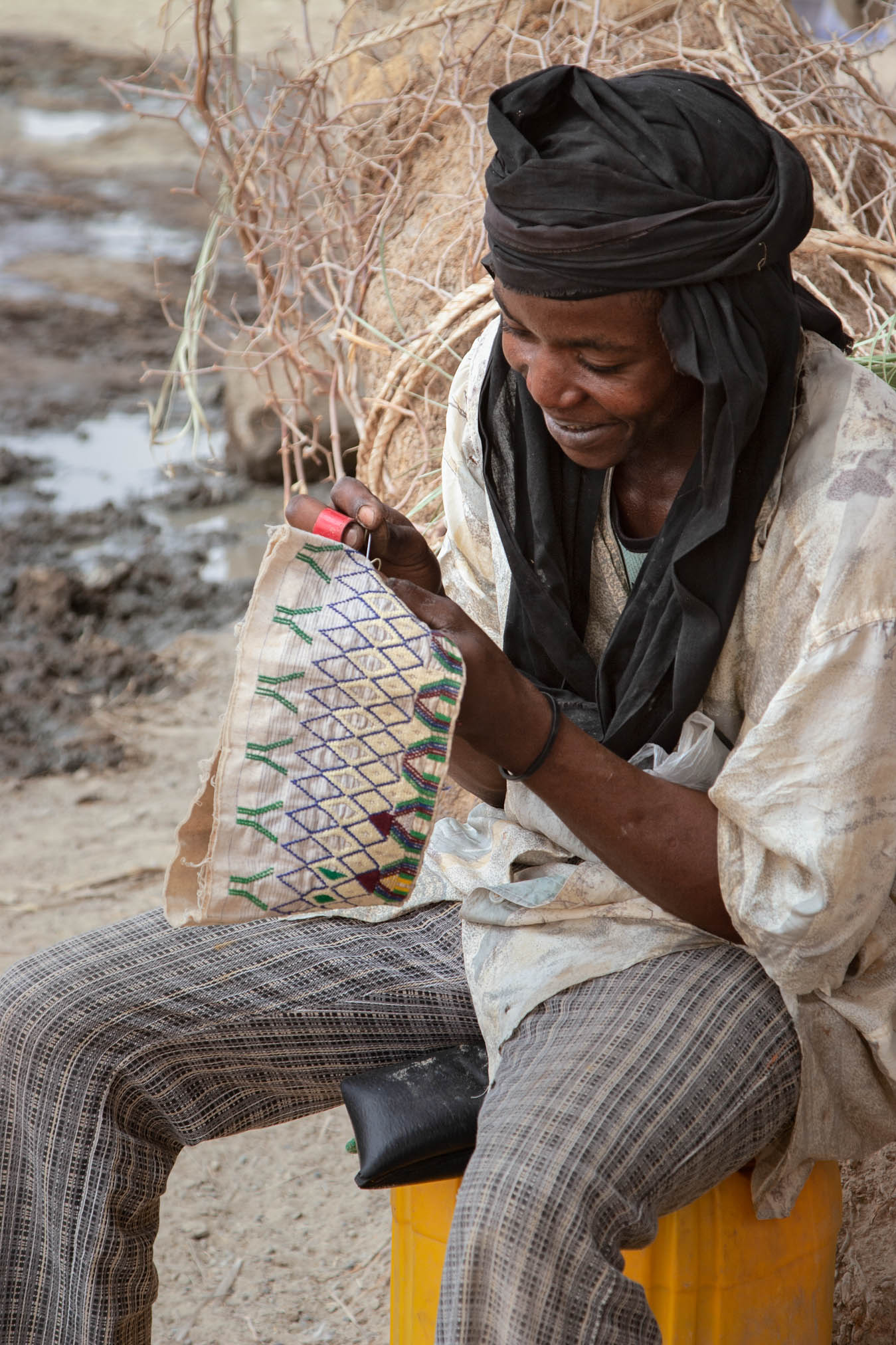
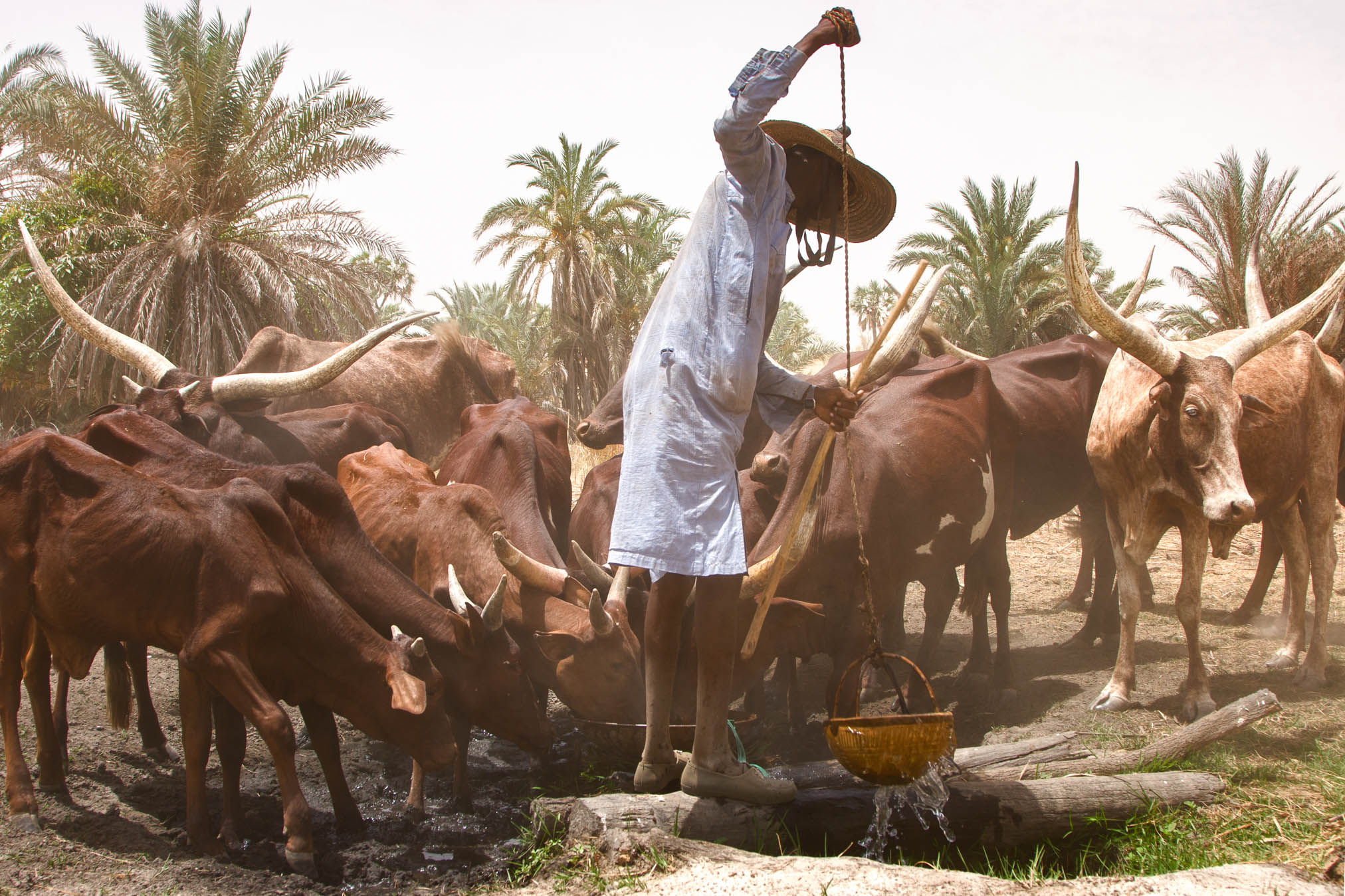
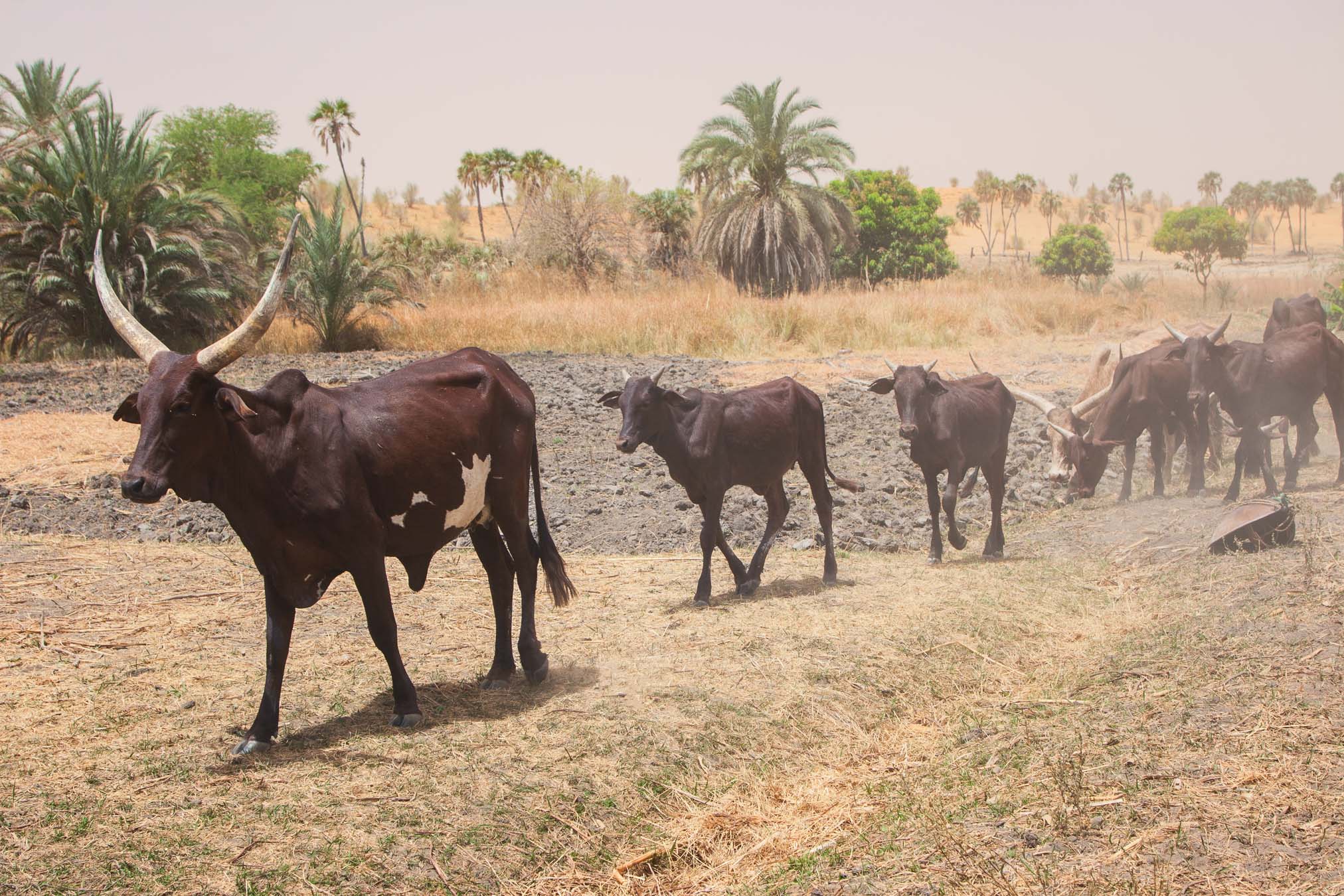
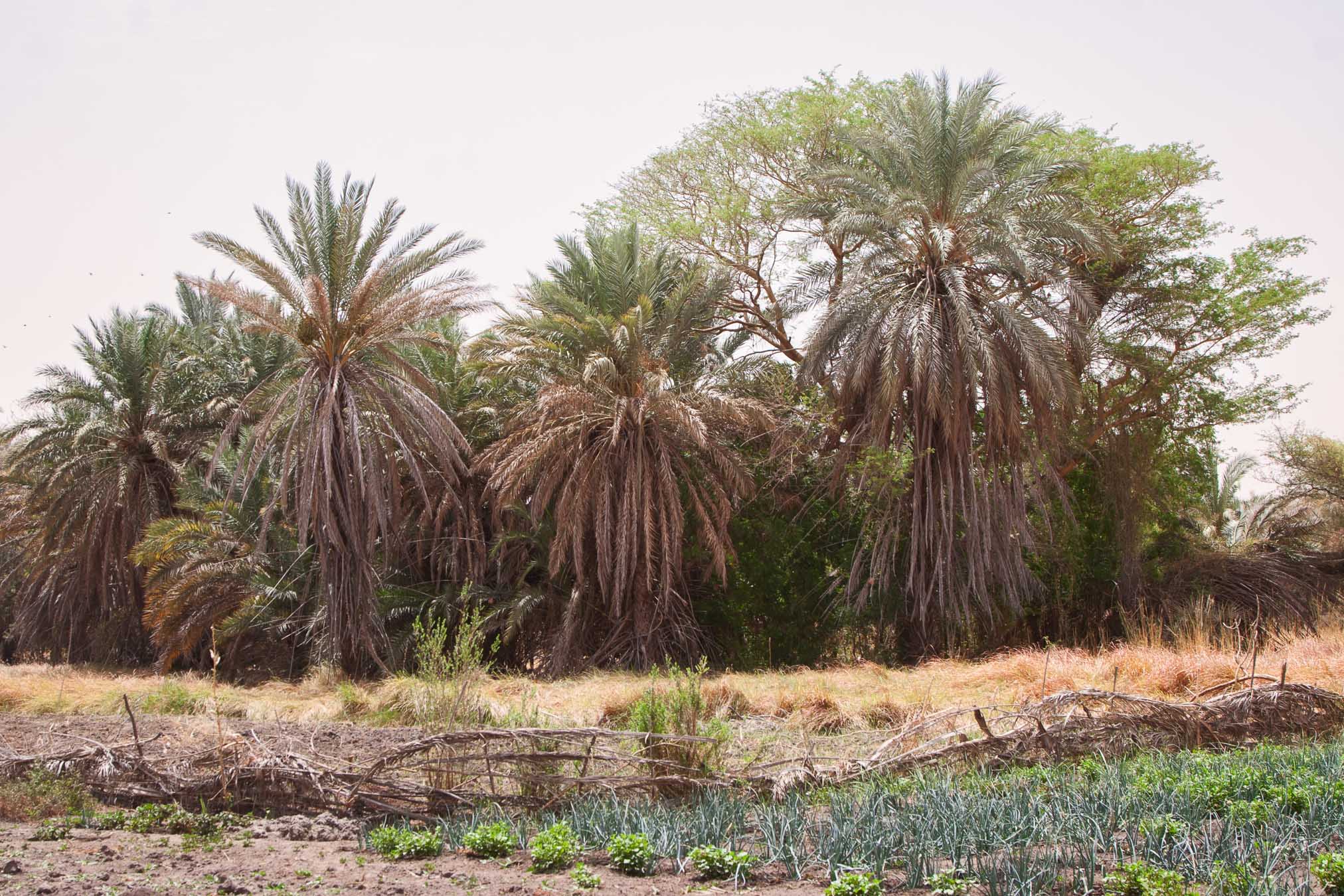
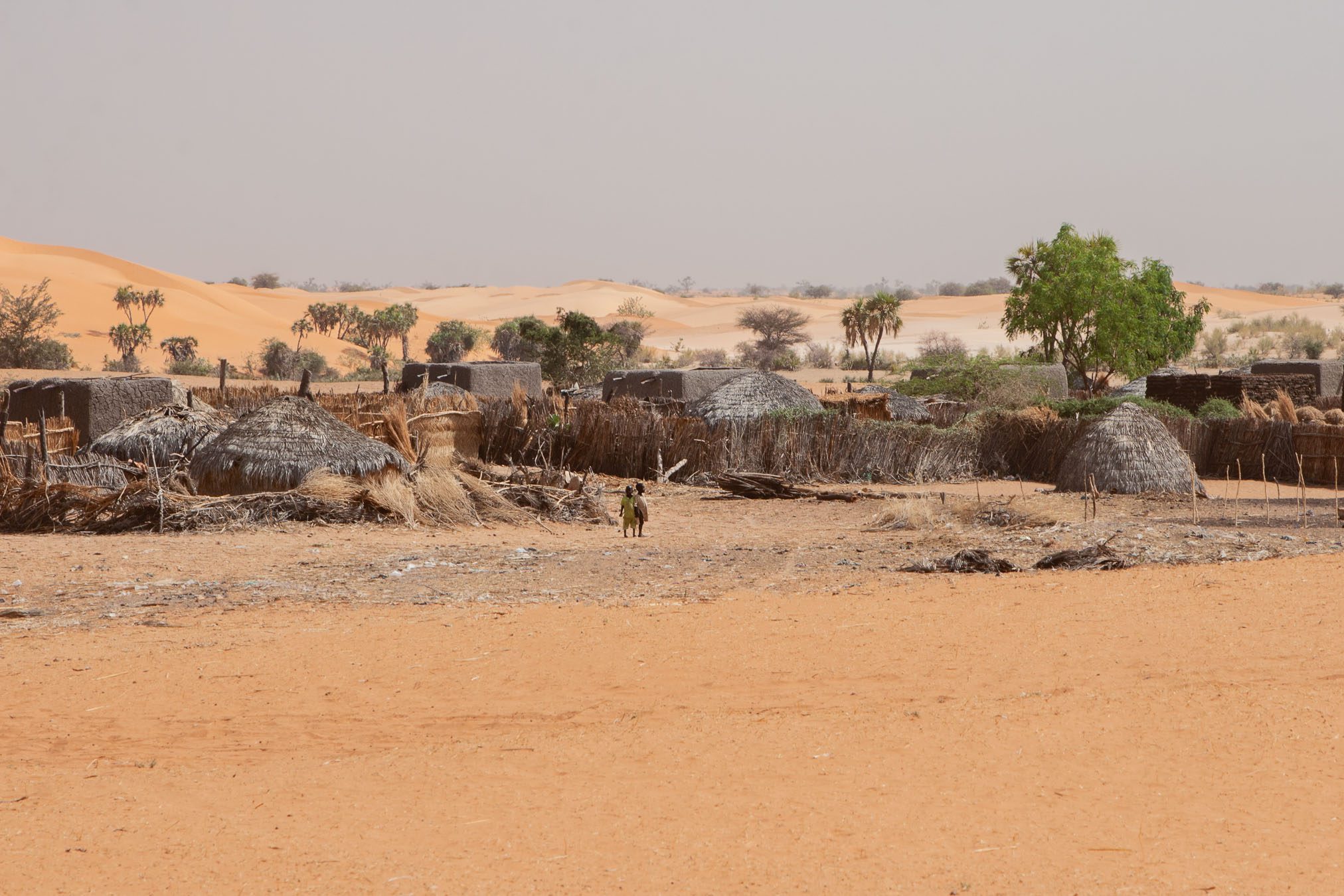
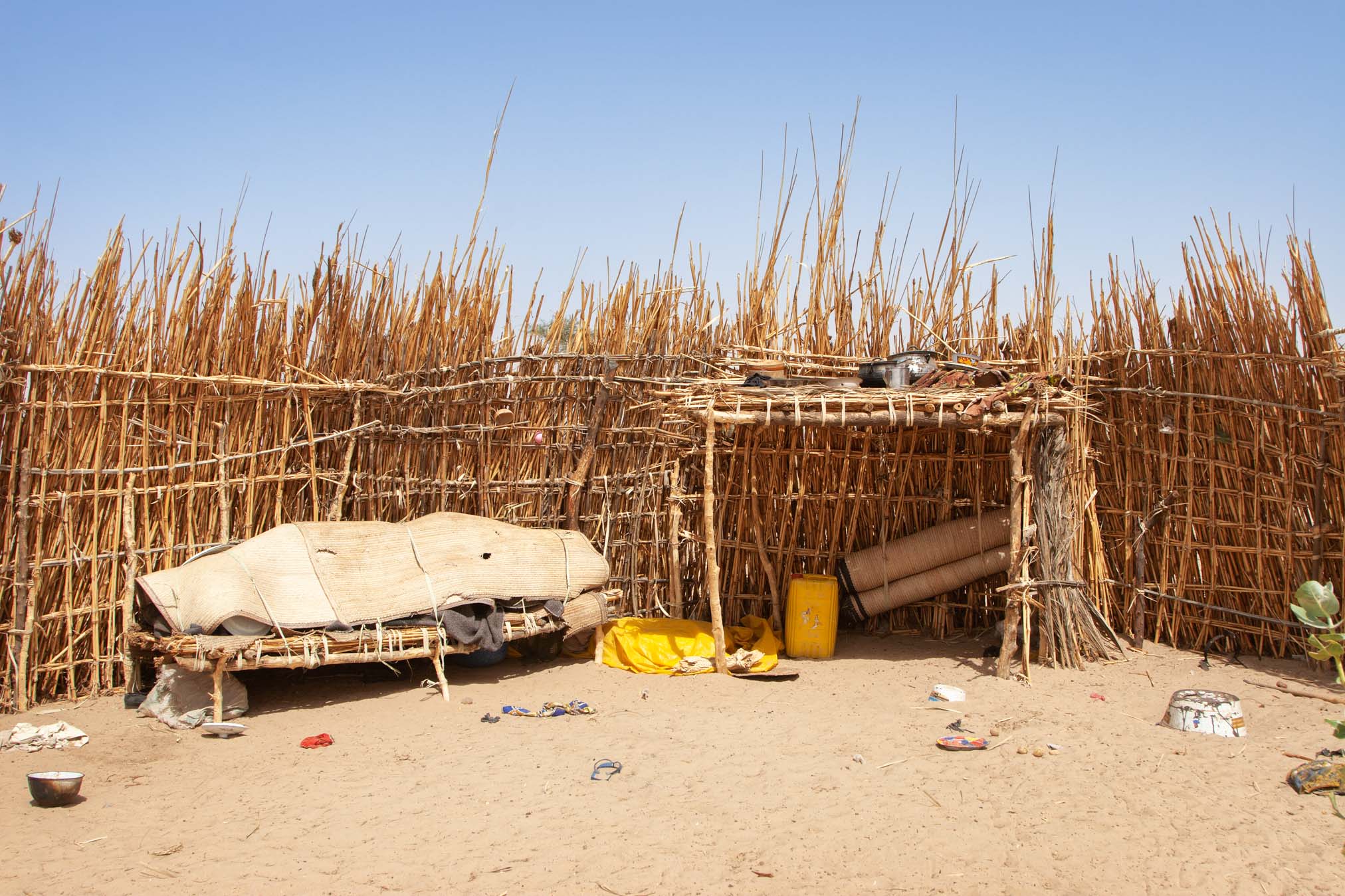
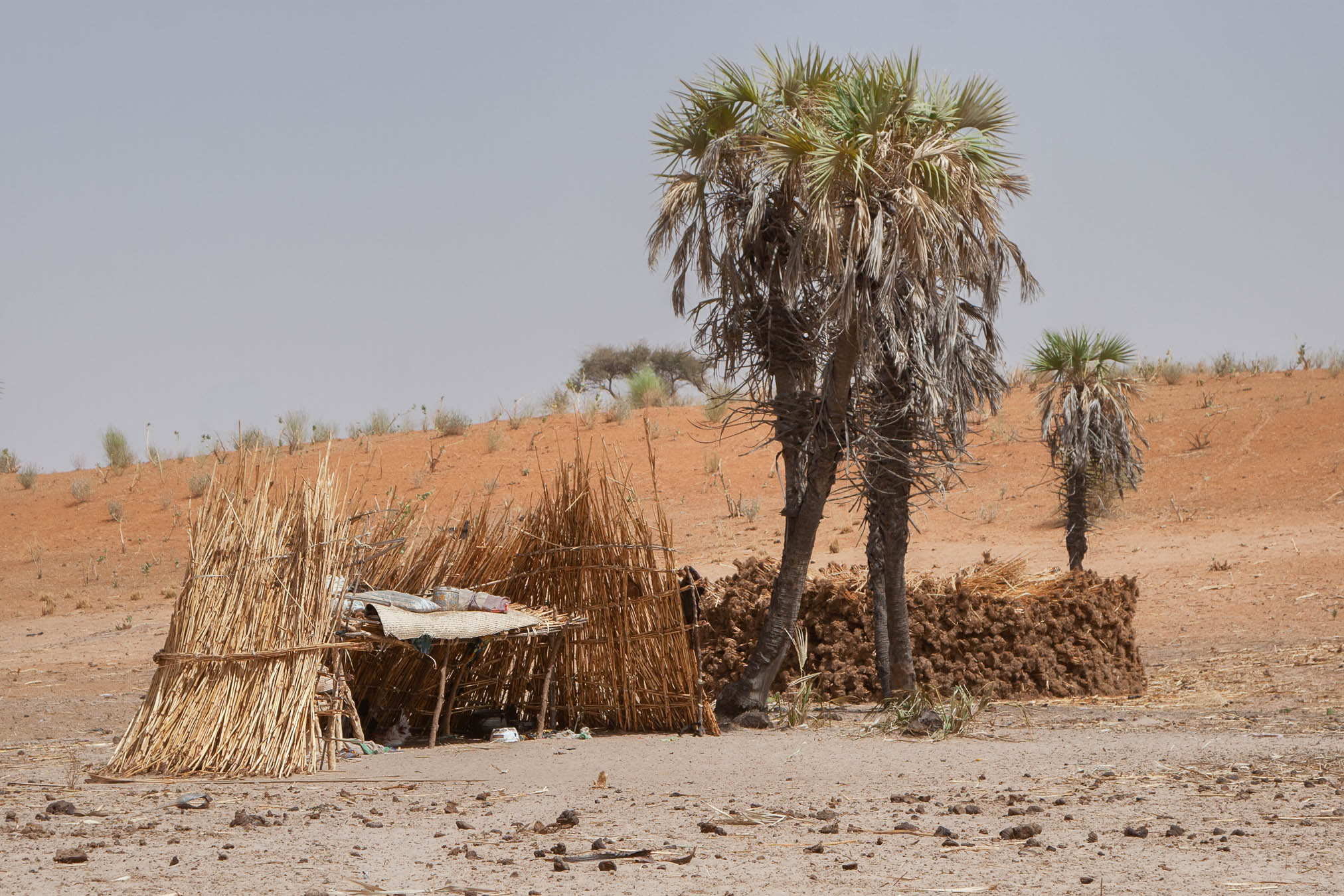
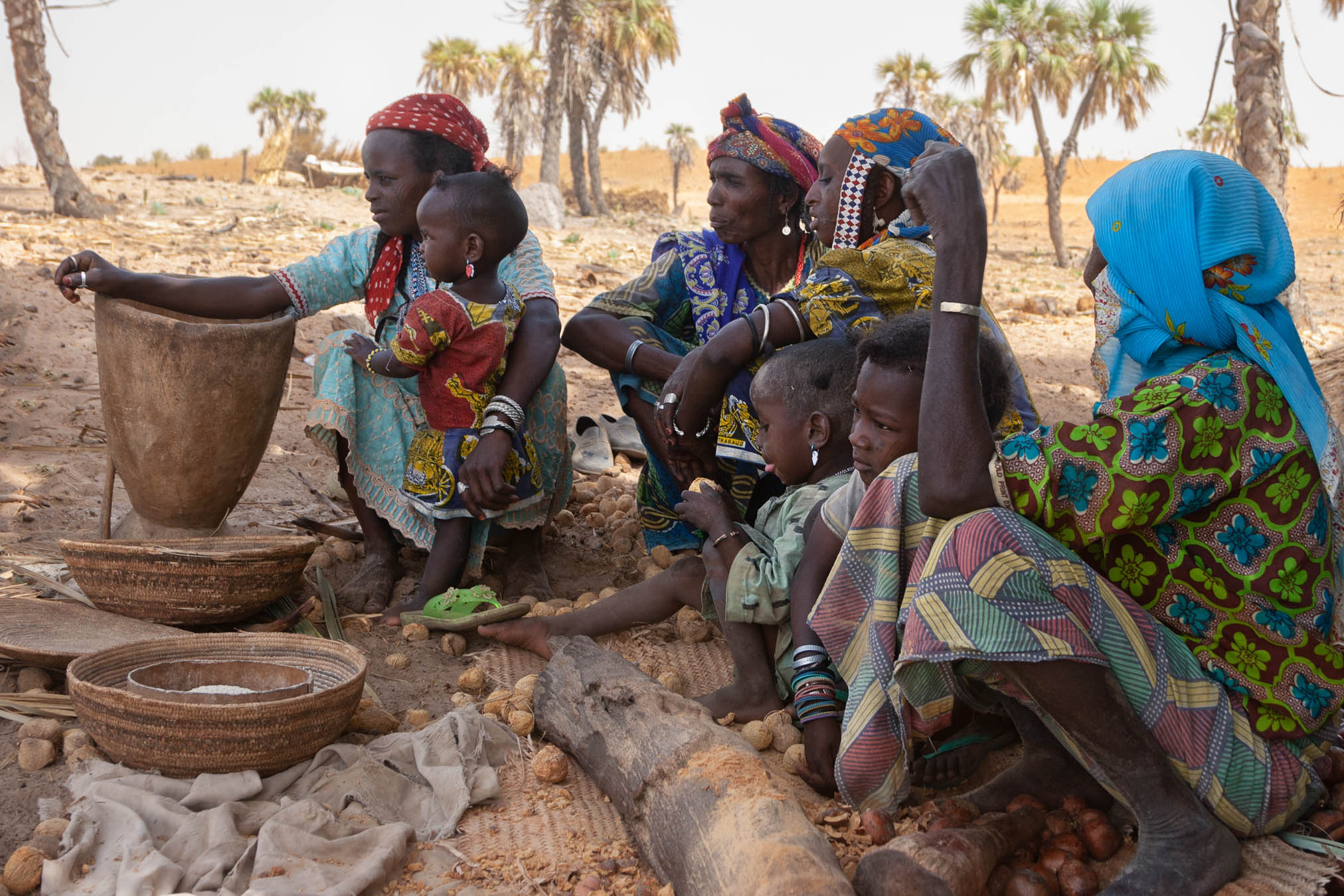
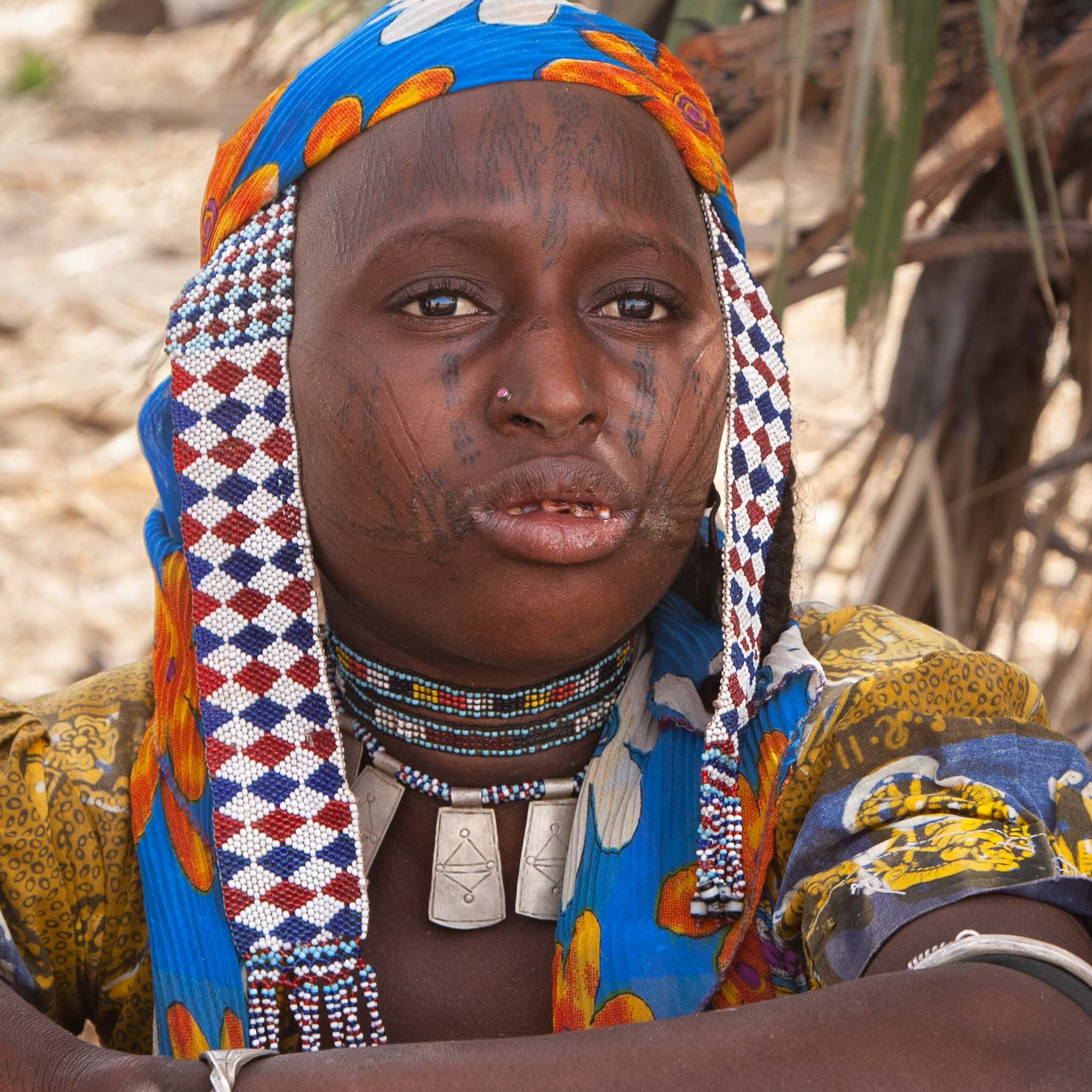
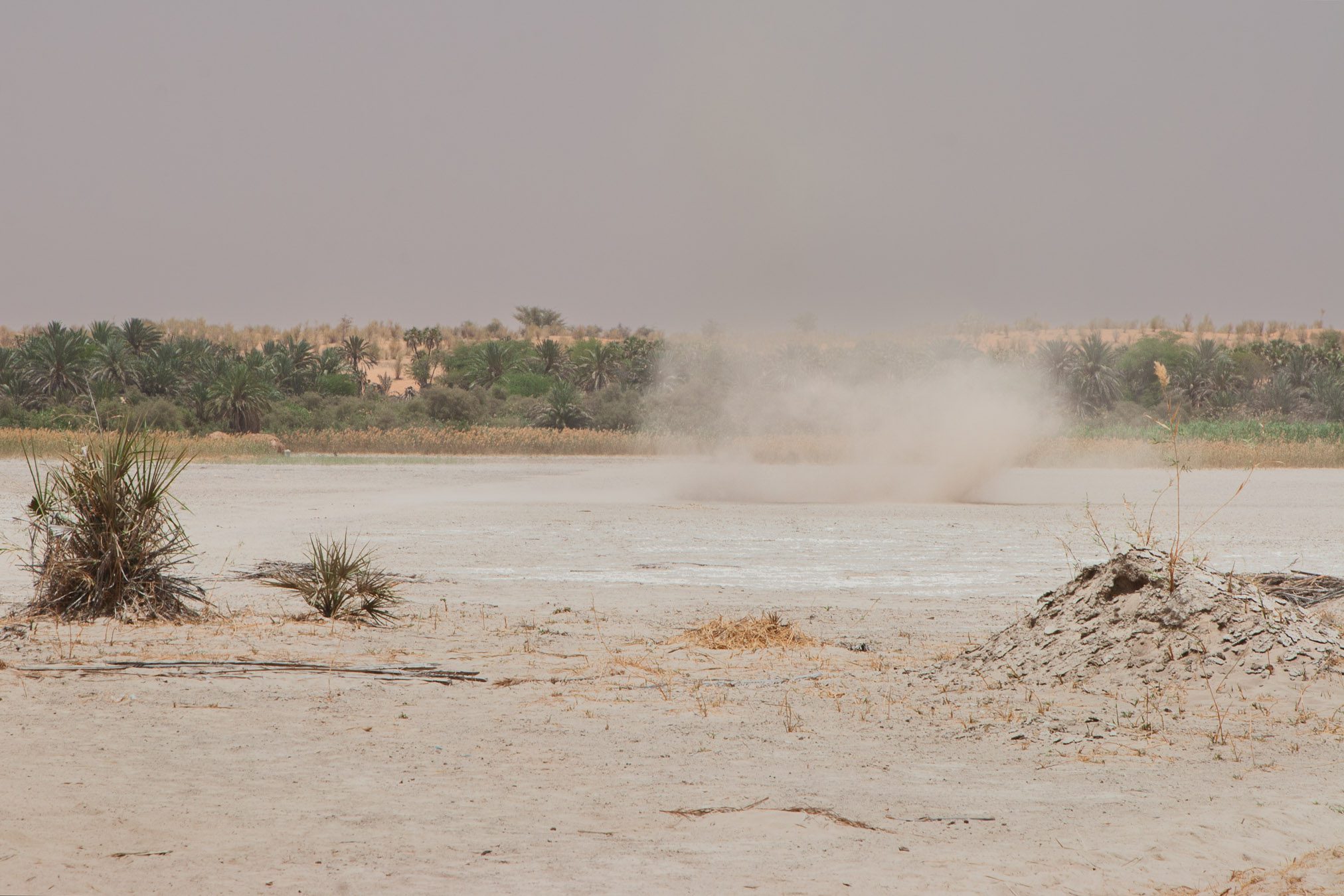
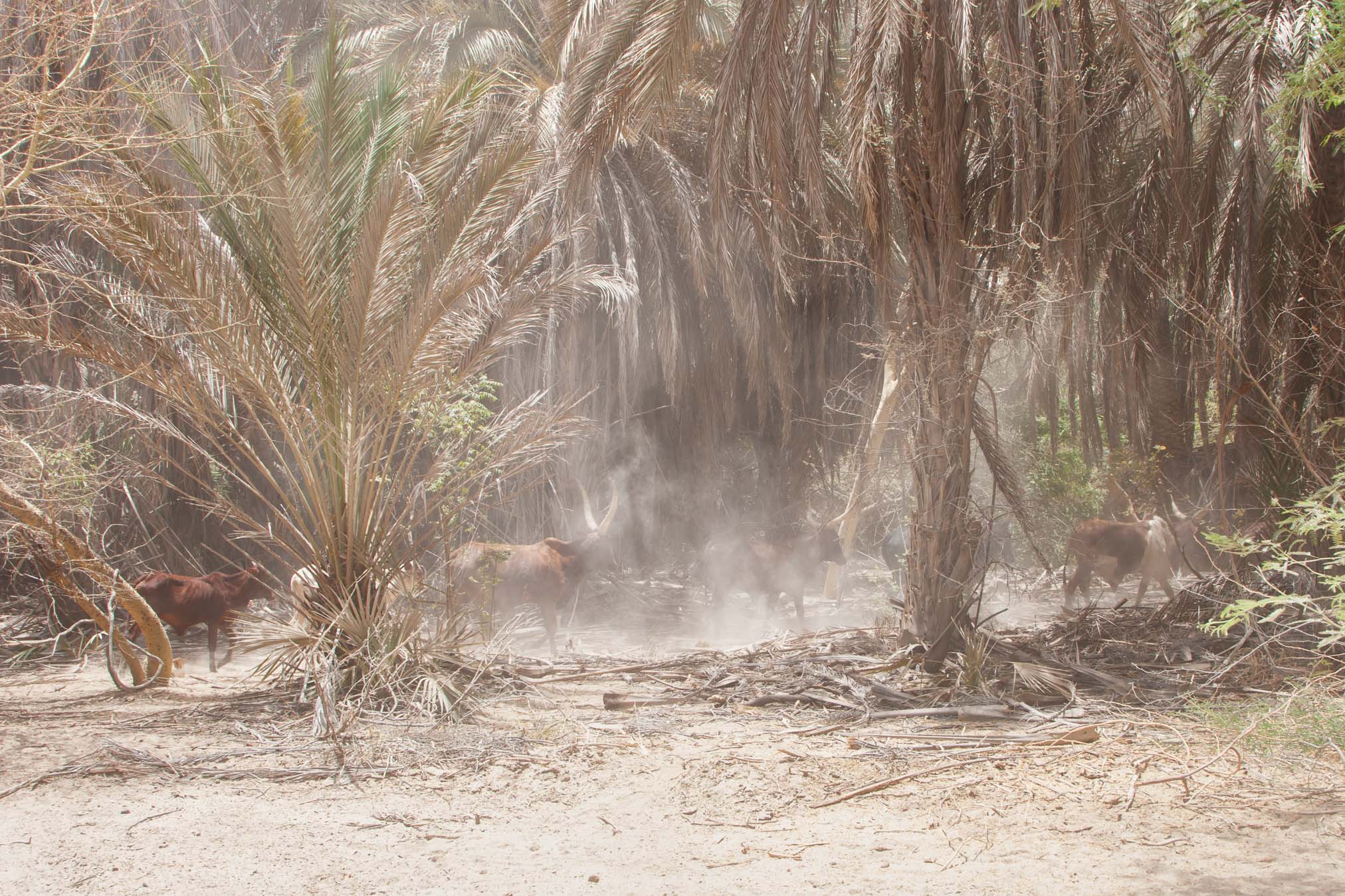
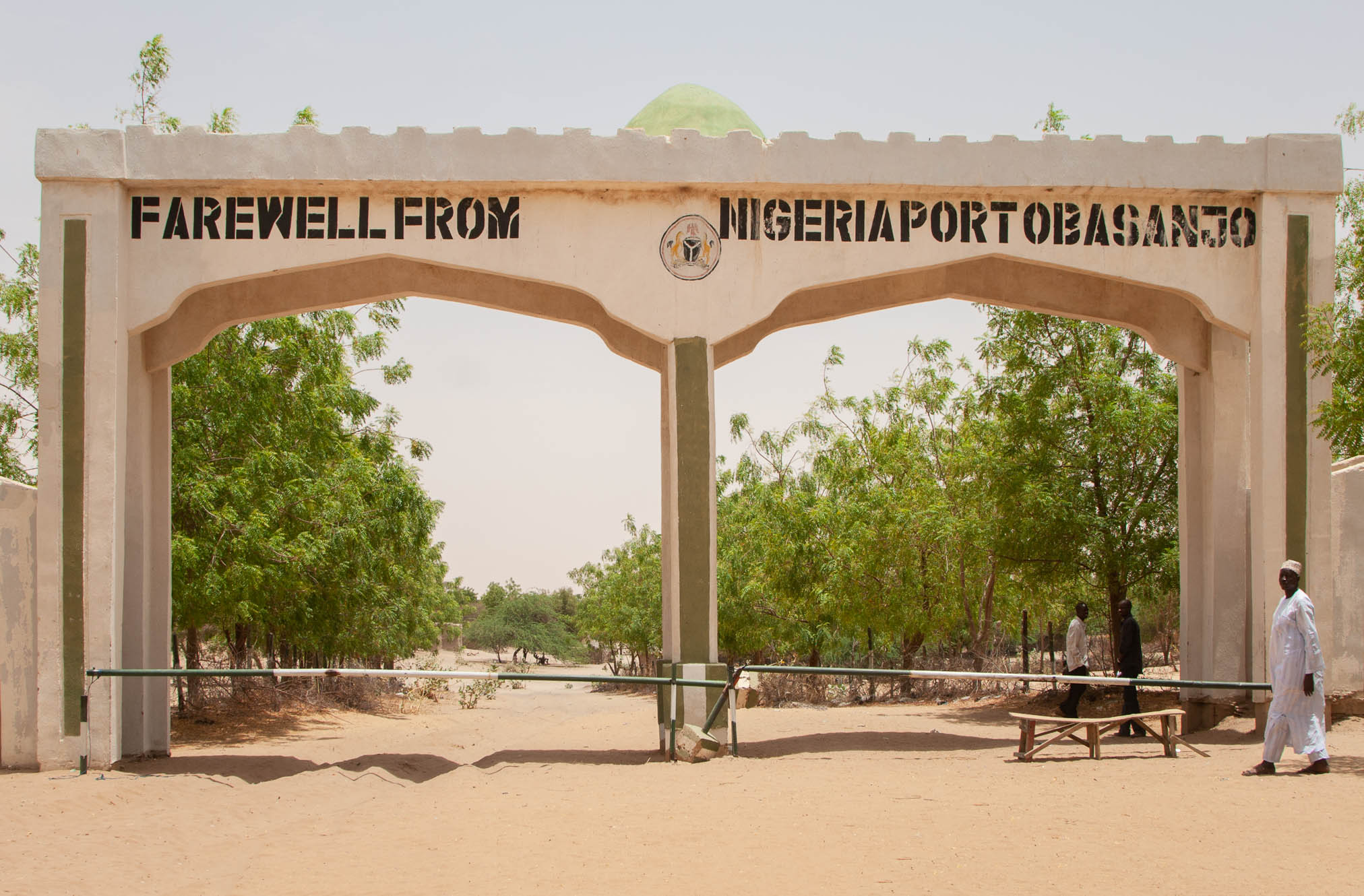
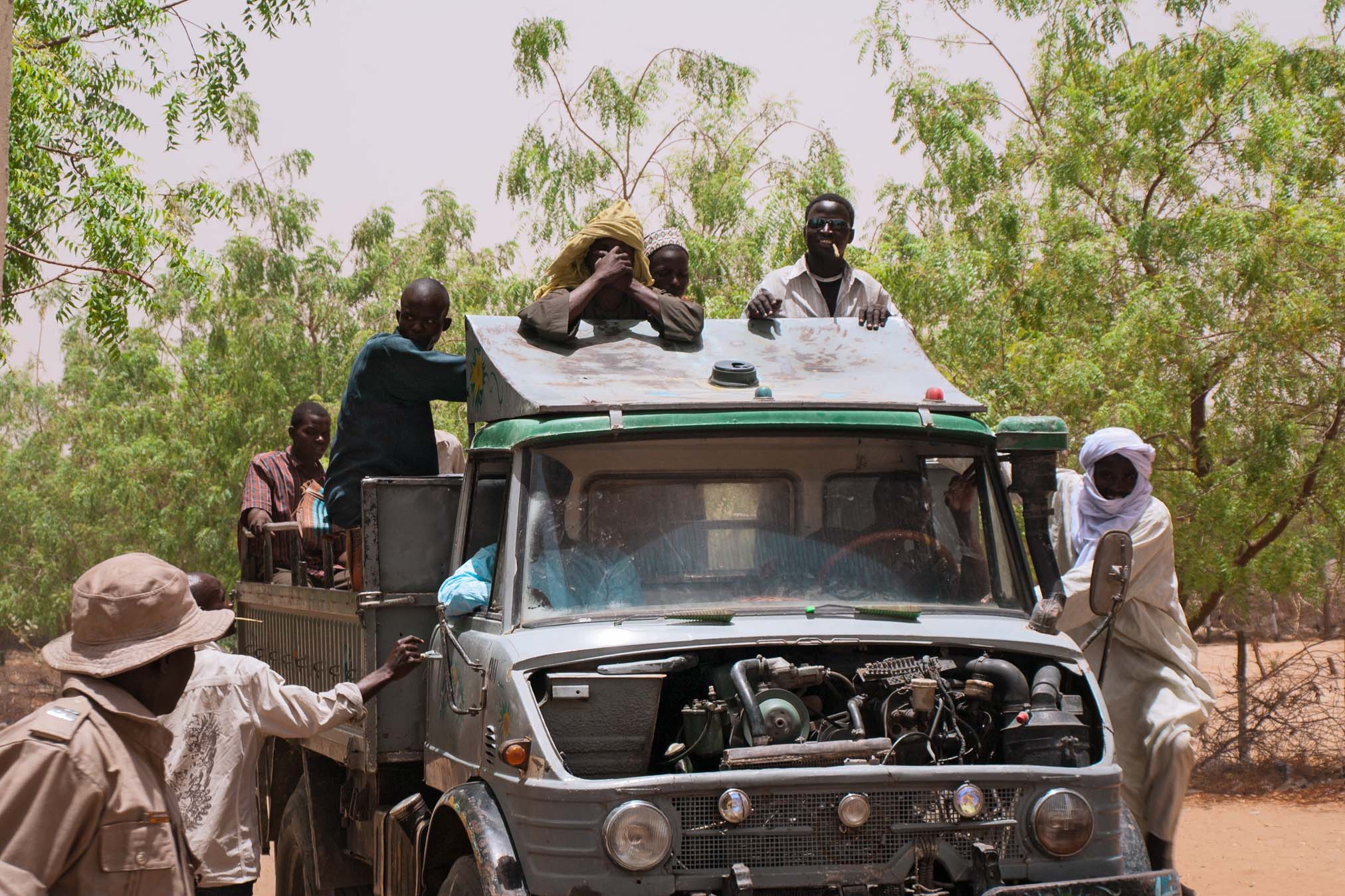
Although my time in the Bulatura Oases Sector of Chad Basin National Park was limited to a single day, it was an encounter towards the end that left the deepest impression on me.
When Sand Covers Home: A Human Story from Bulatura
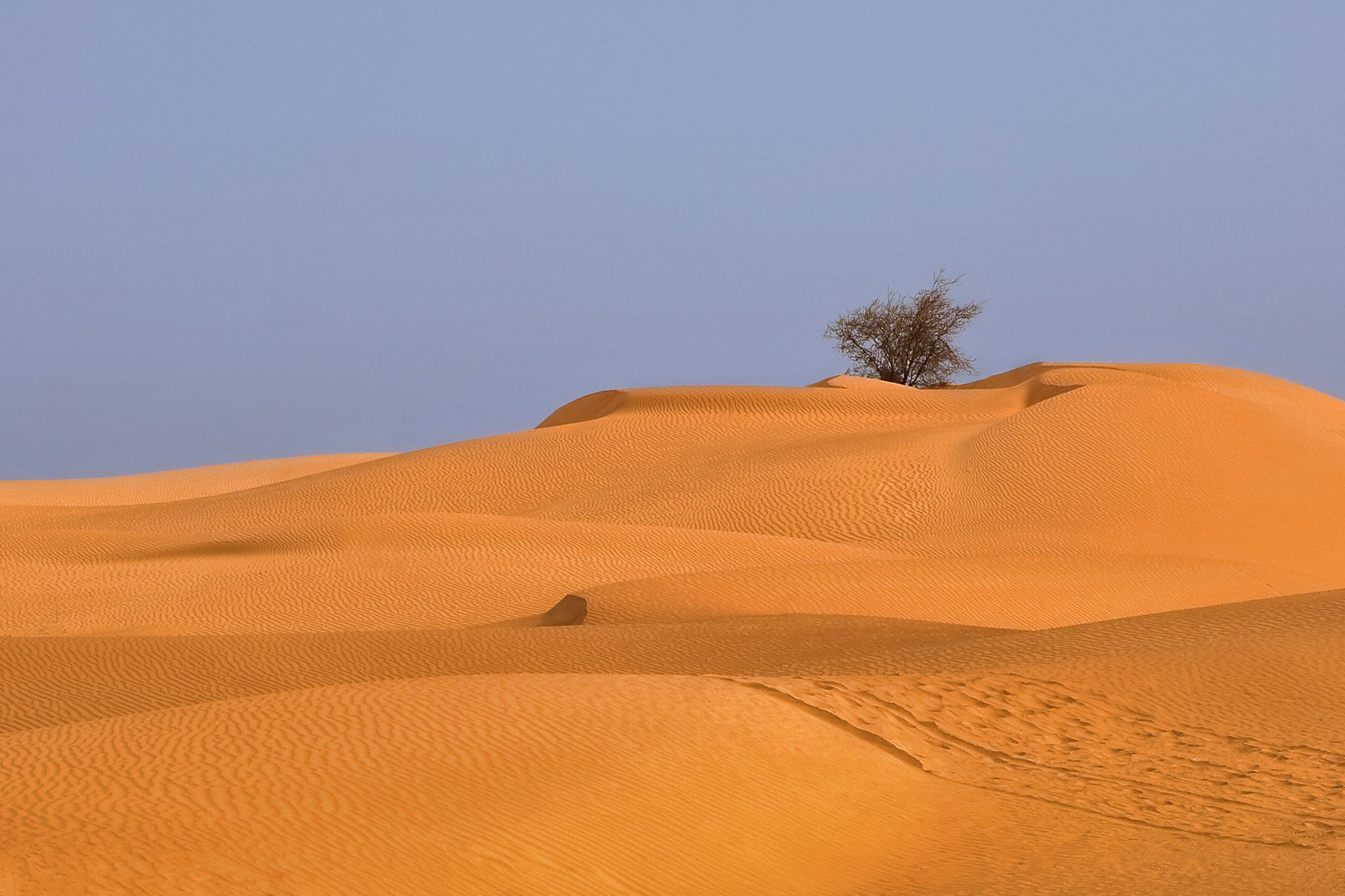
Towards the end of my journey through the Bulatura Oases, I witnessed an encounter that has stayed with me ever since. As we navigated the final stretches of the dunes, we met a group of villagers whose entire settlement had been swallowed by advancing sand. Their homes – once secure among the oases – were now buried beneath the dunes, leaving them uncertain about their future.
They approached us, asking for advice on where to rebuild their lives. I remember the quiet urgency in their voices, the weight of their question –Where should we go now? – hanging in the hot, dry air. We had no answer for them – only empathy, and a deep sense of helplessness.
This moment was a powerful reminder that the migration of sand dunes is not just an environmental issue, but a human one.
Recently, my translator from that journey visited me. She remembered the encounter clearly and shared what became of those villagers: “The wind covered the village until morning. There is nowhere to go, because this happens again and again.” Their words and experience are a stark reminder that displacement here is not a one-time event, but a recurring reality. The people of Bulatura face not only the loss of their homes, but the uncertainty and exhaustion of rebuilding.
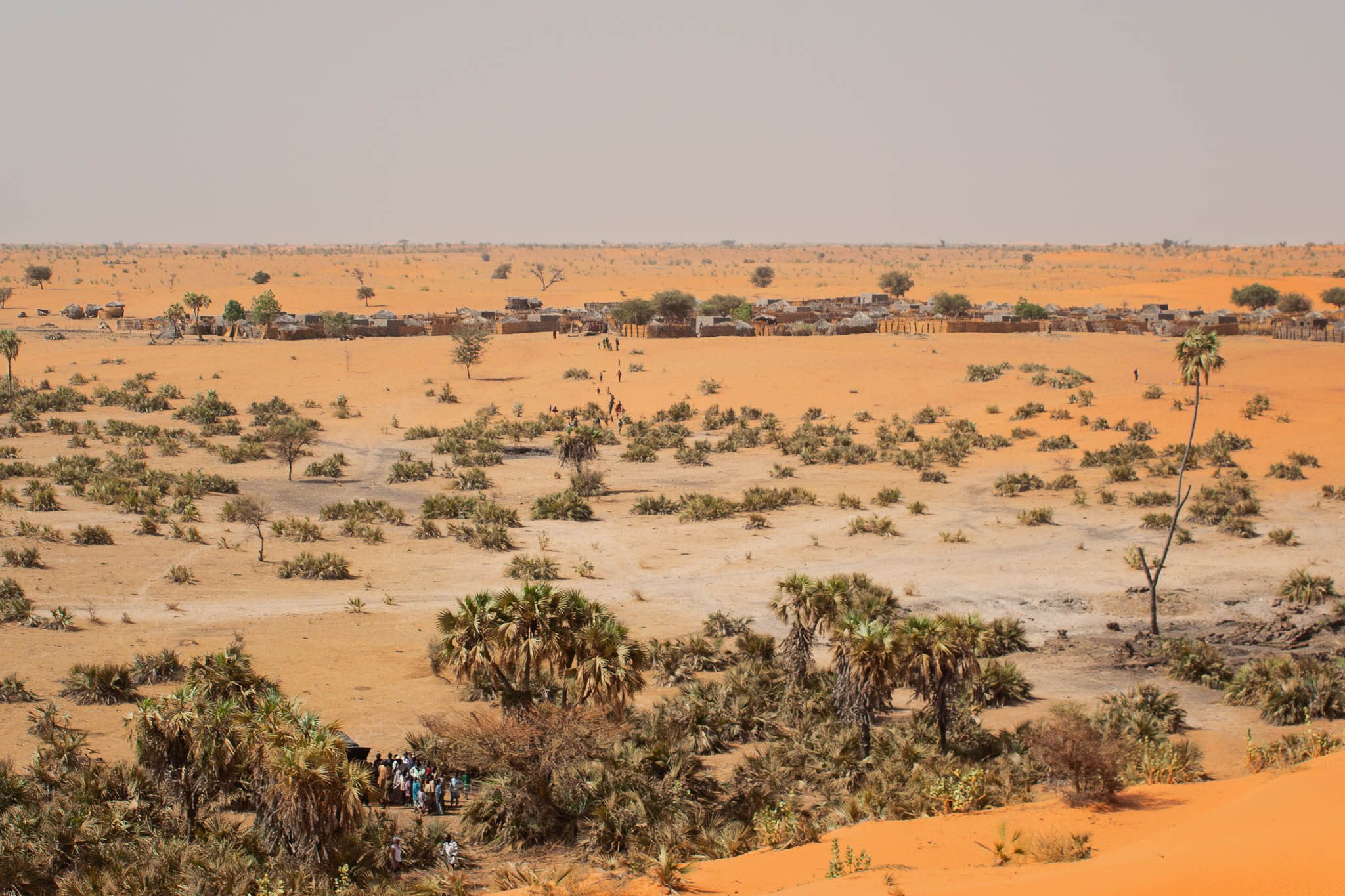
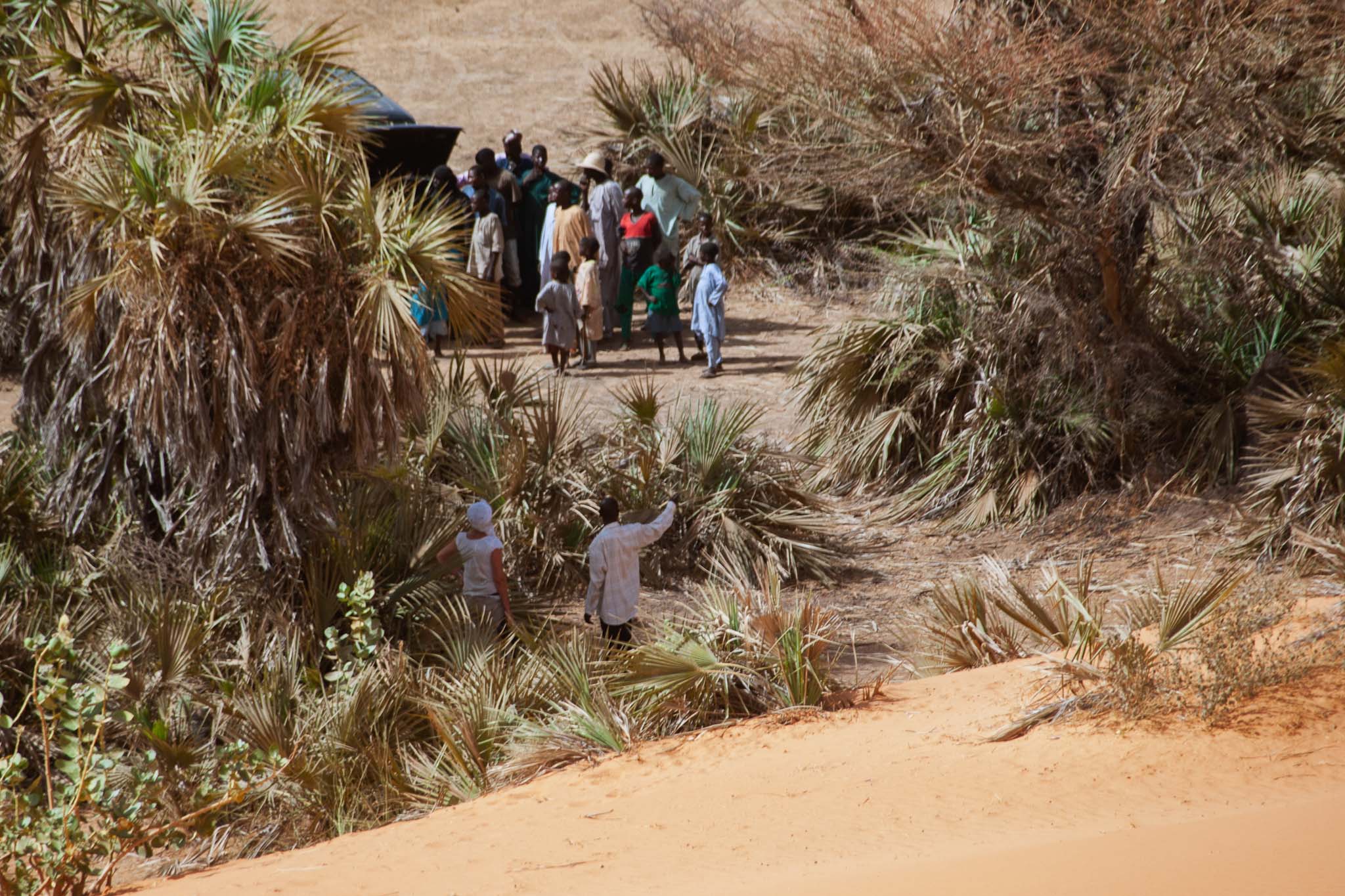
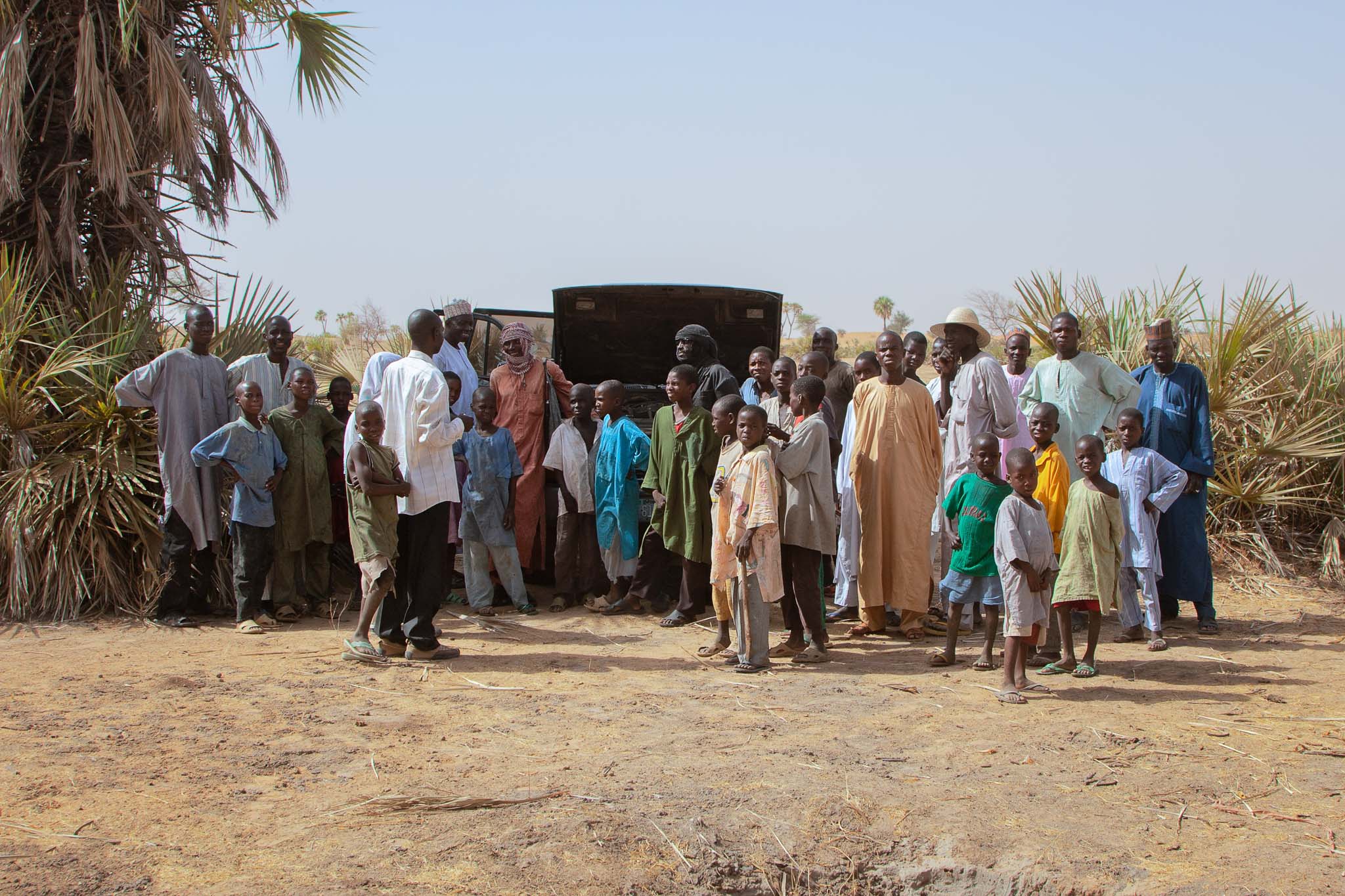
The images I took that day are few. Still, they are a reminder of the human cost of environmental change.
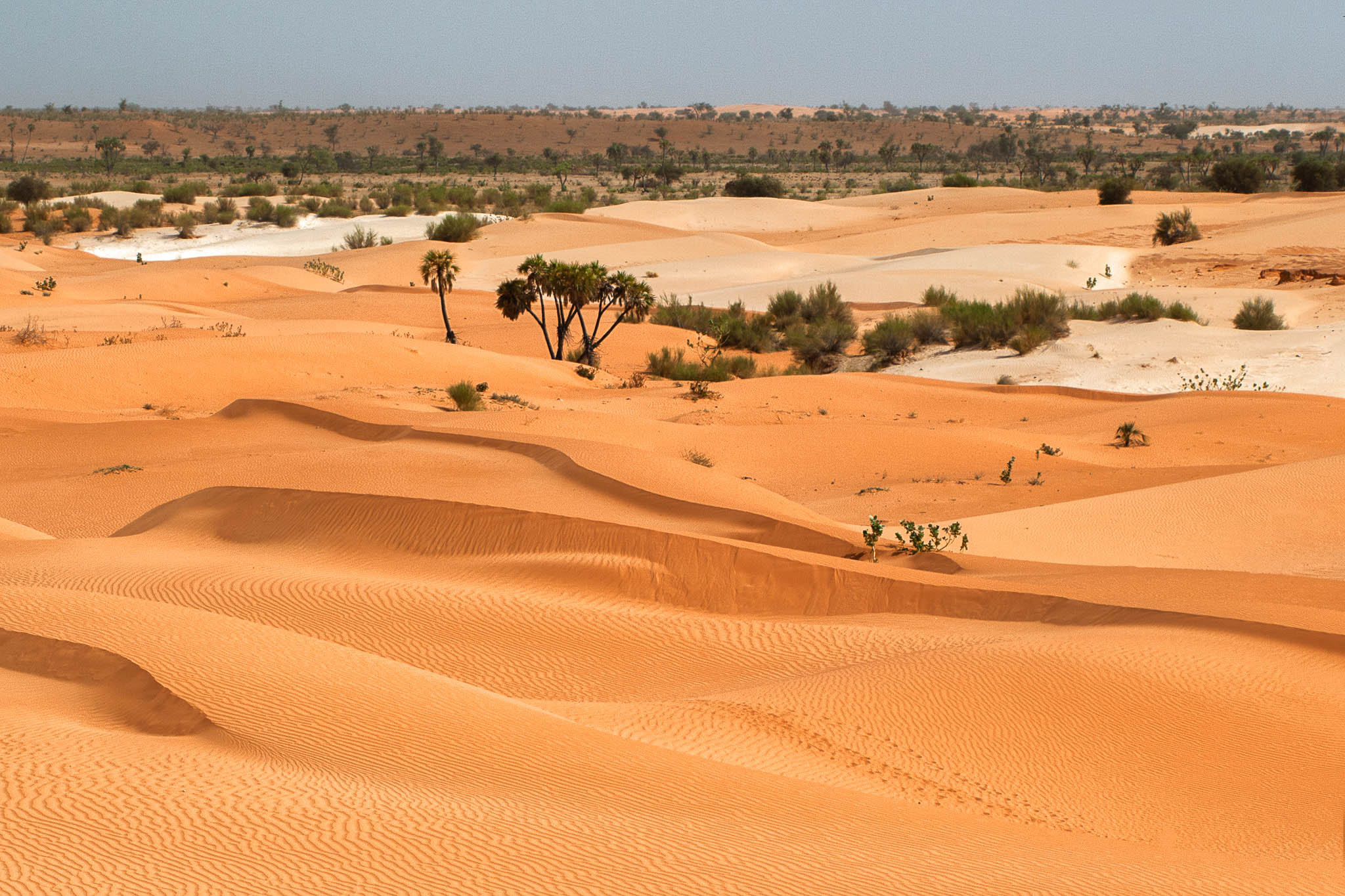
For detailed image descriptions, licensing, or print purchases, please visit my Photoshelter Gallery.