
The Argungu Fishing Festival - Its Ancient Origins
The Argungu Fishing Festival, Nigeria’s most iconic cultural event, draws visitors and participants from across Africa. While many know it for its spectacle and unity, few are aware of its truly ancient roots.
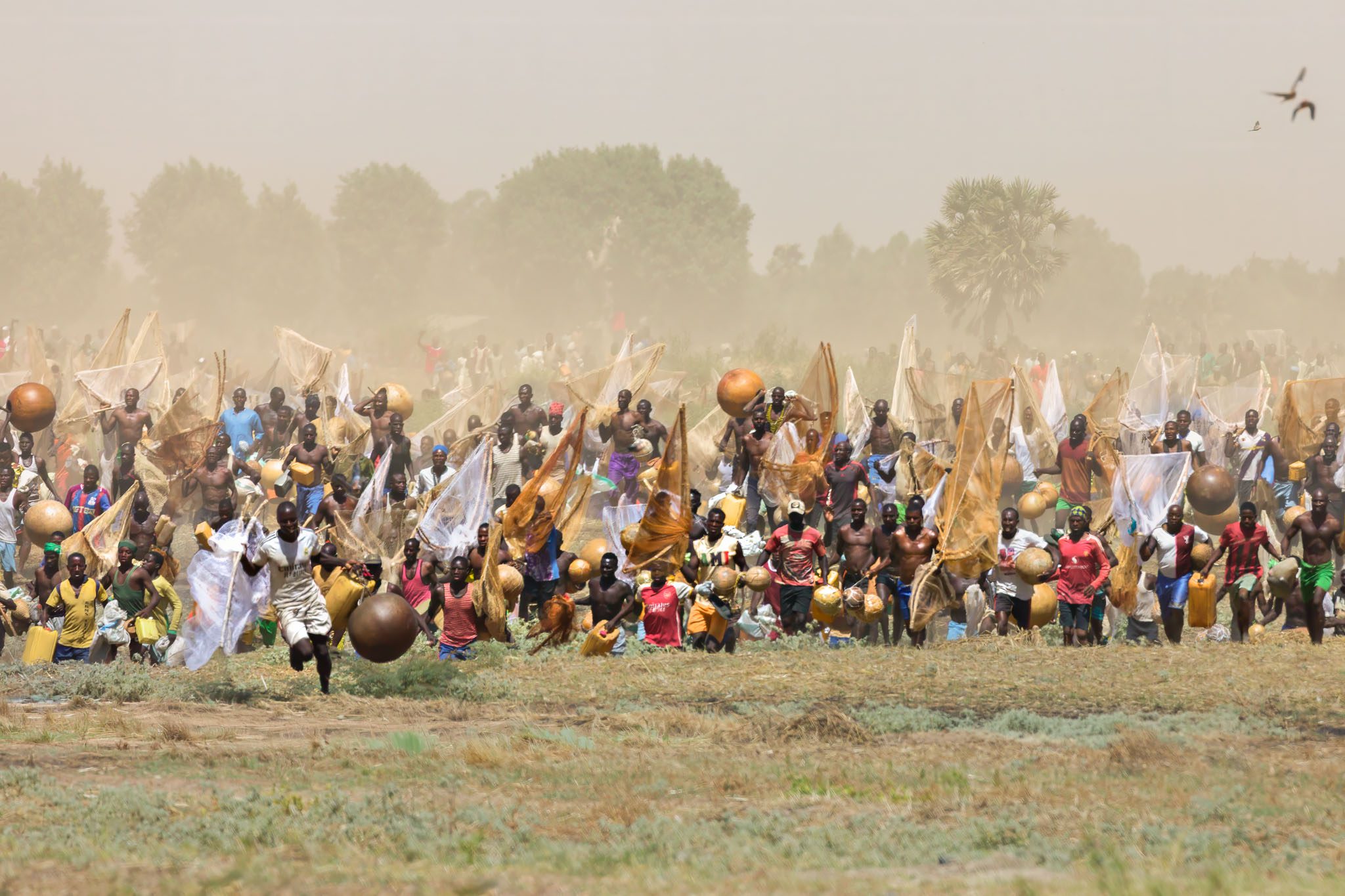
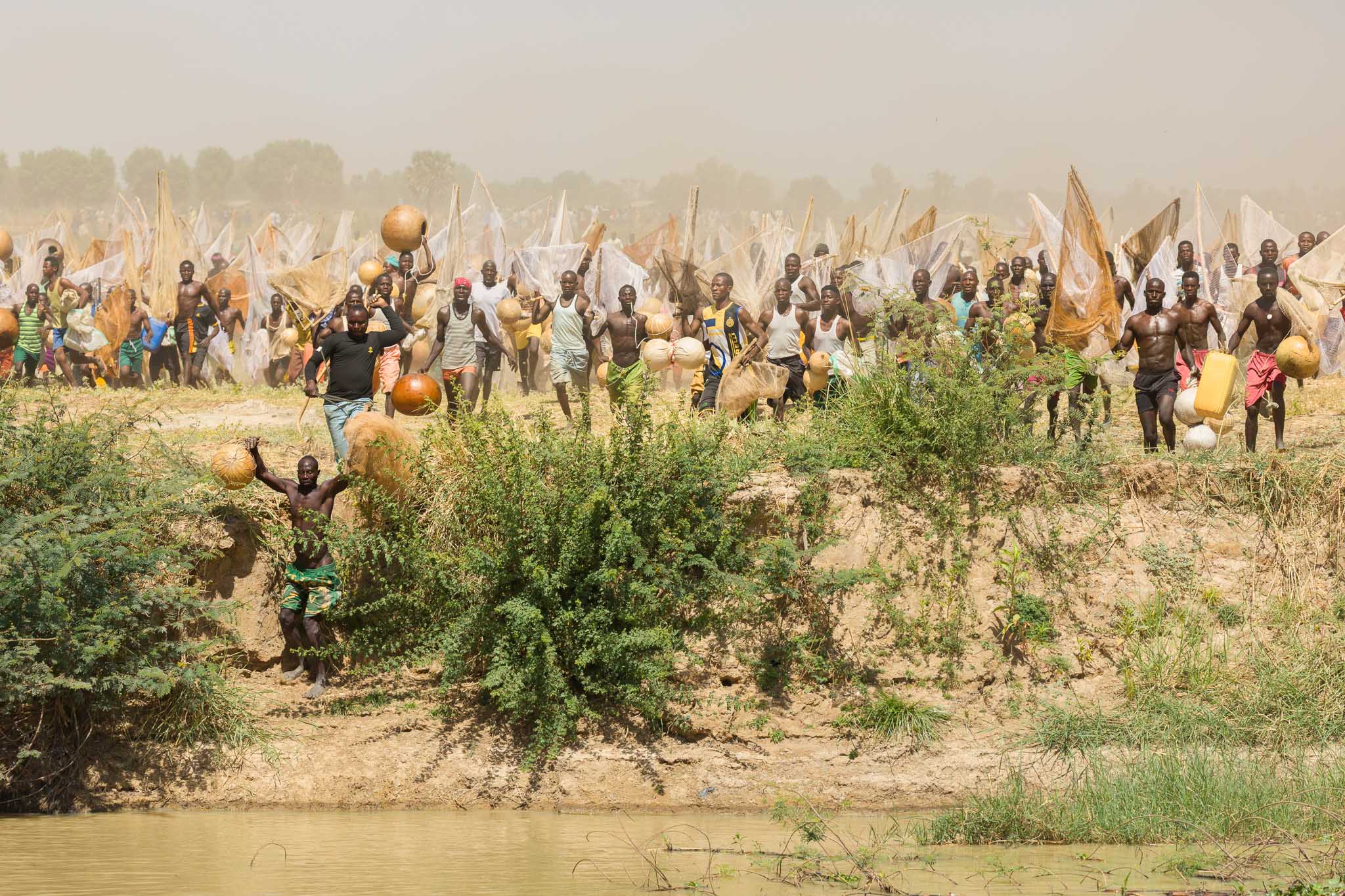
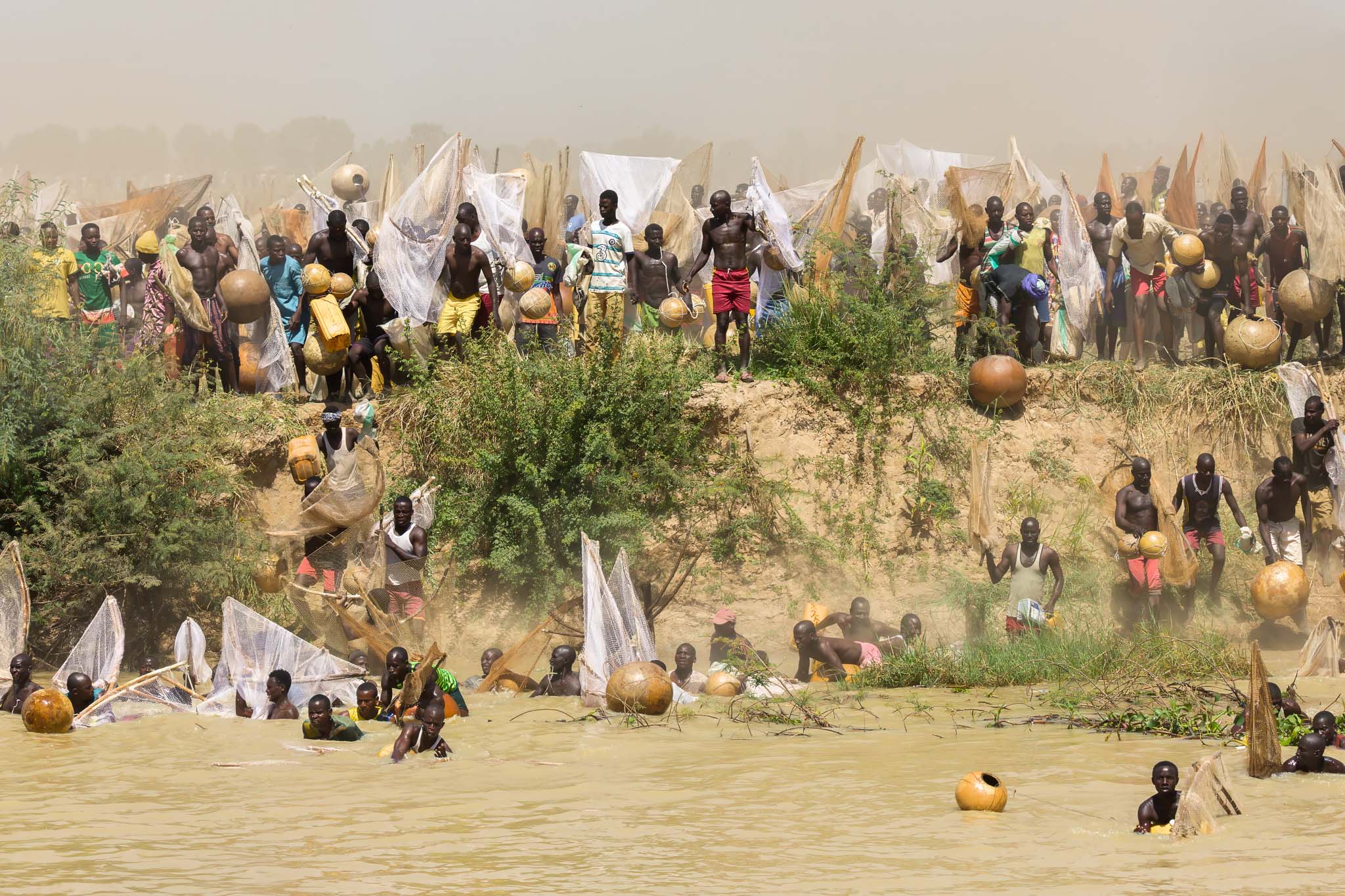
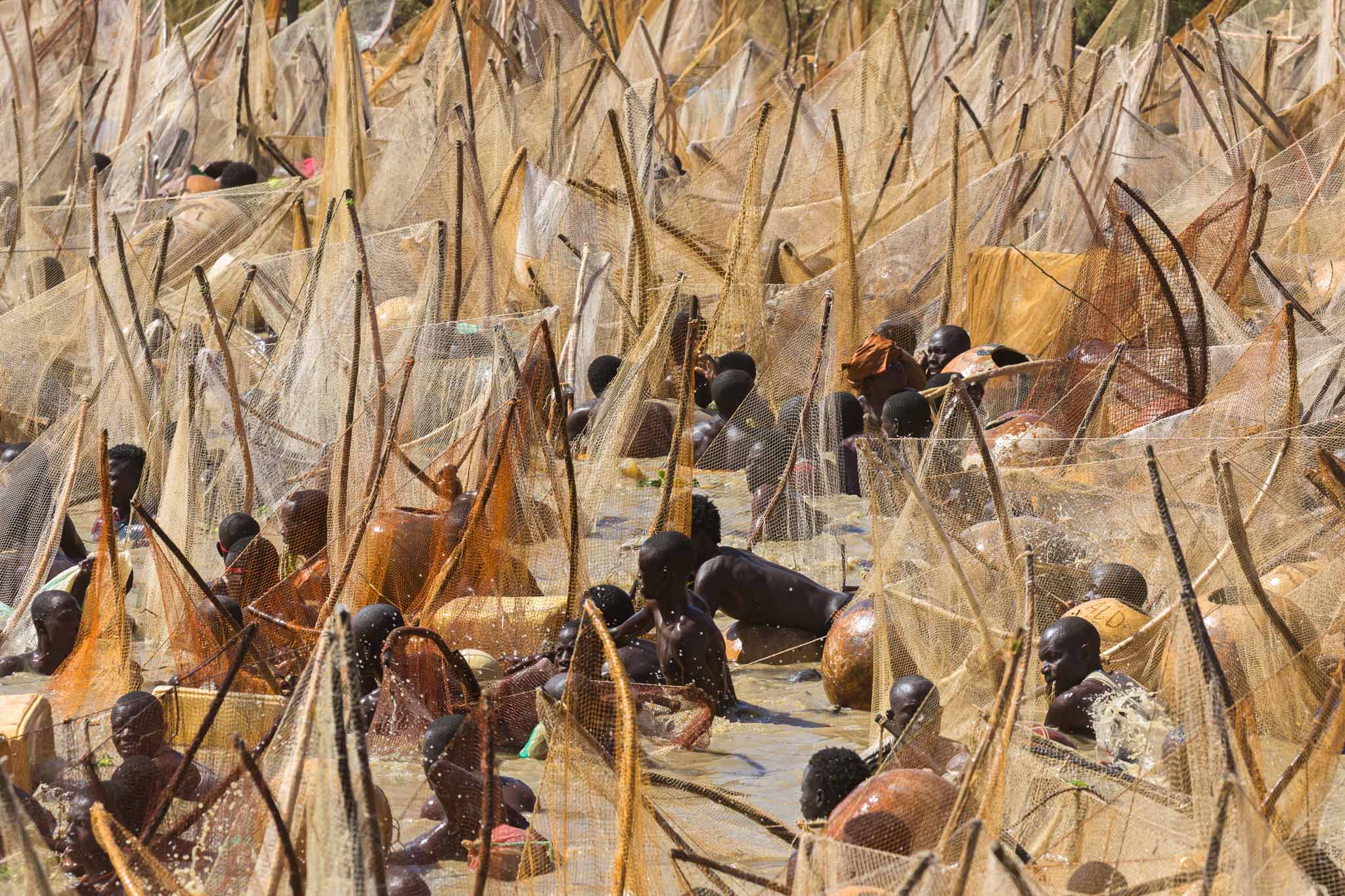
A Tradition Forged in Peace and Ritual
The festival’s origins go deeper than most realise. Long before it became a symbol of peace between the Sokoto Caliphate and the Kebbi Kingdom, the Argungu Fishing Festival began as a series of sacred communal rites among the Kabawa people. These rituals predate even the Kebbi Kingdom’s conquests in the early 16th century.
What started as informal family and community ceremonies gradually evolved into a central event for the region. In those early days, four major rituals marked the festival:
- Gyaran Ruwa (River Cleansing): Priests and Bori practitioners crossed the river in canoes, offering libations to the Queen Spirit of the Water (Doguwa) and reciting incantations to protect fishermen.
- Fashin Ruwa (Opening of the Waters): The Homa, or Leader of Fishermen, would seek the Emir’s blessing to begin the fishing season. This vibrant event included music, dance, and feats of skill— laying the groundwork for today’s festival.
- Gyaran Gari (Town Purification) and Shan Kabewa/Fura (Pumpkin Porridge Ceremony): These land-based rituals aimed to ensure a bountiful harvest and cleanse the community of negative influences.
As Islam spread, many of the animist practices faded. Yet, the Fashin Ruwa ceremony endured, eventually becoming the heart of the Argungu International Fishing and Cultural Festival as we know it today.
The Argungu Fishing Festival – an Iconic Gathering of Cultures
Now, the festival stands as a symbol of Nigeria’s rich and diverse heritage. People travel from across the country and neighbouring nations to experience music, dance, sport, and the legendary fishing competition. Communities such as Hausa, Dakarkari, Kambari, Zabarmawa, and many more join in the festivities. Each time it is held, Argungu remains a living story of unity and heritage on the banks of the Matan Fada.
While Northern Nigeria often faces security and economic challenges, the Argungu Fishing Festival endures as a testament to the resilience and spirit of its people. Whenever conditions allow, the event brings hope, pride, and togetherness – a powerful reminder of what communities can achieve, even in difficult times.
The Heart of the Festival: Traditional Competition
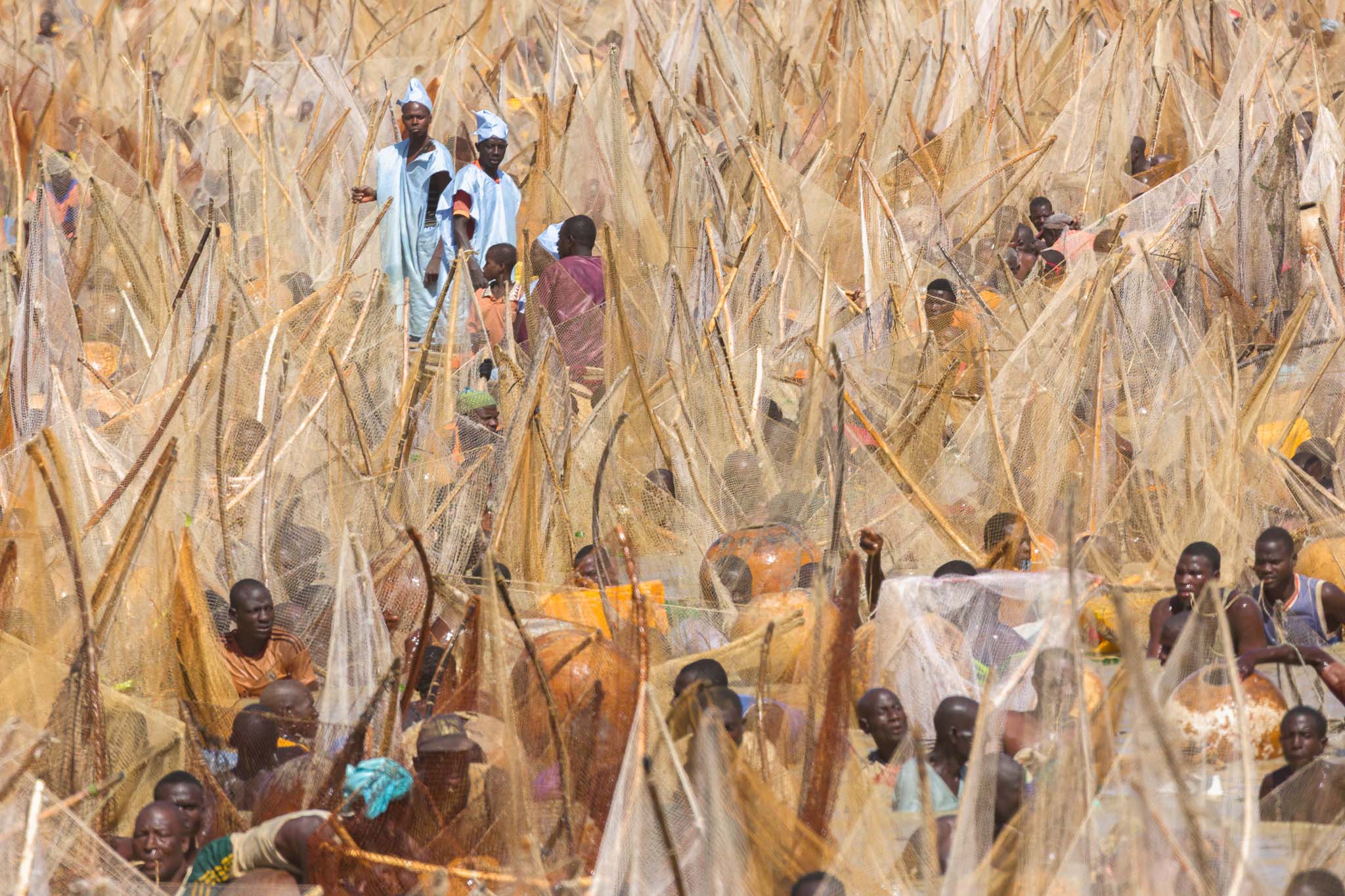
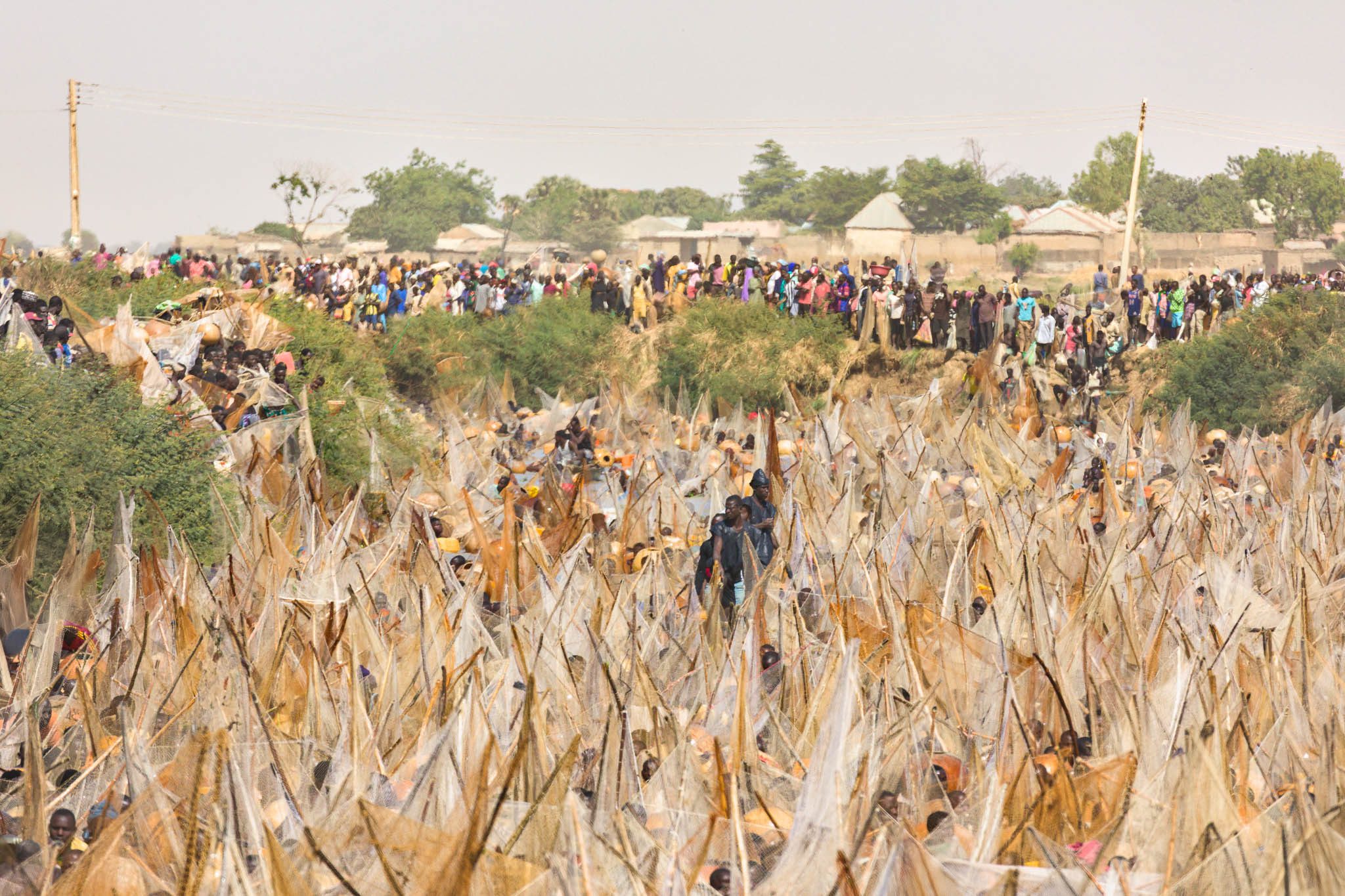
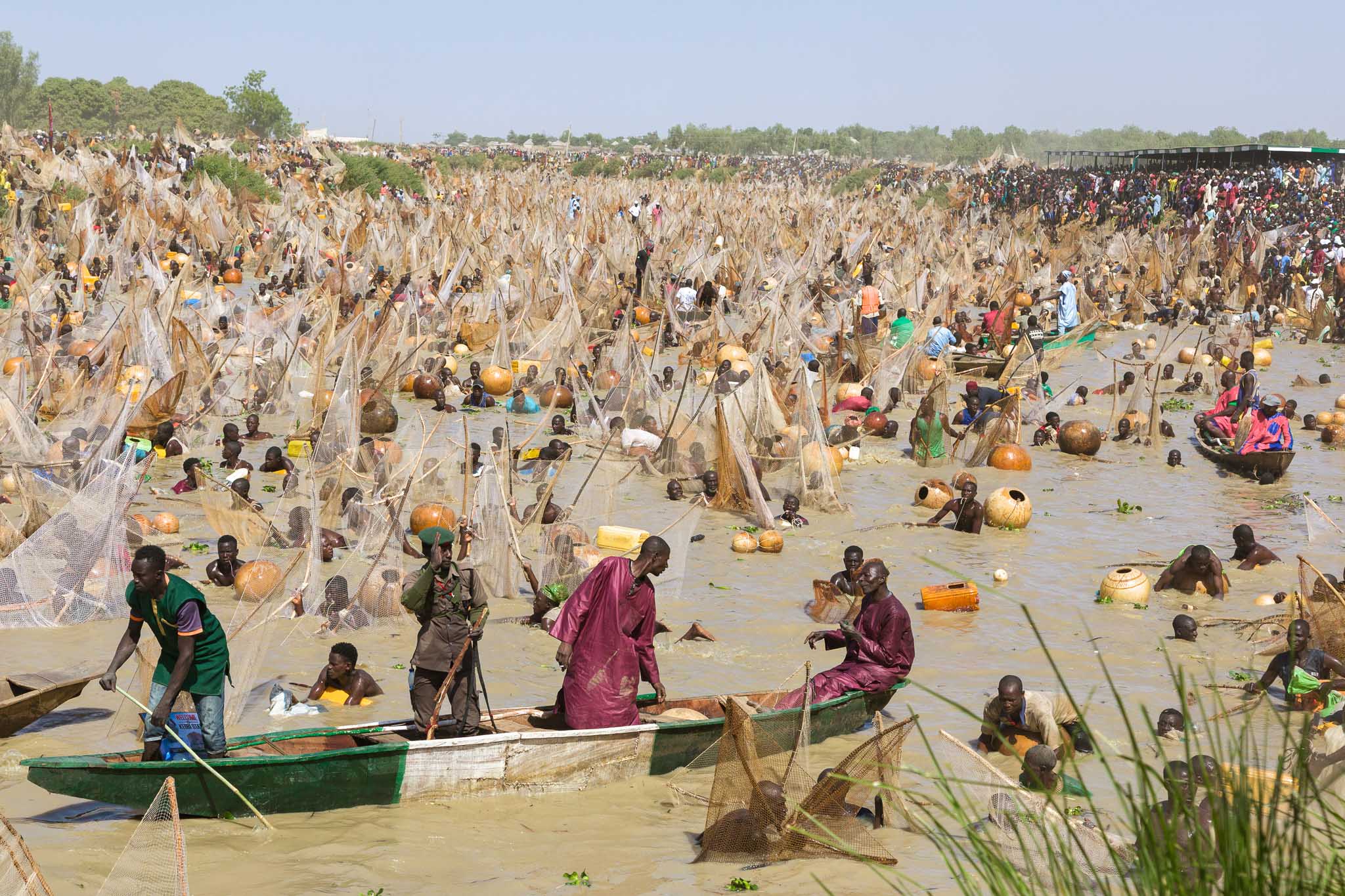
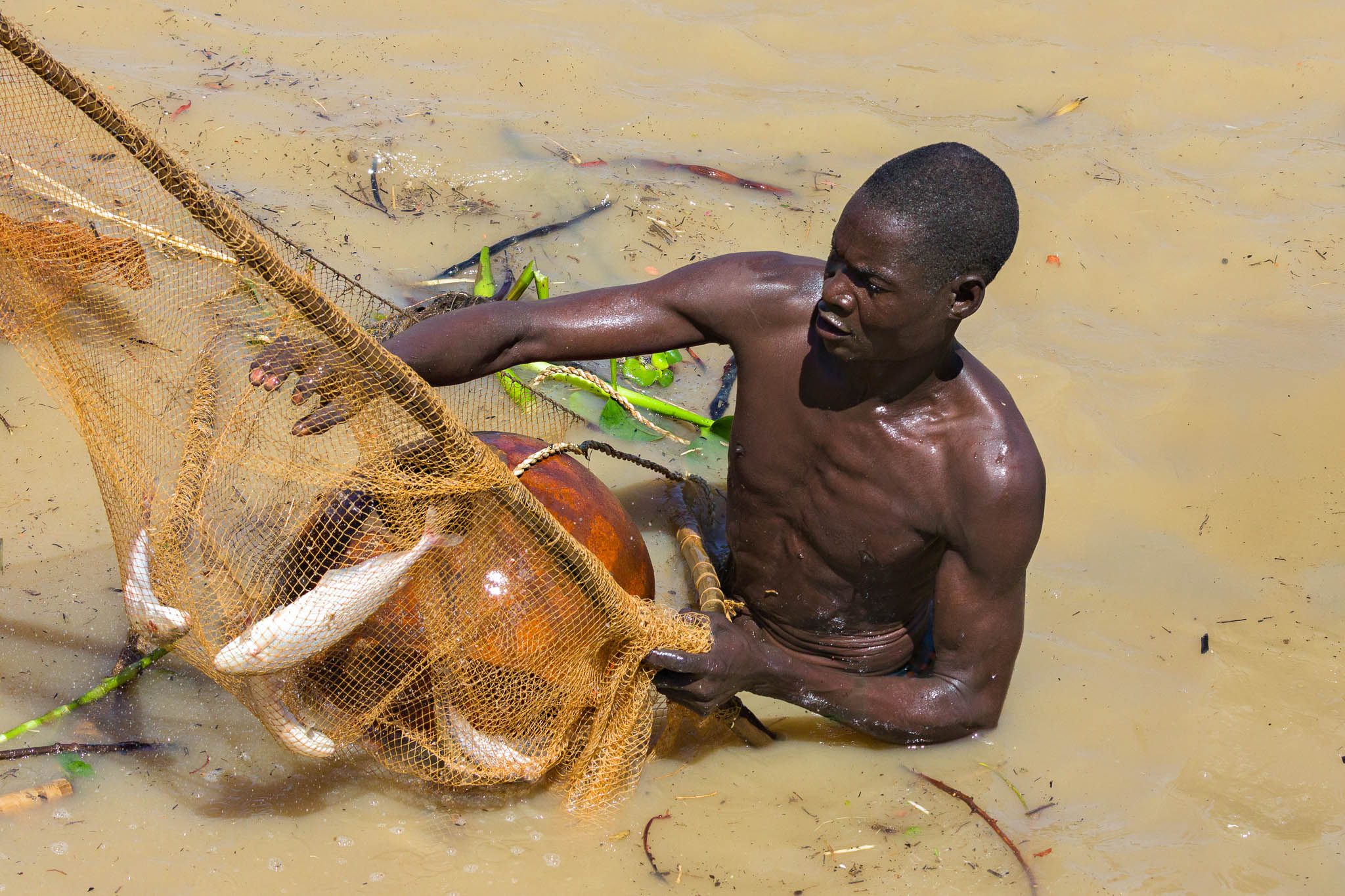
The highlight remains the fishing contest. Thousands of fishermen enter the river with only their bare hands, traditional nets, and large gourds—no modern equipment allowed. They work together, feeling for fish beneath the surface and guiding them into nets or against their bodies. This contest reveals both skill and teamwork, echoing ancient traditions.
From Preservation to Celebration
A year-long fishing ban makes the competition even more special. Fishing is prohibited year-round, allowing fish populations to thrive. When the festival finally begins, the river is alive with excitement as fishermen compete for prizes and honour. Ultimately, the community celebrates abundance and the wisdom of conservation – lessons passed down through generations.
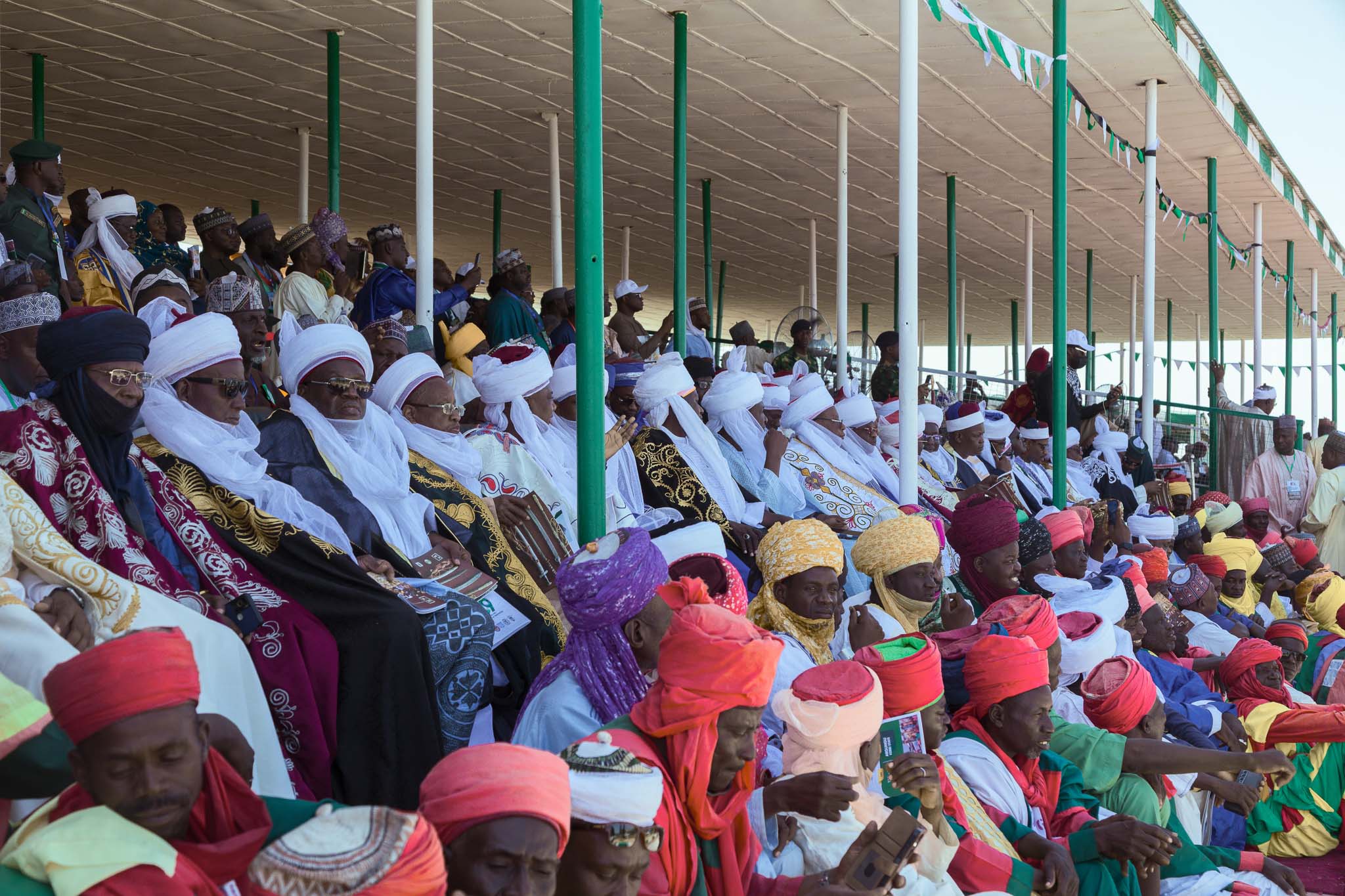
Uncovering Hidden Origins
This deeper history comes from the official Argungu Fishing Festival catalogue and records at the Kanta Museum. These sources reveal ancient rituals and traditions that predate the festival’s well-known story, offering a richer and more authentic perspective on Argungu’s enduring legacy.For deeper insight into the spiritual traditions that influenced Argungu’s origins, discover more about the region’s Bori culture in this blog post.
For detailed image descriptions or licensing enquiries, please visit my Photoshelter Gallery.