
A Glimpse of Bori: Spirit Possession at the Argungu Durbar
A Brief Encounter with Hausa Tradition
During the Argungu Durbar, I had the opportunity to photograph Bori practitioners as they took part in the festivities. These images offer a small window into the enduring presence of Bori in Hausa culture.
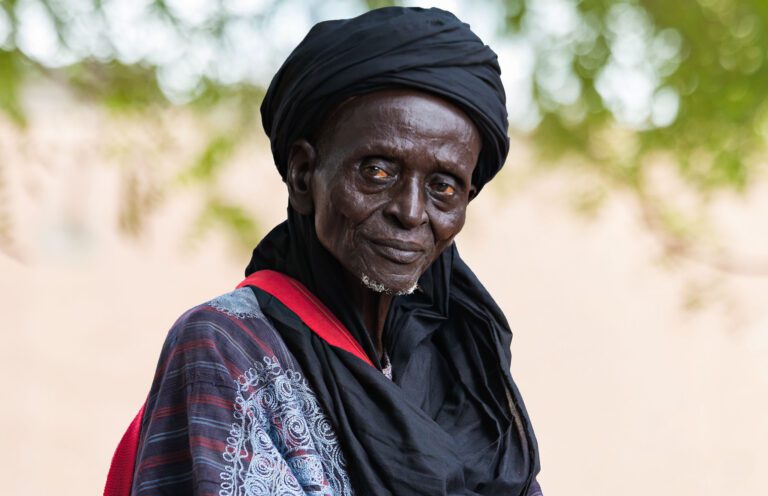
Portrait of Sarkin Bori Sule (Yan’Bori) at Argungu Durbar 2013
Understanding Bori: Spirit, Healing, and Heritage
Ancient Roots in Hausaland
Bori is a traditional pre-Islamic religion and spirit possession cult of the Hausa people, found primarily in Northern Nigeria and Southern Niger. While the 18th-century Jihad led many Hausa to embrace Islam, Bori persists – sometimes in syncretic forms – serving as both a spiritual practice and a living cultural heritage.
The Role of the ‘Yan Bori’
Once the dominant spiritual system in Hausaland, Bori was both a religion and a means of healing. Its practitioners, the ‘Yan Bori (“children of Bori”), acted as intermediaries between humans and a complex pantheon of spirits known as iskoki (“winds”). These spirits, believed to inhabit both animate and inanimate objects, were invoked for protection, healing, fertility, and fortune – or, conversely, were blamed for illness and misfortune.
Spirits of Bori: Insights from Kanta Museum, Argungu
During my research at the Kanta Museum in Argungu, I encountered a dedicated Bori exhibit that showcases the tradition’s rich pantheon of spirits. Once a central religion in Hausaland before the arrival of Islam in the 10th century, Bori now survives primarily as a form of cultural entertainment. Men and women perform as spirits, each embodying distinct supernatural roles:
Anniya/Anne/Kirai: Spirits of rain
Bafillatar Ruwa: Spirit of the river
Babule: Spirit of fire
Sulaimana: King of the spirit of the mountain
Yar Buzaye, Fitar Arniya, Fitar Bazabarma, Maryama, Badakkare: Other notable spirits with unique attributes
Rituals of Possession and Initiation
Bori ceremonies centre on spirit possession (adorcism), in which a host – called doki (male) or godiya (female) invites the spirit to “mount” them, often through music, dance, and ritual performance. The most significant initiation, girka, formally introduces new members to the spirit world.
Endurance and Adaptation
With the spread of Islam and colonial influence, Bori’s role as a religion diminished, but its healing and therapeutic aspects endured. Today, Bori is often practised alongside Islam, especially as a form of traditional therapy for spirit-induced ailments.
Empowerment and Social Significance
Bori offers rare avenues for empowerment, particularly for women, who may become respected priestesses (Inna) and community leaders. The cult also provides a haven for the marginalised – divorcees, the sick, or those seeking social acceptance. In contemporary Hausa society, Bori is sometimes viewed as folk entertainment or a cultural performance, yet belief in the iskoki remains strong in many rural communities. Its ceremonies, with their hypnotic music and dramatic feats, continue to fascinate and offer insight into the region’s spiritual and cultural complexity.
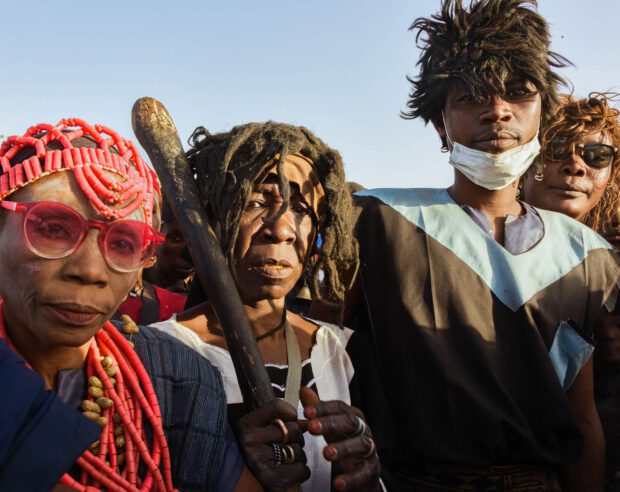
Portraits of Bori priests at Durbar, reflecting the spiritual roots and vibrant culture of the Argungu Fishing festival 2026.