
Kagoro’s Footprints - The Legend of Katagwan
Kagoro’s Footprints, Justice, and Legacy
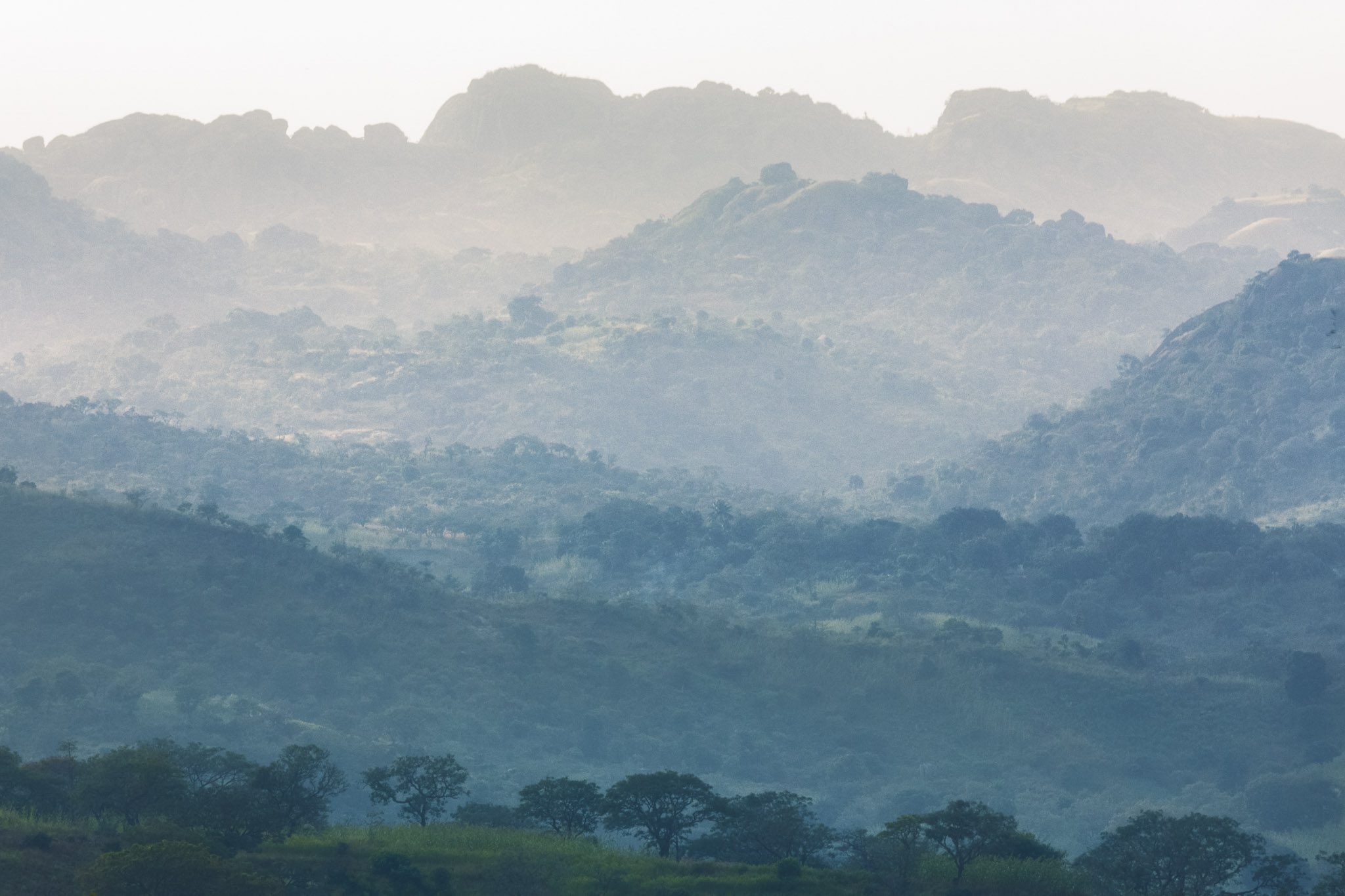
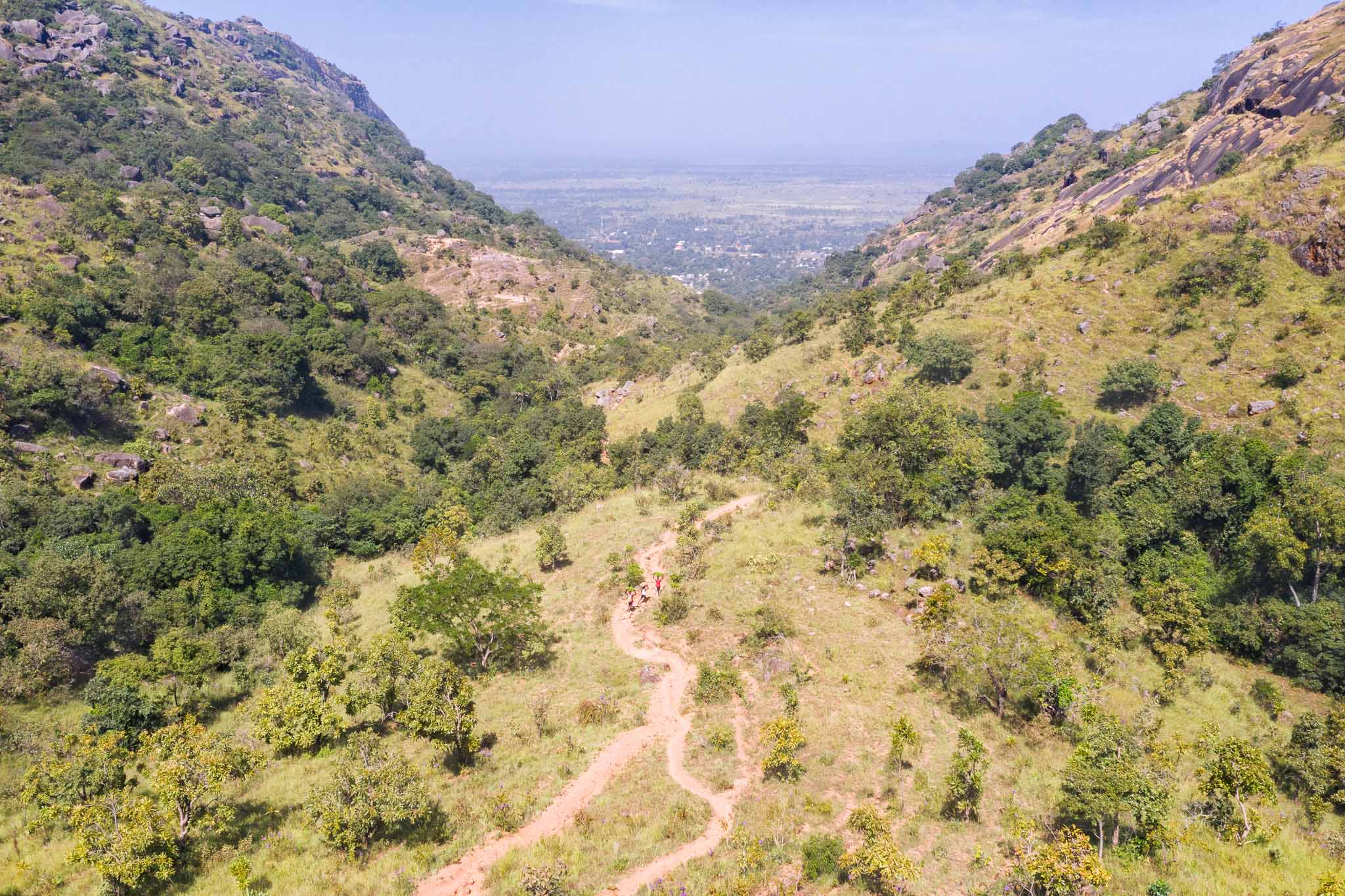
Hidden among the hills of Kagoro, Kaduna State, lies a story carved in stone and memory – a legend of migration, leadership, and justice, embodied by the true Nigerian giant: Katagwan.
From Distant Lands to Dusai
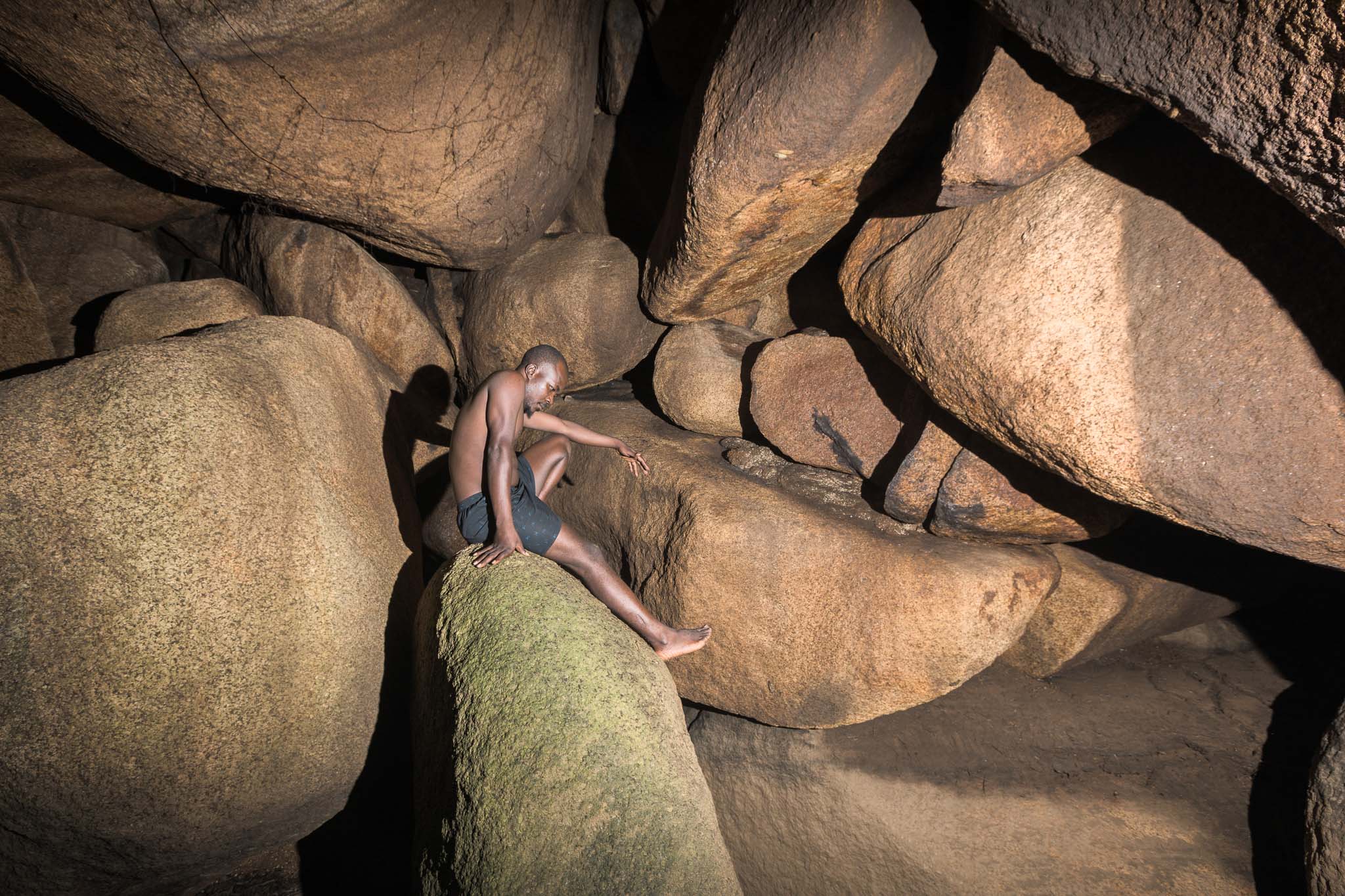
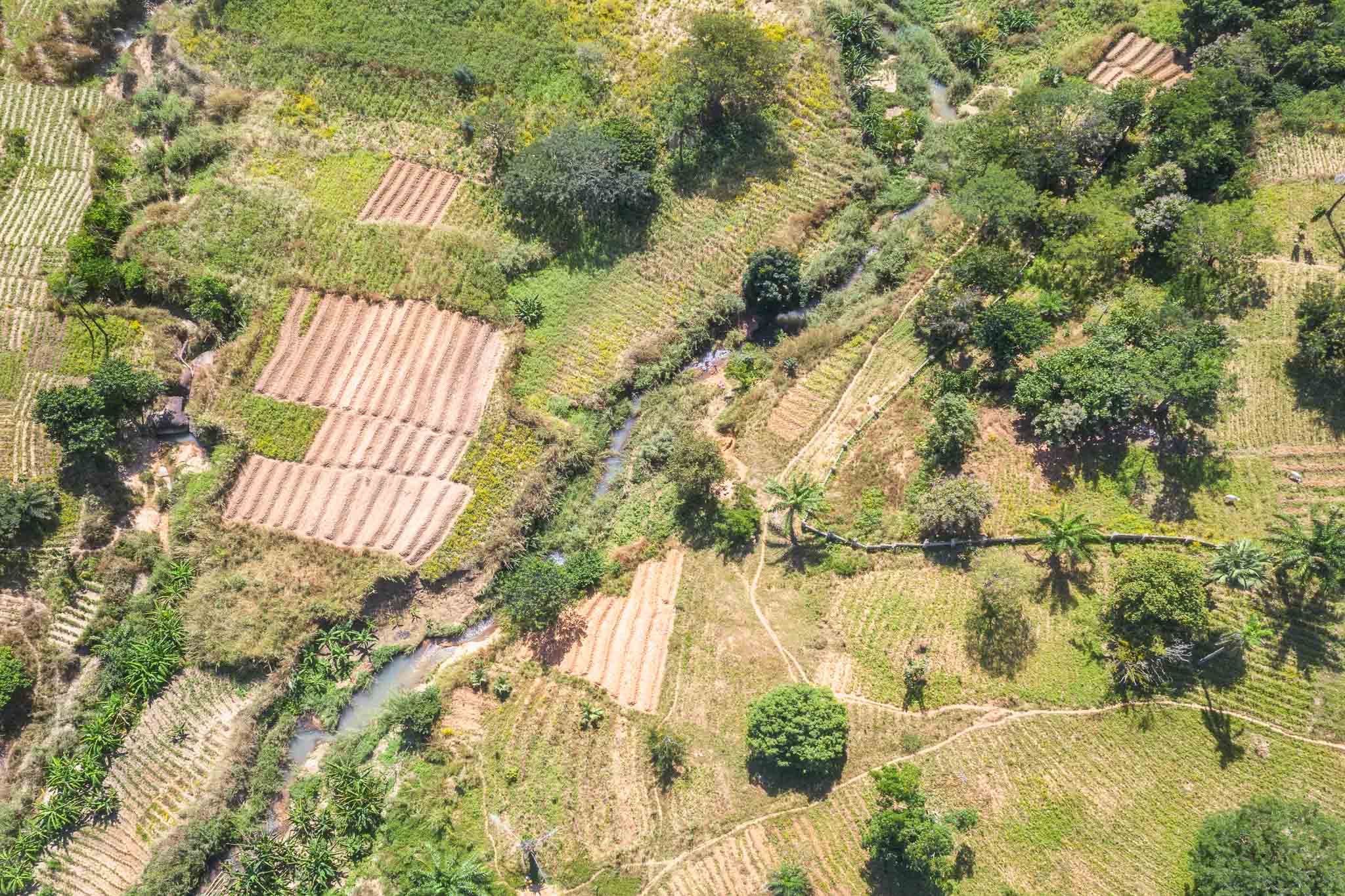
Oral tradition tells of ancestors migrating from the Middle East, journeying through Chad, Maiduguri, and Bauchi, before settling at Nimbia. In search of a true home, the Katagwan people climbed the hills and found fertile land. Katagwan—a giant, hunter, warrior, and civil rights defender—discovered the area and called his brother Mingyio to join him. The community first lived in caves for safety, then moved down to build homes as peace returned.
Kagoro’s Footprints – A Dispute Settled in Stone
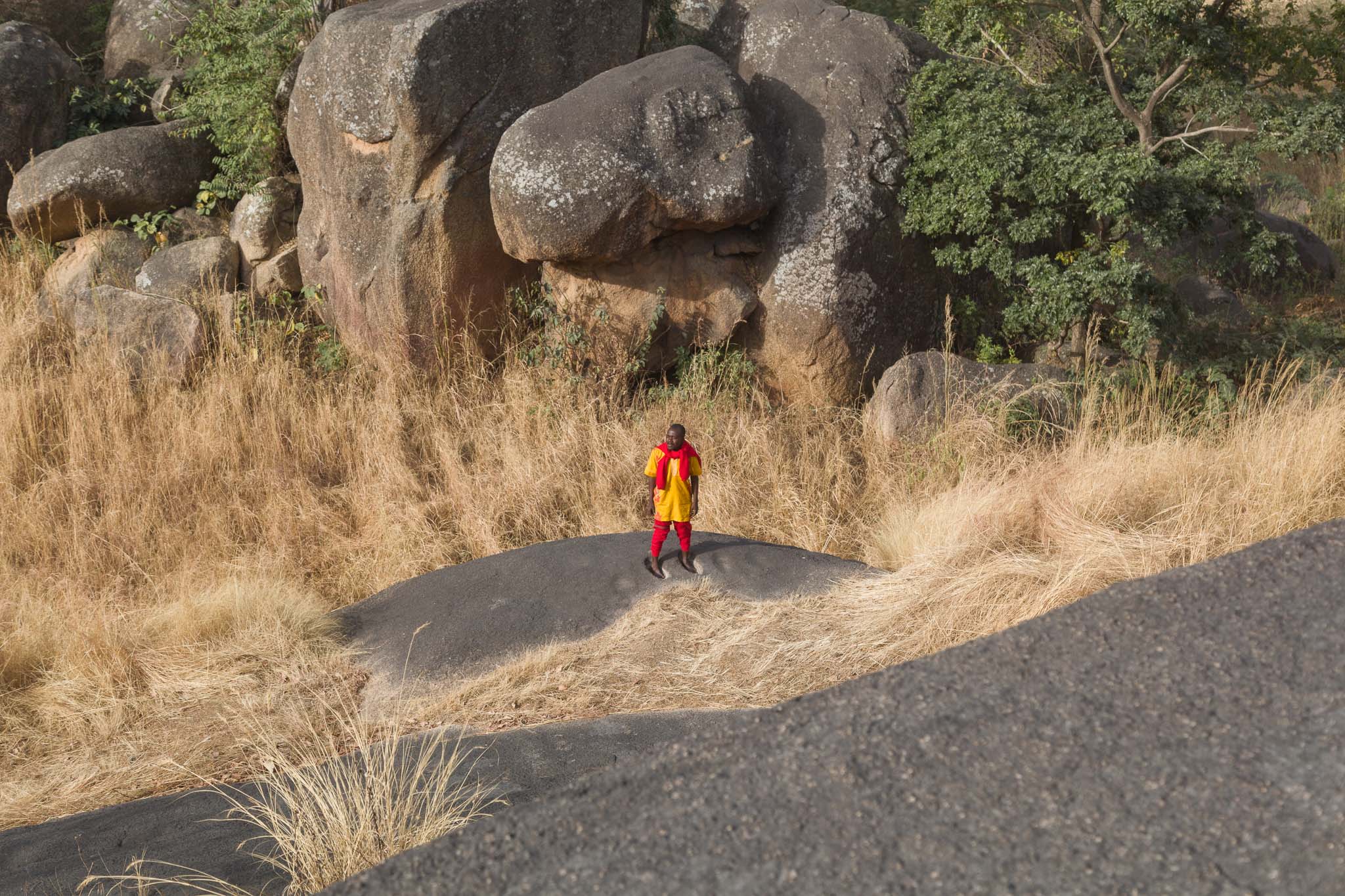
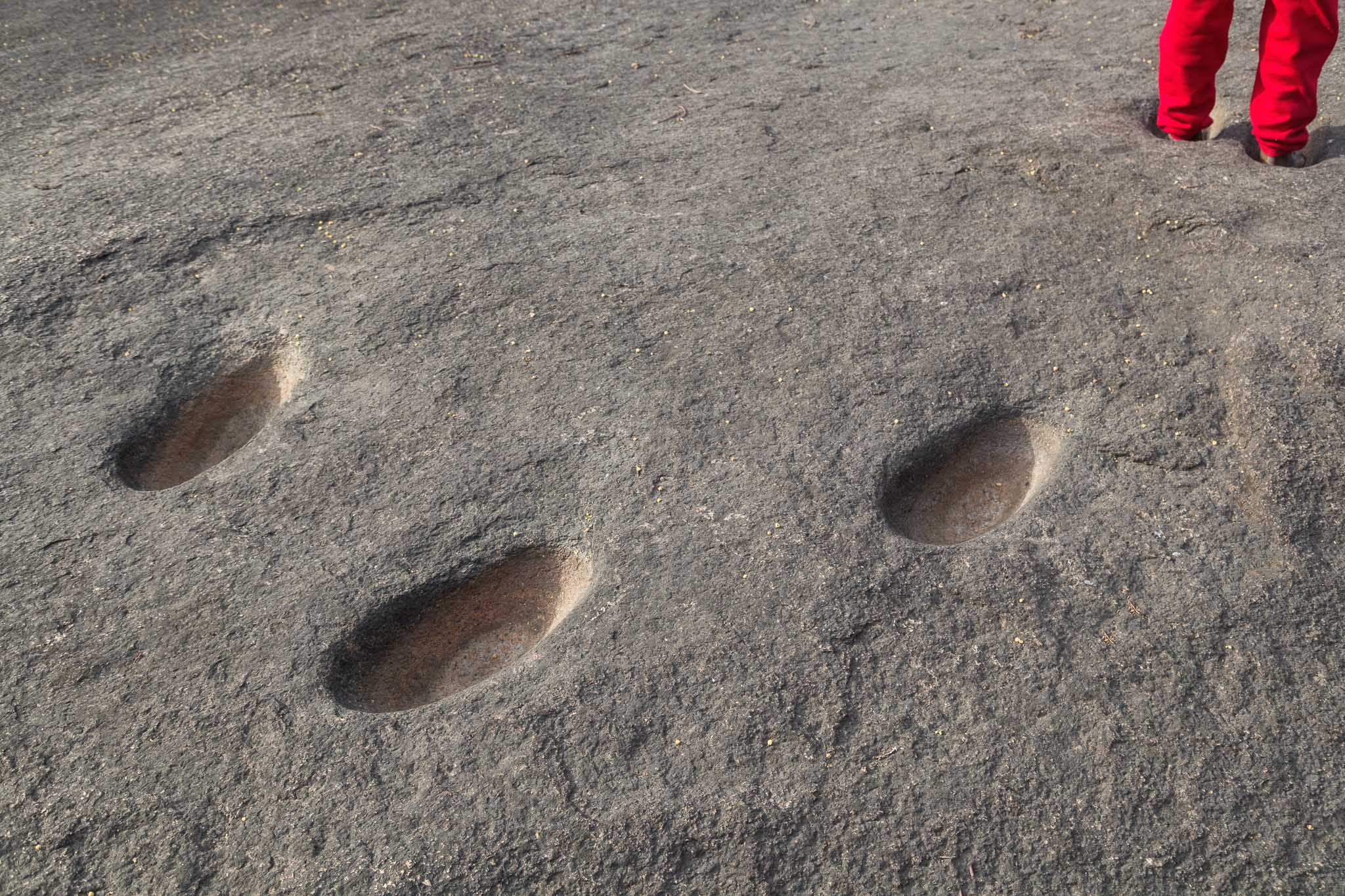
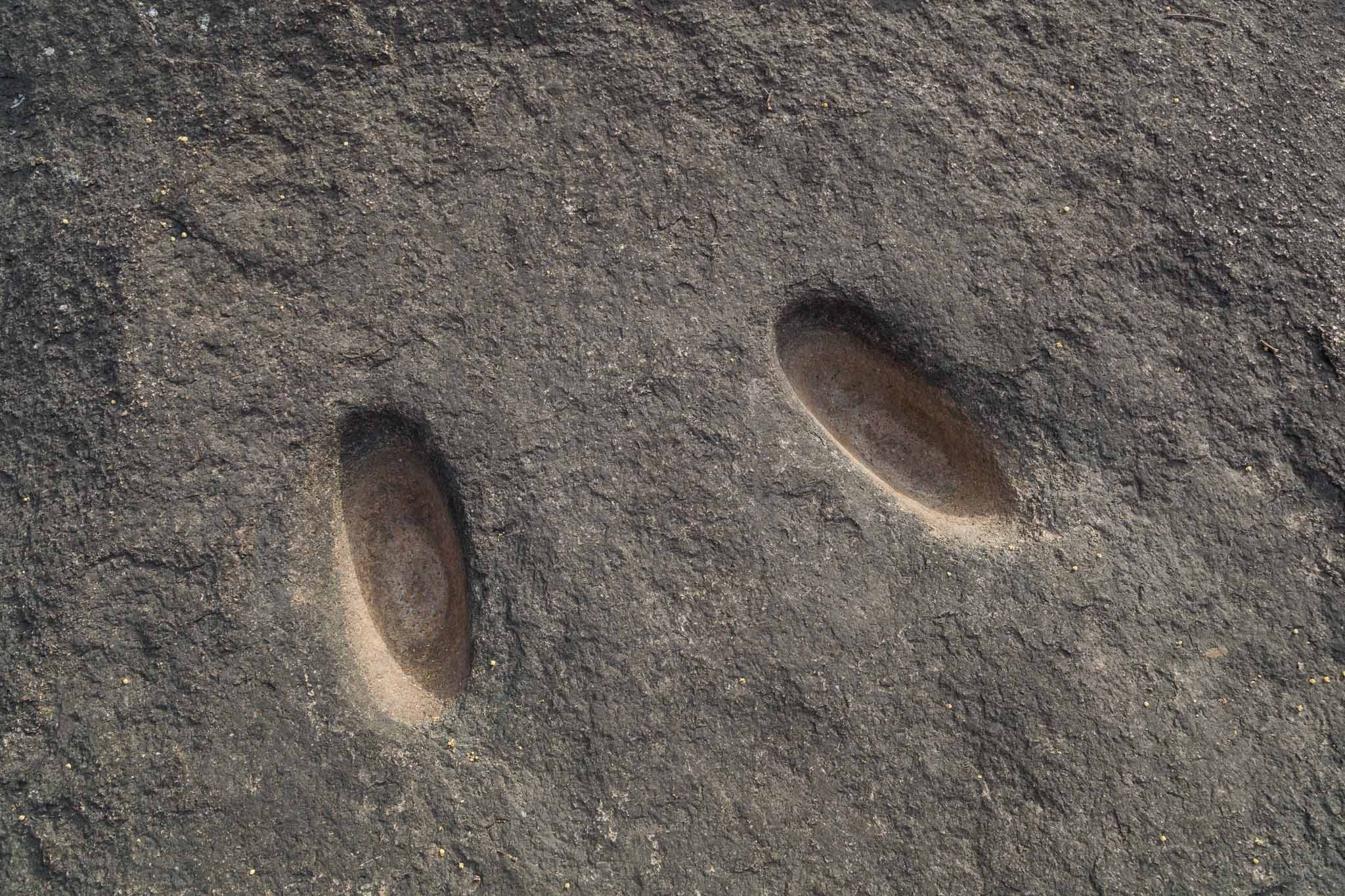
A dispute arose between Katagwan and Mingyio over who truly discovered the land. The clans called a meeting and challenged both to prove themselves. Katagwan declared he would leave his footprints on a stone – an impossible task for most. As legend goes, he pressed his feet deep into the rock, leaving unmistakable marks. Mingyio could not do the same. The elders awarded leadership to Katagwan, whose footprints and those of his family remain visible today.
Katagwan: Giant, Hunter, and Defender
Katagwan’s legacy extends beyond his size and strength. He was known for his belief in justice and fairness. In times of hunting disputes, he would use his long arm to deliver the animal to the rightful hunter’s home, ensuring fairness for all. During the rainy season, when floods threatened to cut off villages, Katagwan would stretch out his arm to form a bridge, allowing his people to cross safely to their farms.
He was a leader who valued unity and peace. When there was famine in one village, Katagwan would find food in abundance elsewhere and share it with those in need. He personally resolved disputes, distributed fruit from the trees, and ensured harmony among the clans. His actions during the great hunting expeditions, known as ‘Bogwo’, are still remembered for their fairness and wisdom.
Kagoro’s Footprints – Marking the Land
Katagwan left his footprints, his dog’s prints, and spear marks across several hills, marking his hunting zones and territory. These sites include Aduwo Shuwai (Agban), Dusai, Afan Takad (Takad chiefdom), Rahama Hills (Chawai chiefdom), Afan Atyap (Atyap chiefdom), and Afan Adan (Wadon, Bajju chiefdom).
Katagwan’s Seat and Daily Life
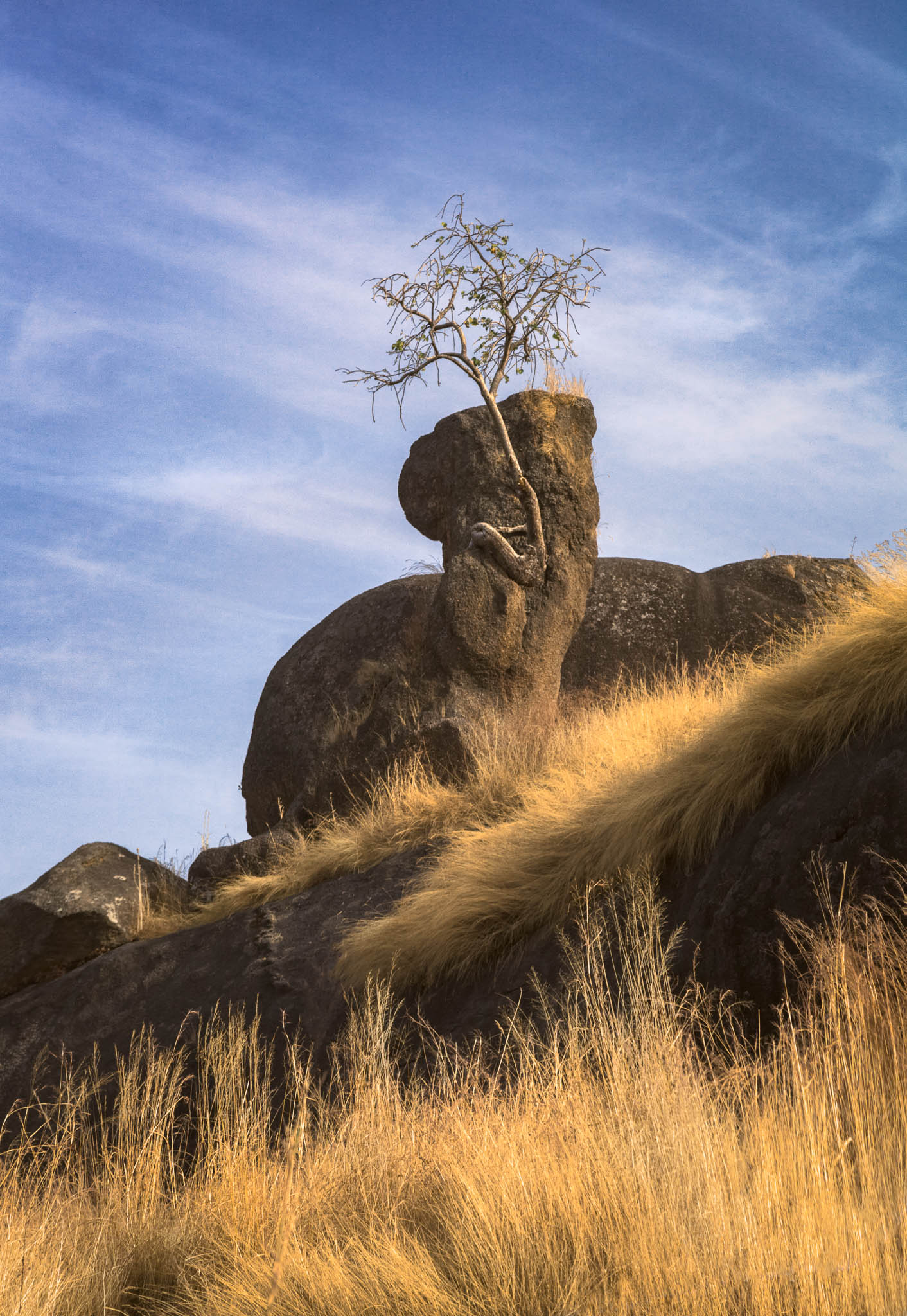
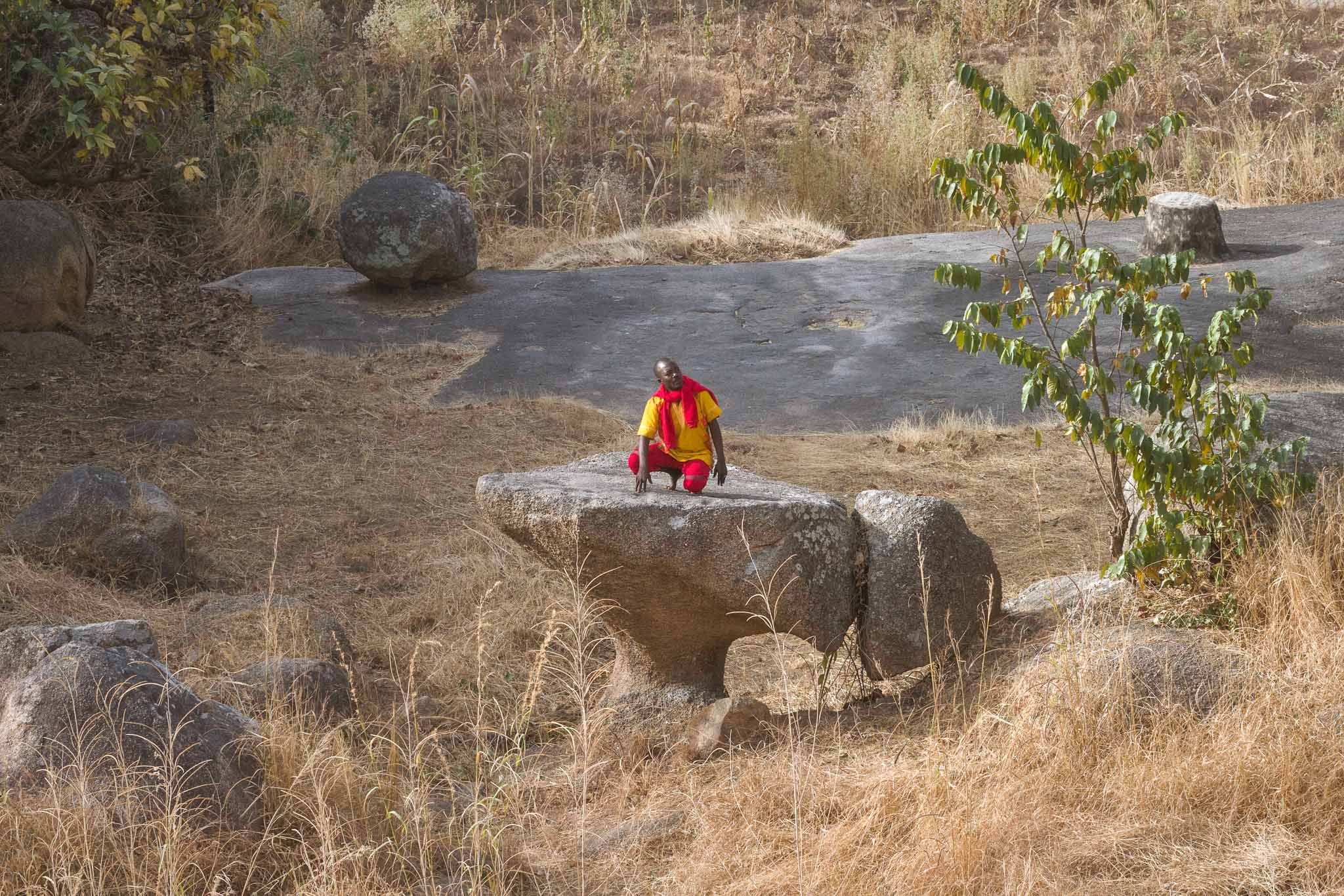
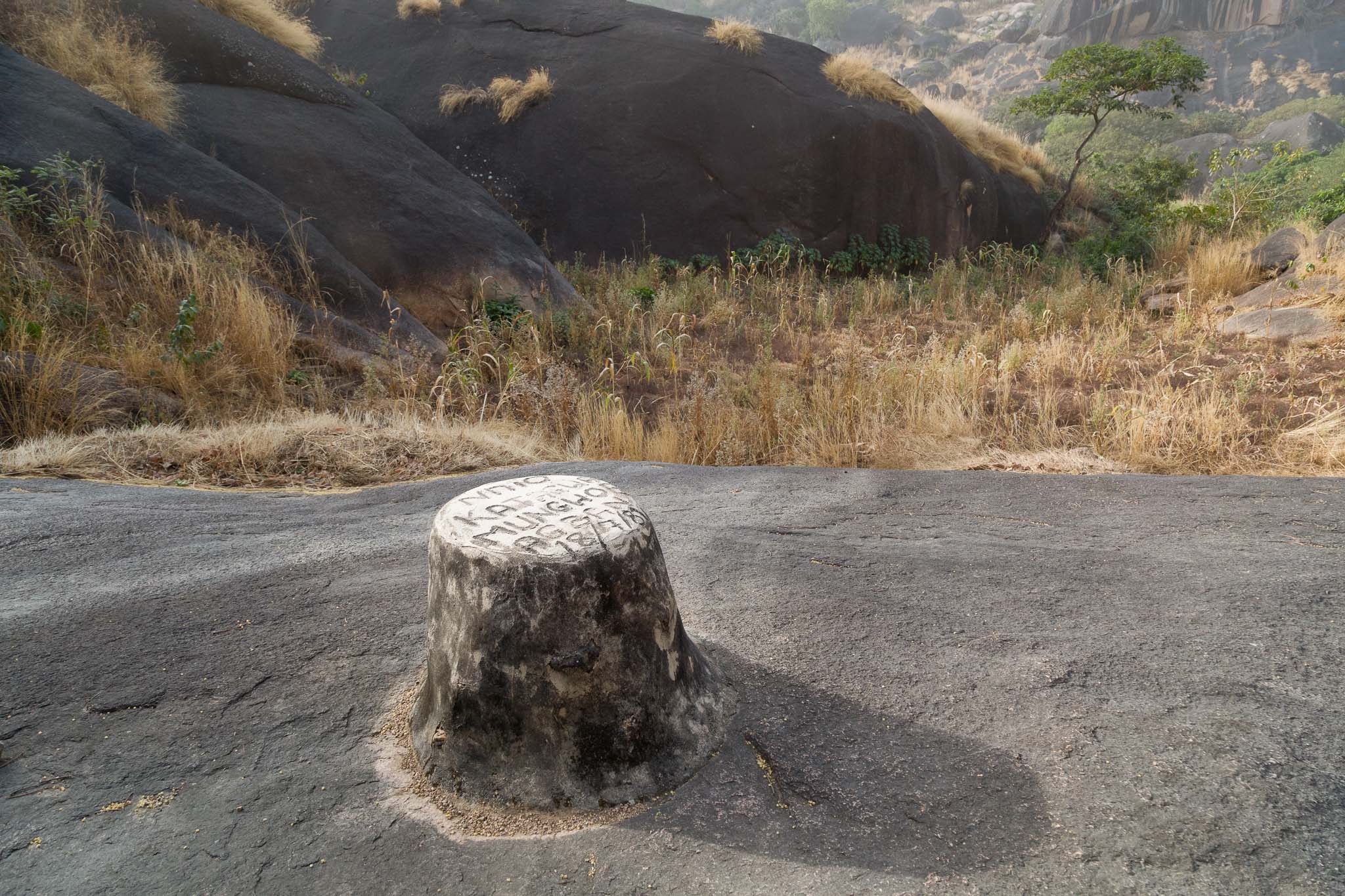
Among the most tangible links to the legend is a stone chair, found in the hills of Kagoro. Local tradition holds that this chair served as Katagwan’s seat, where he would rest after hunting or while watching over his people. It was also used as his headrest and, in some stories, as an ashtray. Alongside footprints and spear marks, the stone chair stands as a silent witness to the presence and spirit of the legendary giant.
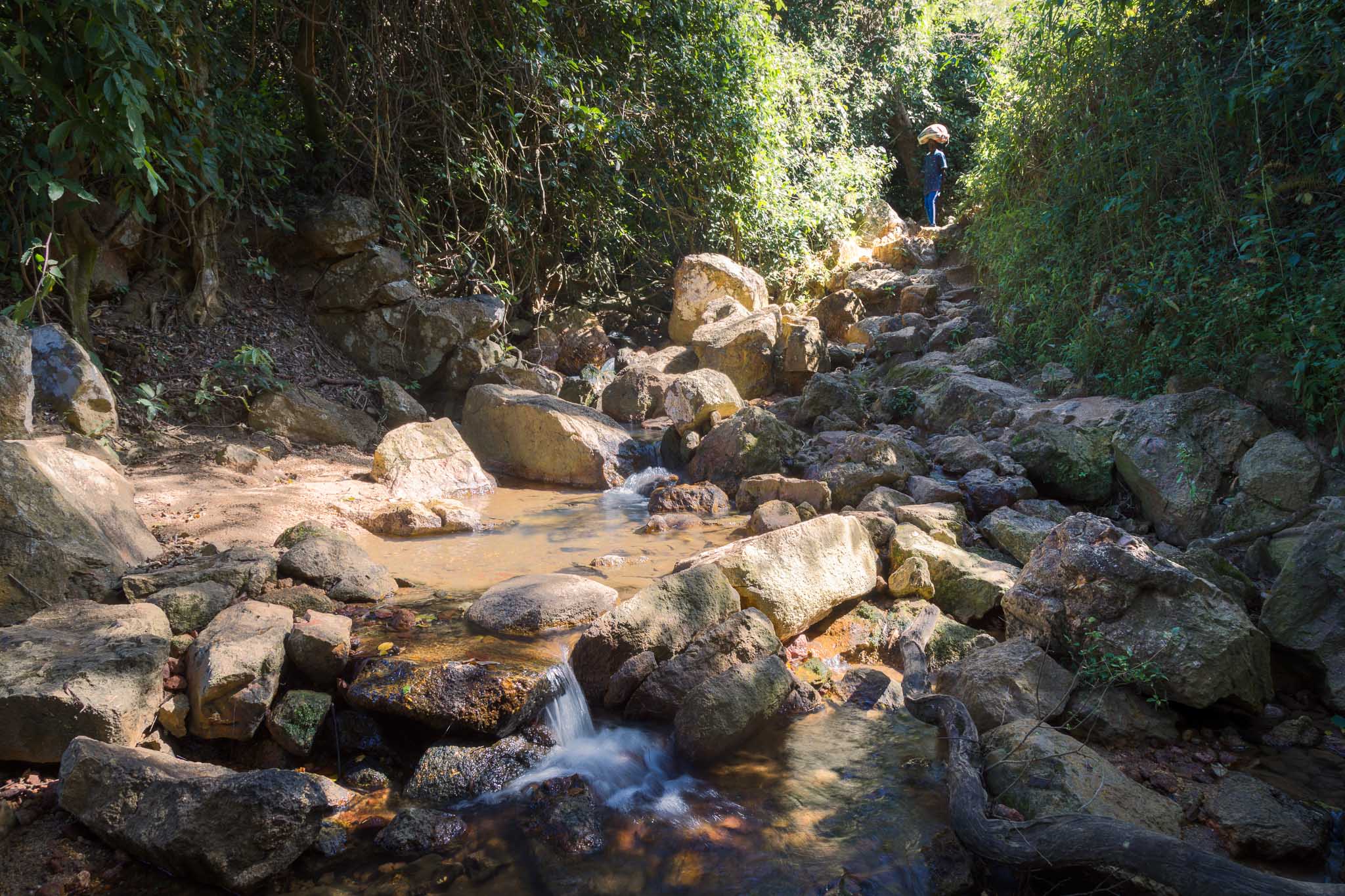
He slept in a vast cave, large enough for many people, and drank only from a special underground spring, Udong Katagwan—still used by villagers today. The “fridge” of Katagwan, as it’s called, is a cool, cobweb-filtered spring at the foot of the hills. He kept his grains in a silo and had a local grindery with over eighty grindstones for his people, so they would not have to go far from him.
Katagwan came to this land with three companions—Ambrai, Tabie, and a housekeeper—each given a region to protect. He established four clans: Kagwan, Kanyai, Apii, and Kunkwud. The size of the holes he left represented the size of these clans.
The Final Act of Humility
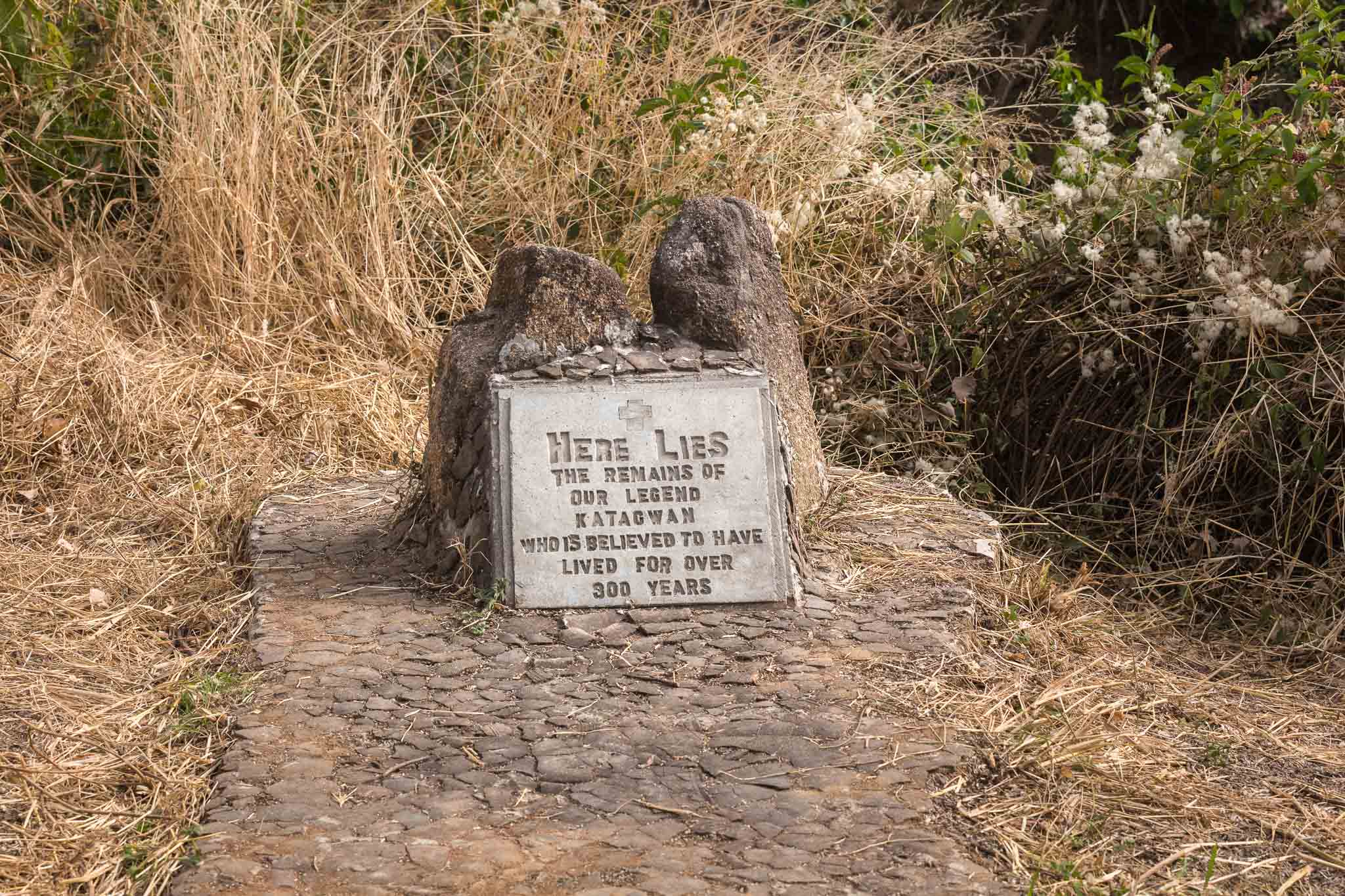
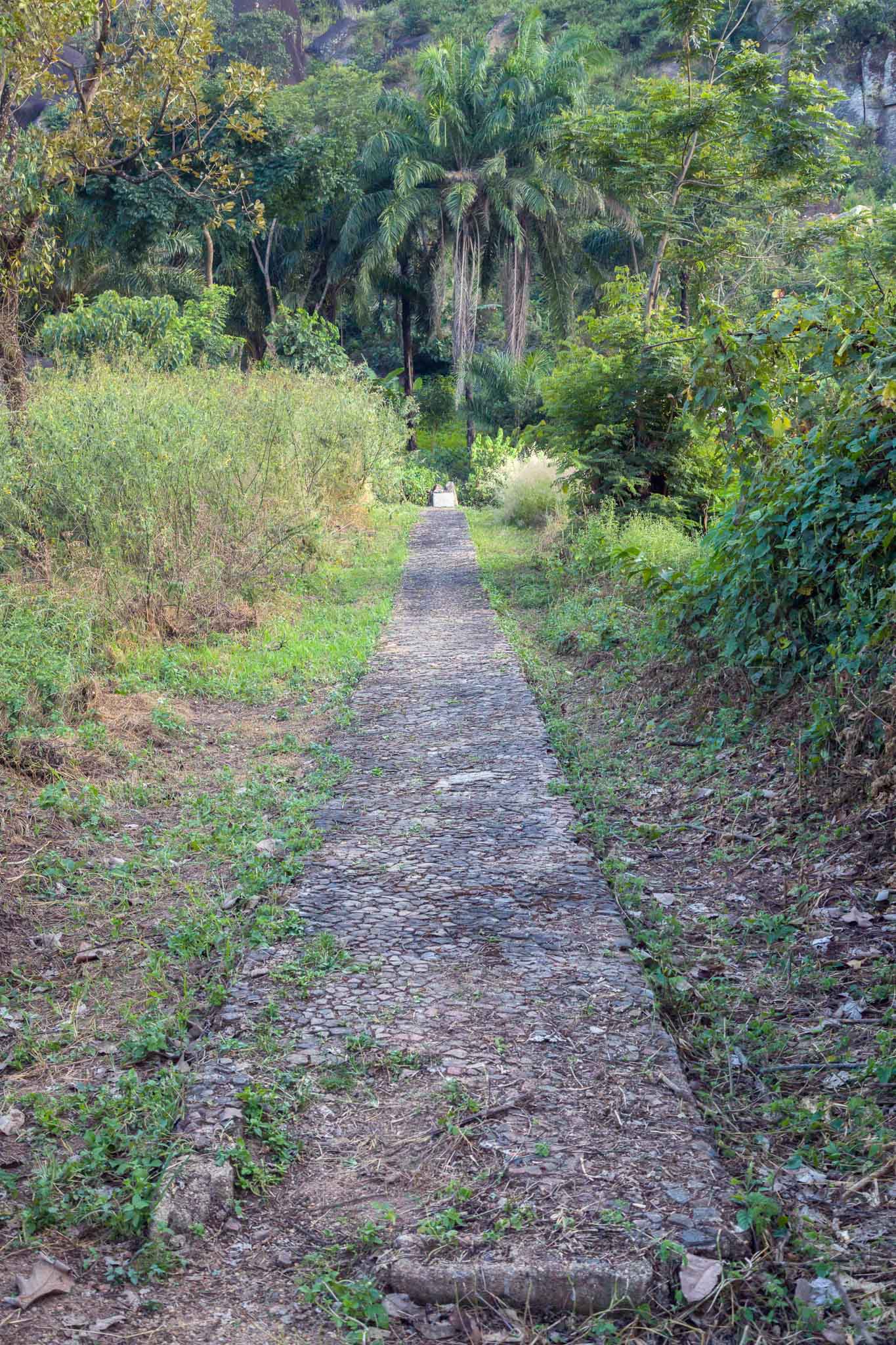
In a final act of humility, Katagwan dug his own grave, leaving handprints in the earth. His grave, 44.6 metres long and 1.1 metres wide, was dug underground with holes to allow him to remove the soil. When illness came, he peacefully lay down and passed away in his self-made resting place. Tabie and the others covered the grave with traditional clay pots, not cement, to honour ancestral customs. Today, the Kagwan clan proudly carries on his legacy, and the community hopes to build a tomb to protect this site and share it with the world.
A Living Legacy
Katagwan’s story is more than a legend—it is a living reminder of the power of justice, unity, humility, and compassion. As a true Nigerian giant, his legacy endures in the hearts of the Kagwan clan and the people of Kagoro. His footprints, carved into the hills, and his acts of fairness and courage continue to inspire all who hear his story.
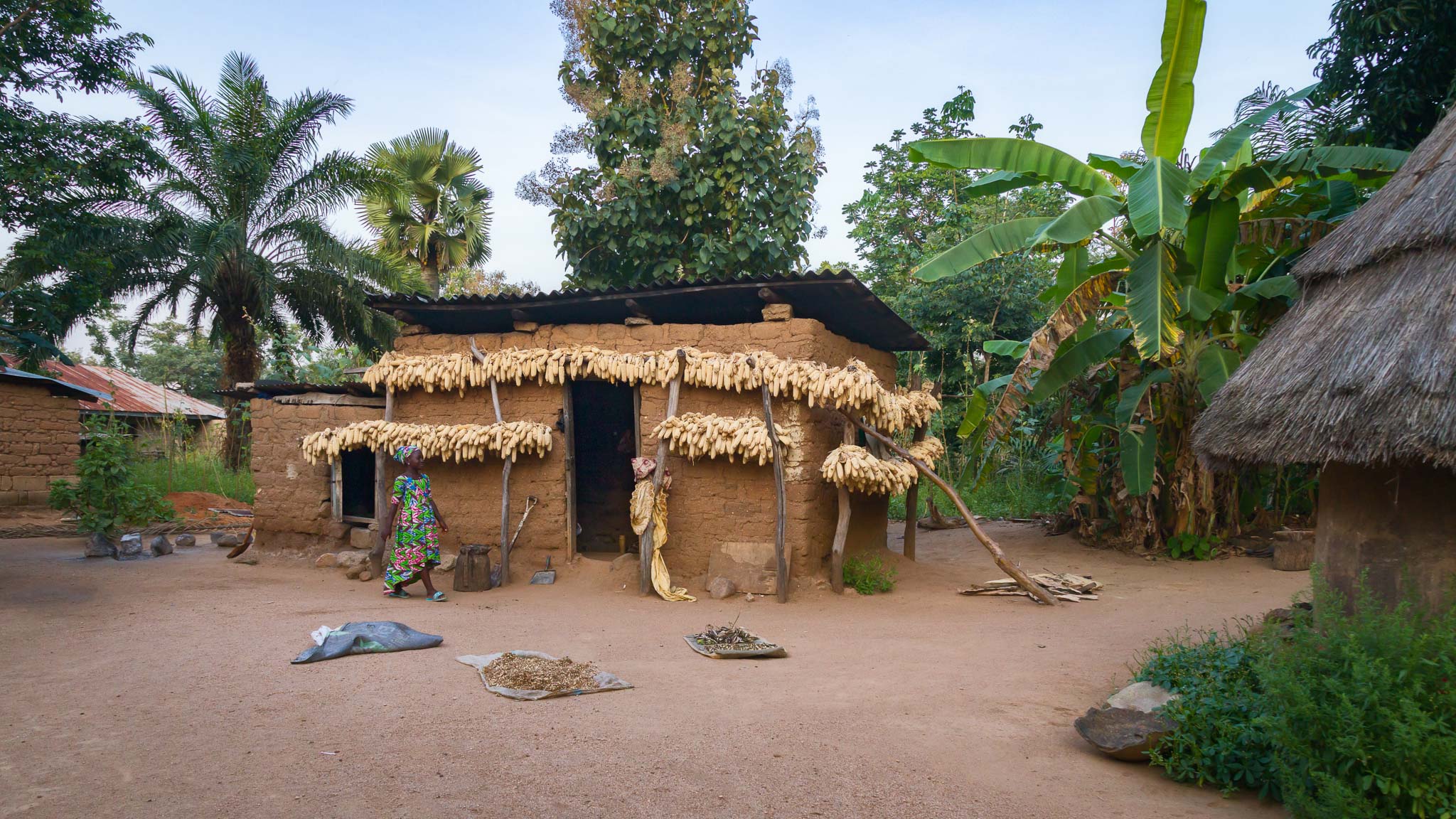
The communities of Dusai and Kagwan welcome visitors and aim to develop the site into a place of learning and unity for future generations.
For detailed image descriptions, licensing, or print purchases, please visit my Photoshelter Gallery.