
Queen Amina - Legend, Legacy, and the Lost City of Turunku
Words and images by Irene Becker
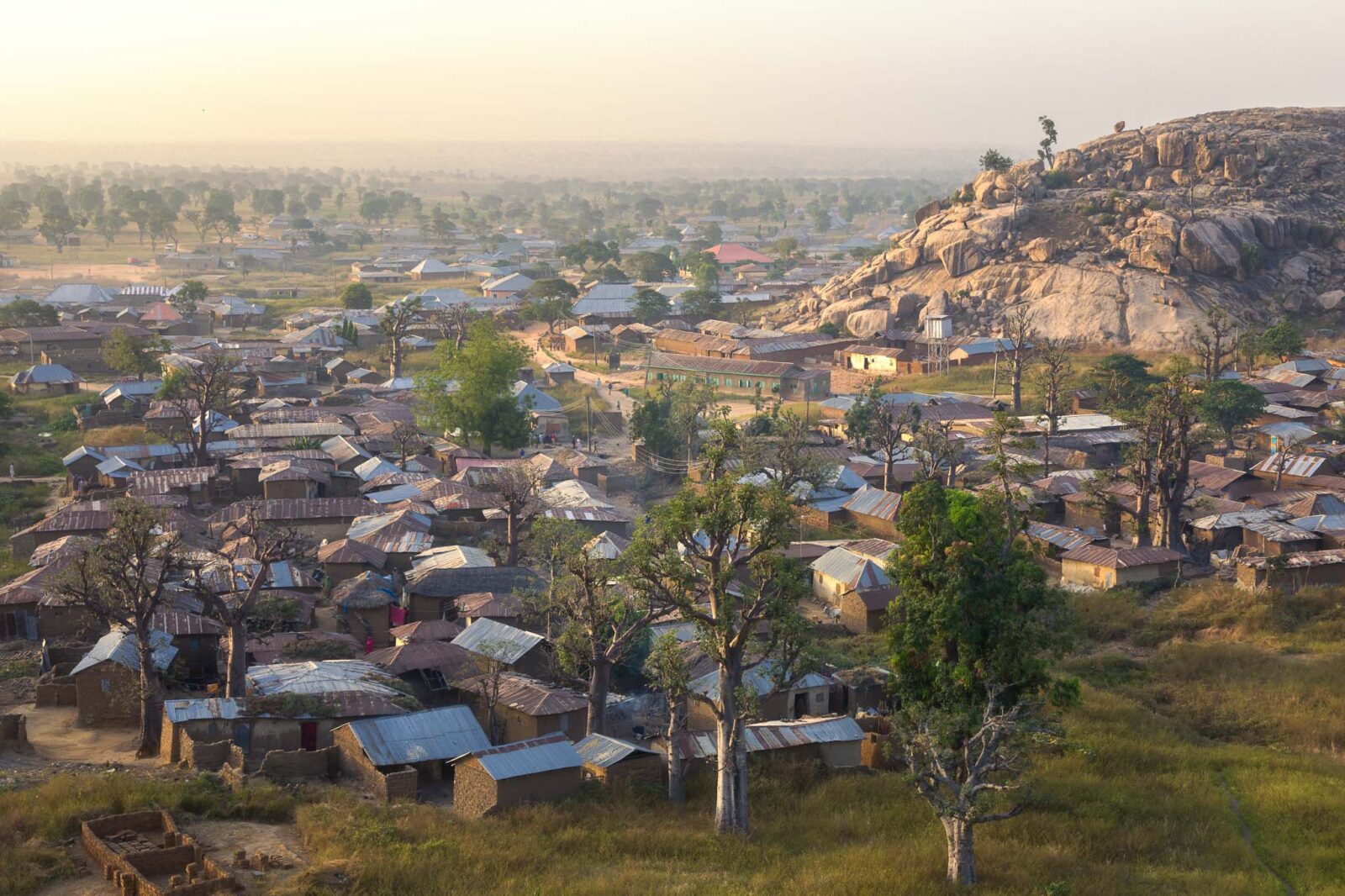
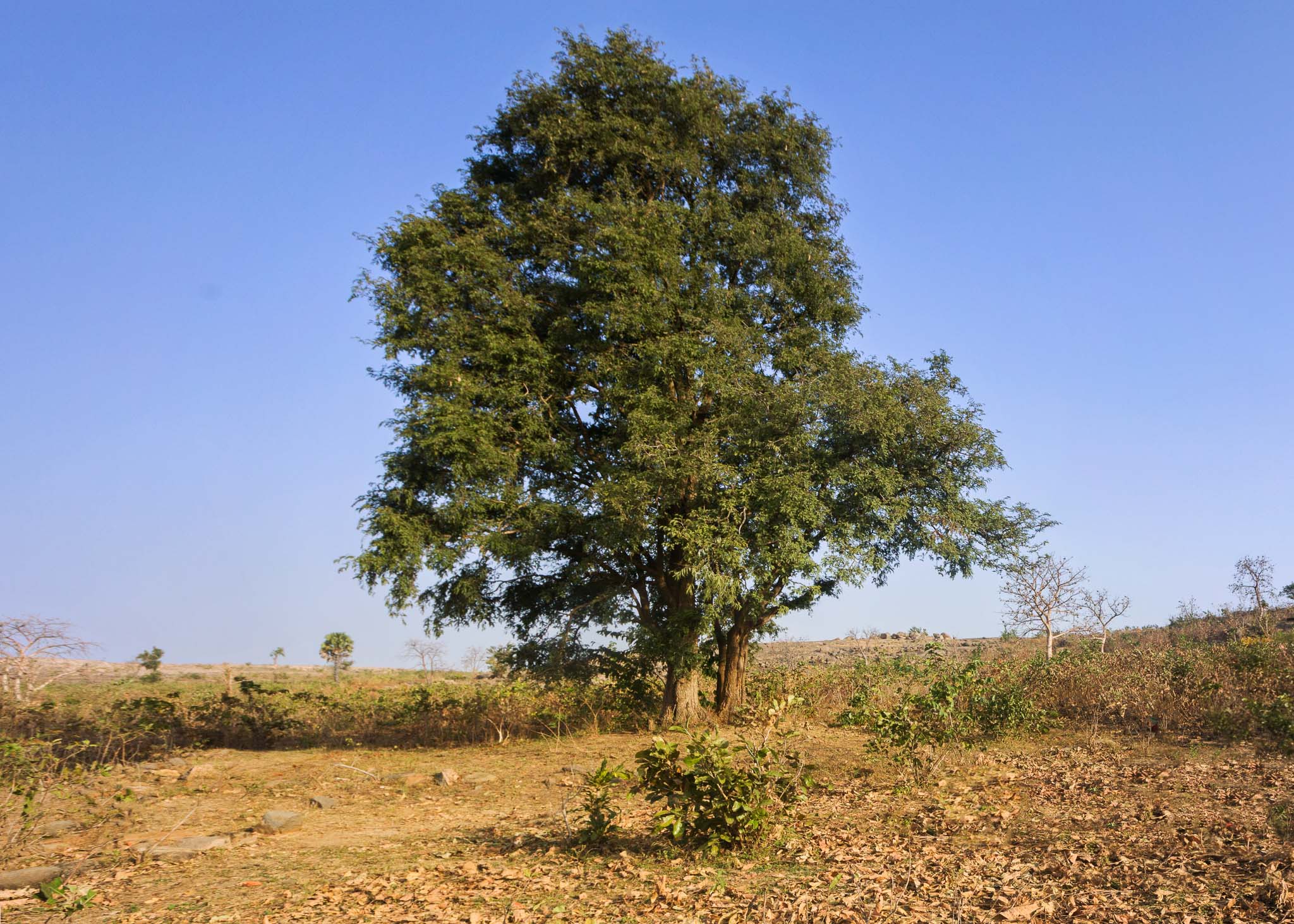
Turunku village at dawn—the heart of ancient legends and the birthplace of Queen Amina.
Queen Amina is a legendary queen from northern Nigeria. Her life began in Turunku, a village in Kaduna State. Today, Turunku is often called the lost city of Queen Amina. Her story shaped the identity of Zazzau and inspired generations.
Queen Amina – the Warrior of Zazzau
Queen Amina (also known as Aminatu), born around 1533, is a name that echoes through the centuries of northern Nigerian history. Whether remembered as a queen, princess, or legendary warrior, her story is inseparable from the identity of Zazzau (now Zaria) and the wider Hausa region. Raised in the royal court by her grandfather, Amina was favoured and carefully instructed in the arts of politics and war. By sixteen, she was named Magajiya (heir apparent), already celebrated for her courage and leadership.
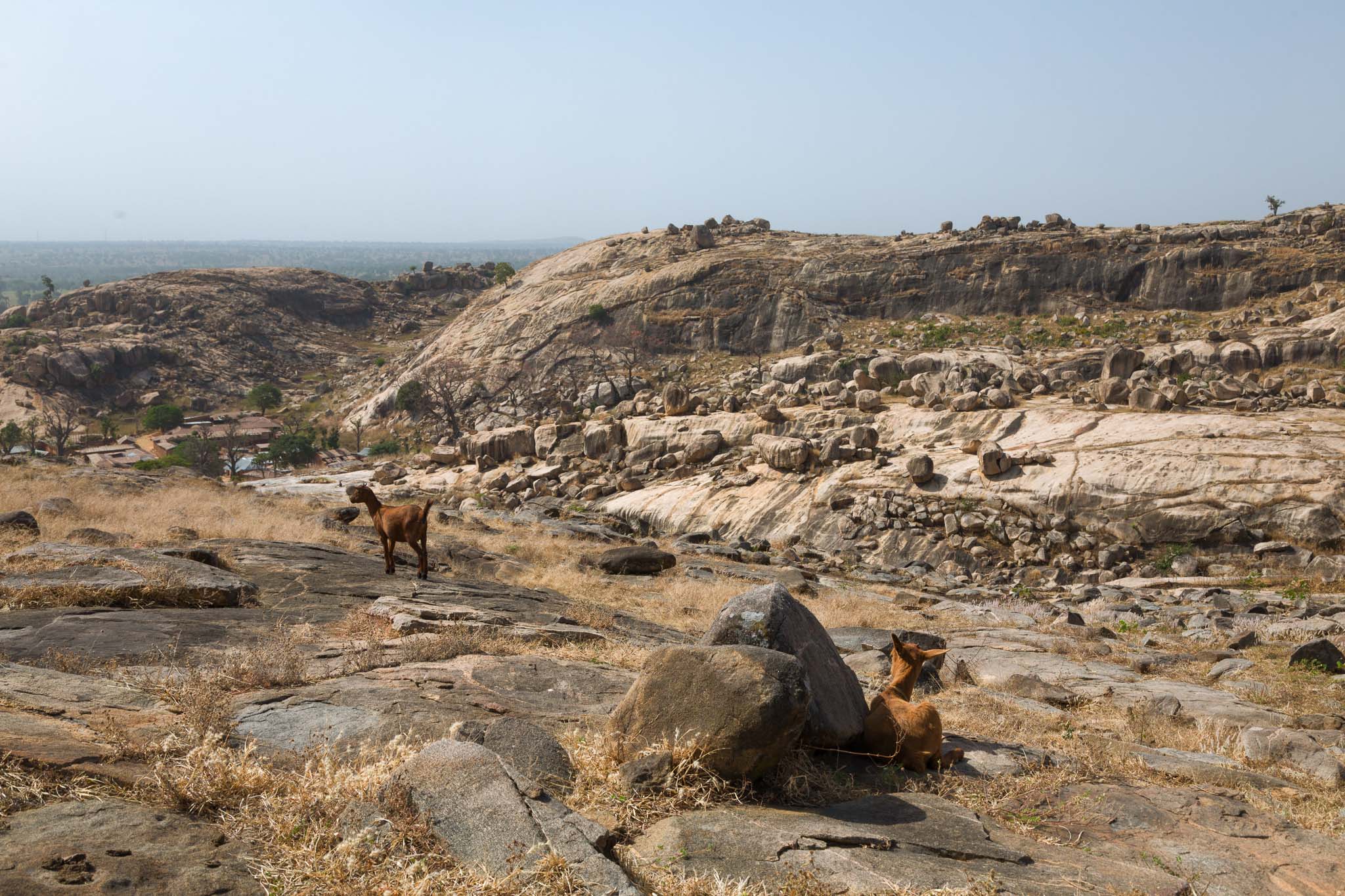
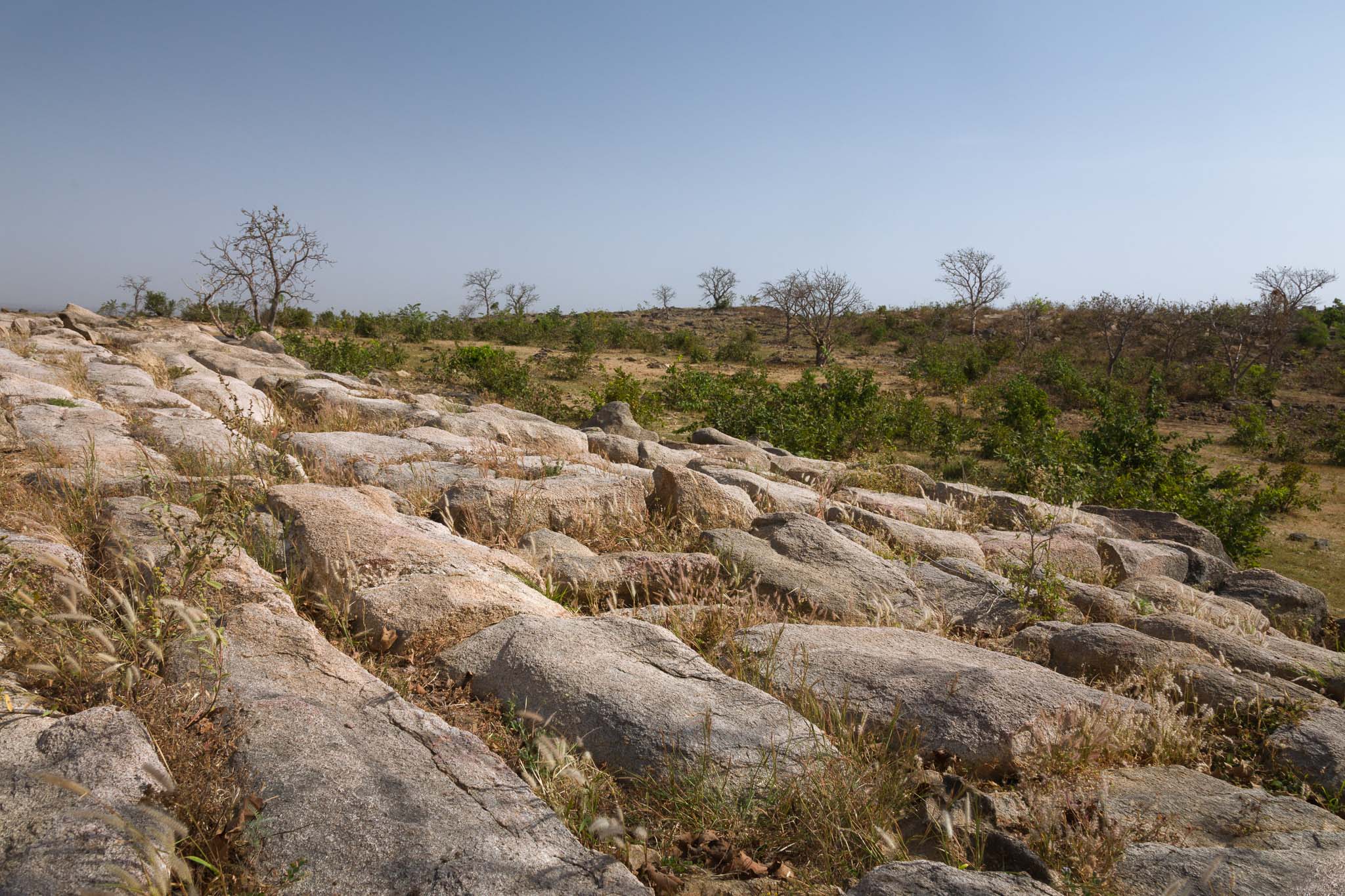
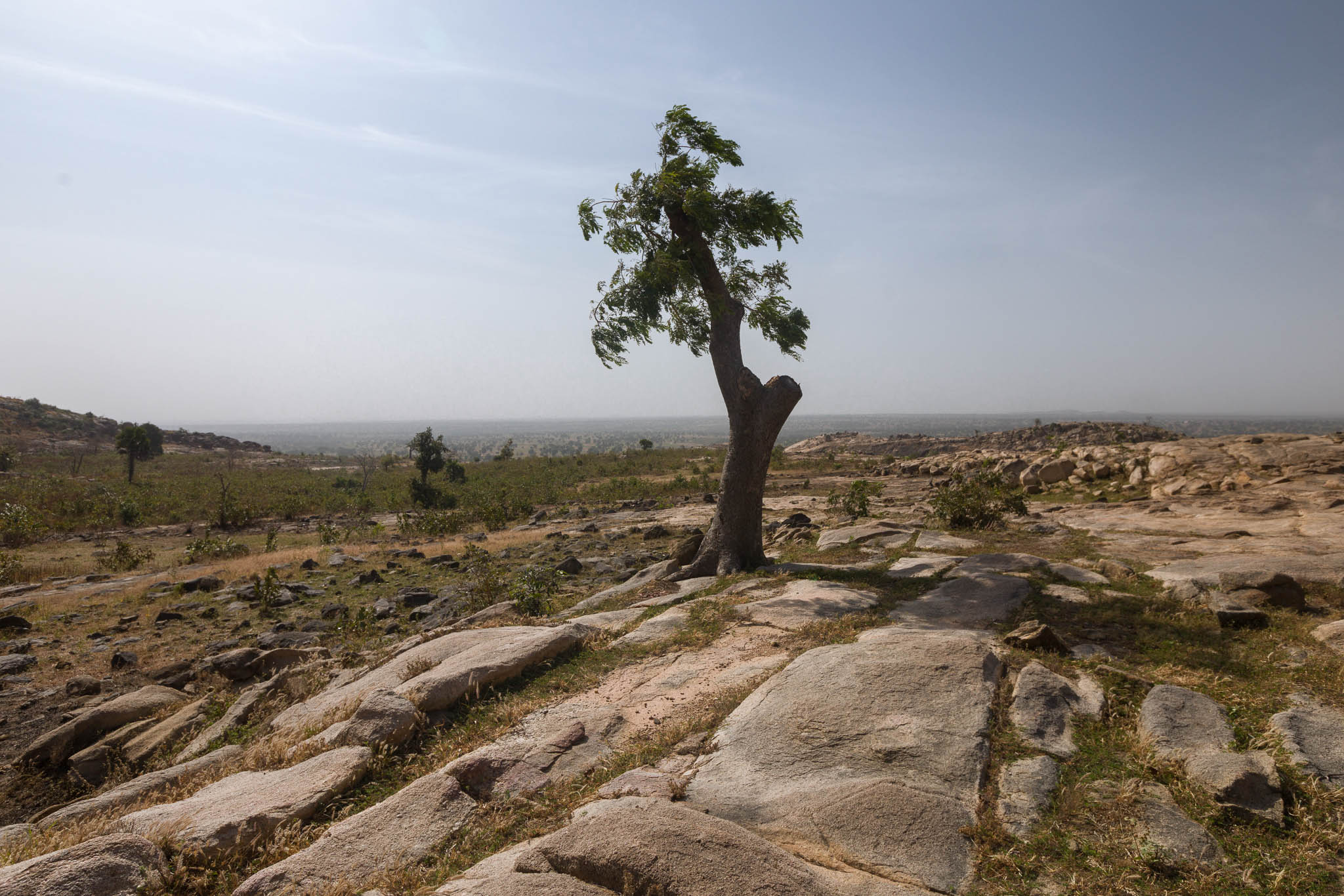
The hills surrounding Turunku, where history and myth intertwine
Early Life and Rise to Power
Amina was born around 1533. She was the daughter of King Nikatau and Queen Bakwa Turunku. As a child, she learned about politics and war from her grandfather. By sixteen, she became Magajiya, or heir apparent. People admired her courage and leadership.
Amina’s Military Campaigns
After her brother’s death in 1576, Amina became queen. She led an army of 20,000 foot soldiers and 1,000 cavalry. Her campaigns lasted 34 years. She built earthen walls, known as “ganuwar Amina,” around many cities. These walls still stand today.
Queen Amina – Myths, Power, and Controversy
The stories of Queen Amina are as varied as they are dramatic. Some say she was the first to establish government among the Hausa, extracting tribute from far and wide. Others recall her as a woman of uncompromising strength, taking new lovers in each conquered town—each meeting an unfortunate fate to protect her secrets. Praise songs still celebrate her as “Amina daughter of Nikatau, a woman as capable as a man that was able to lead men to war.”
Yet, the historical record is full of contradictions. Chronicles disagree on the dates of her reign and even on her true title—queen or princess. The exact circumstances of her death remain a mystery, with some traditions placing it at Idah, others at Vom Jos or Dekina. What is certain is her enduring reputation as a warrior, builder, and leader.
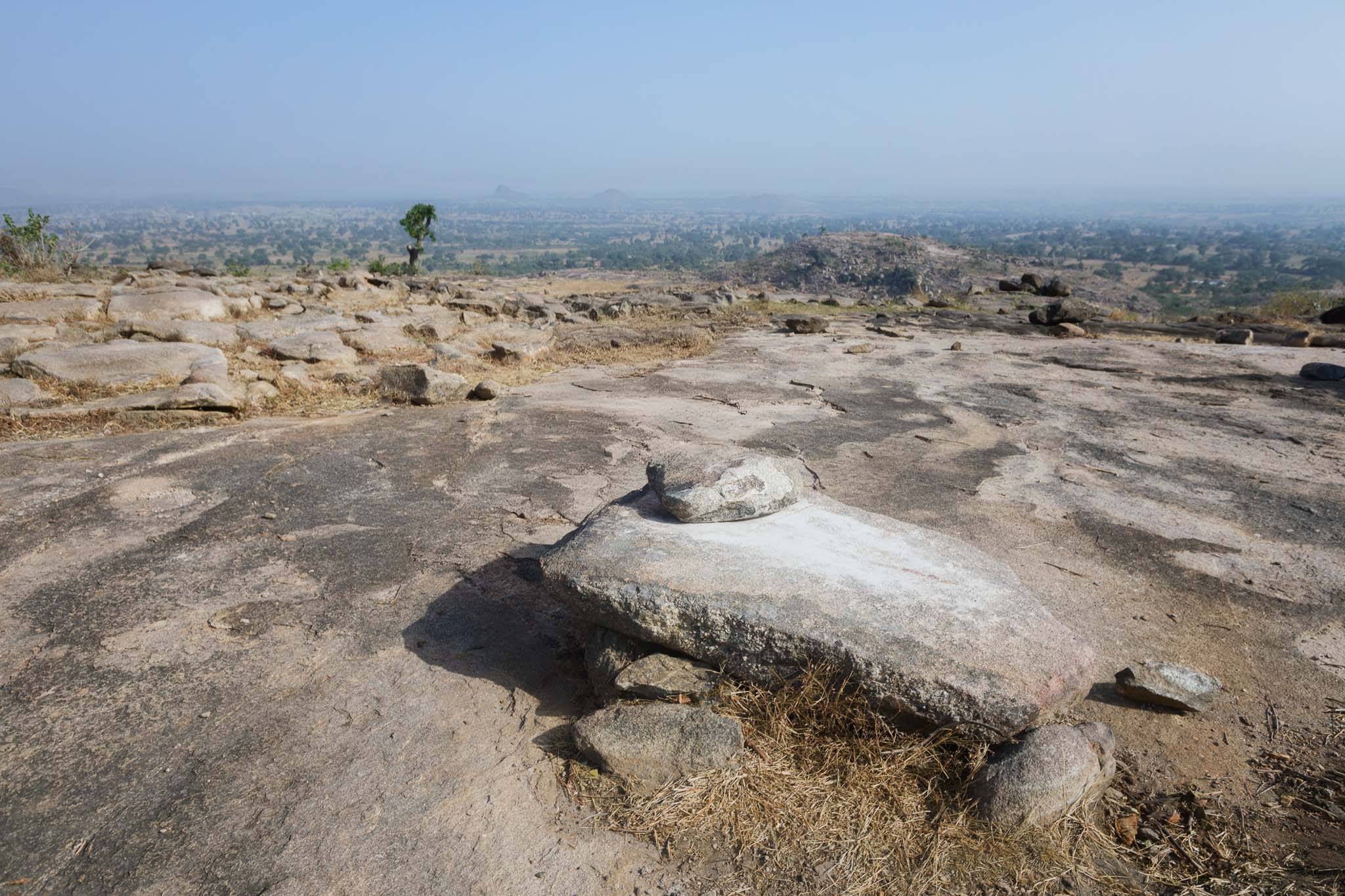
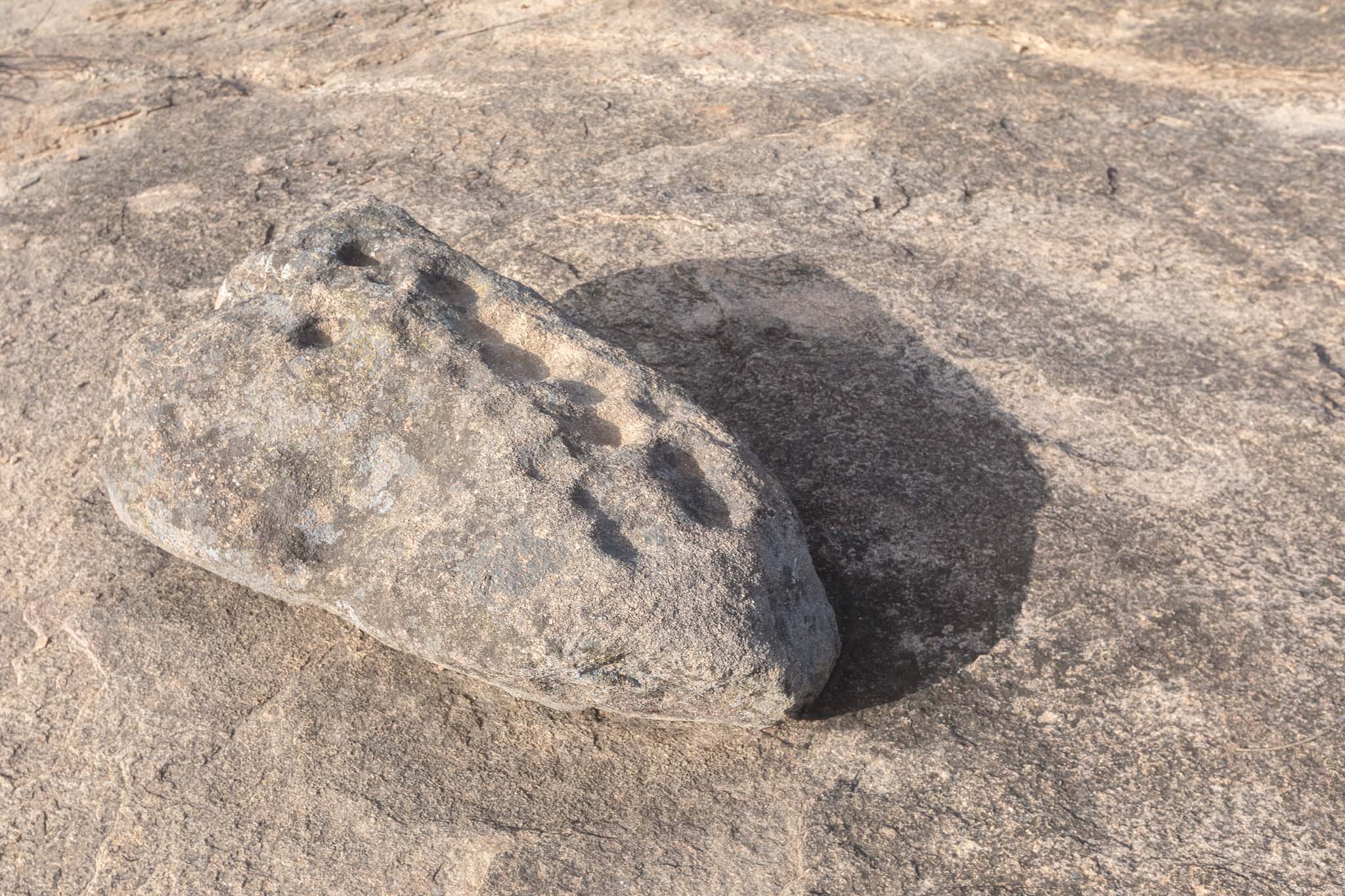
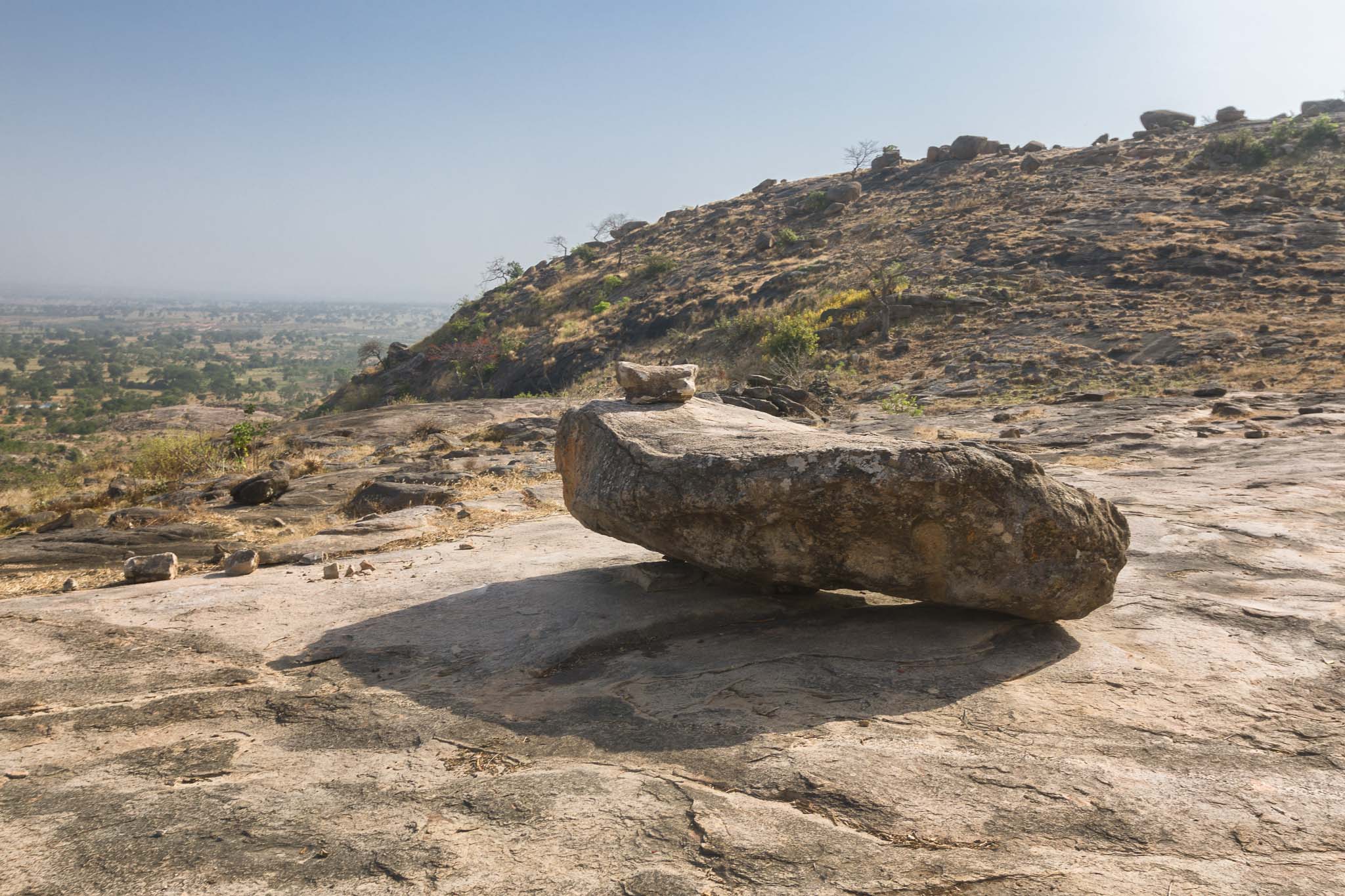
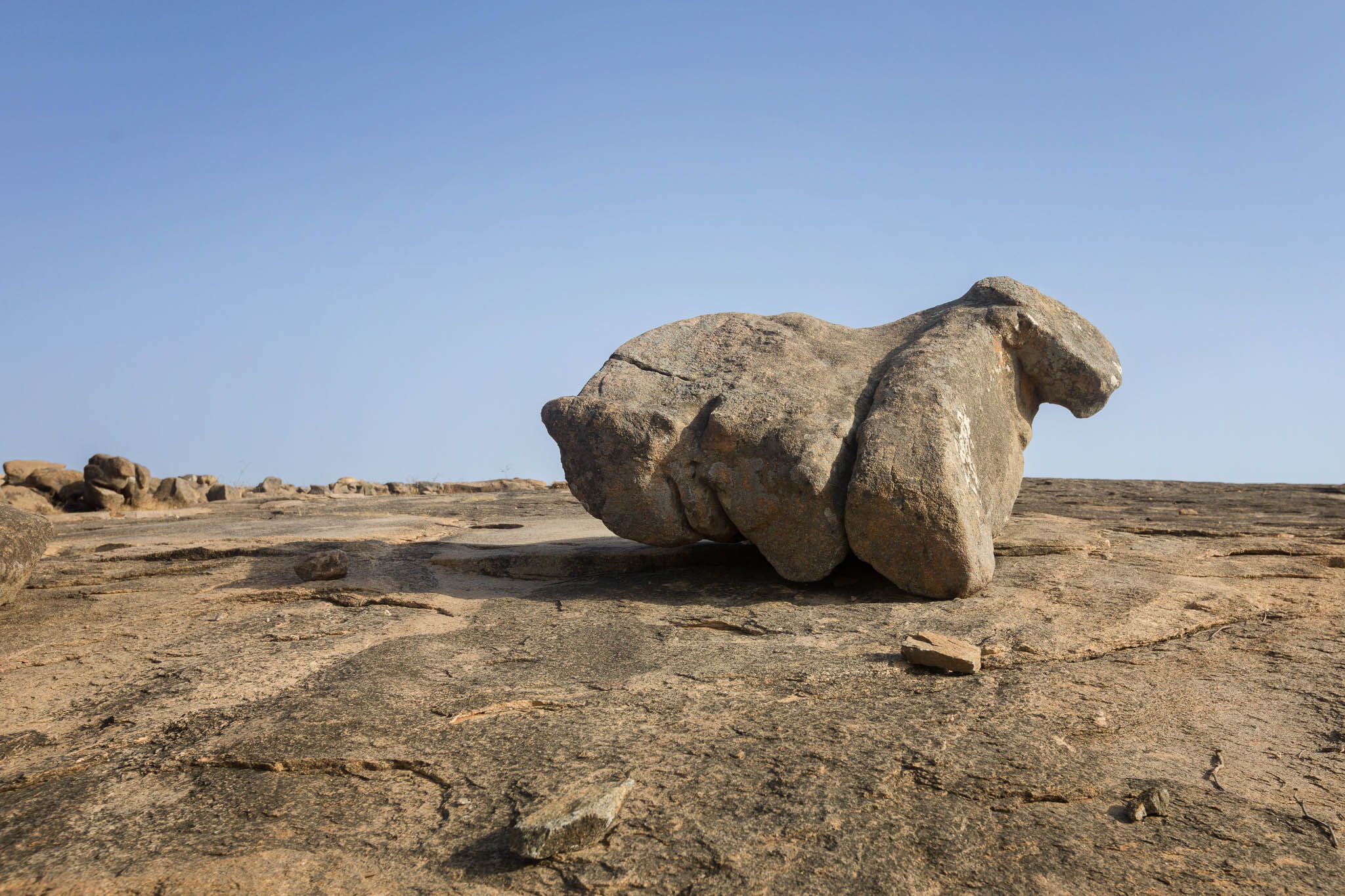
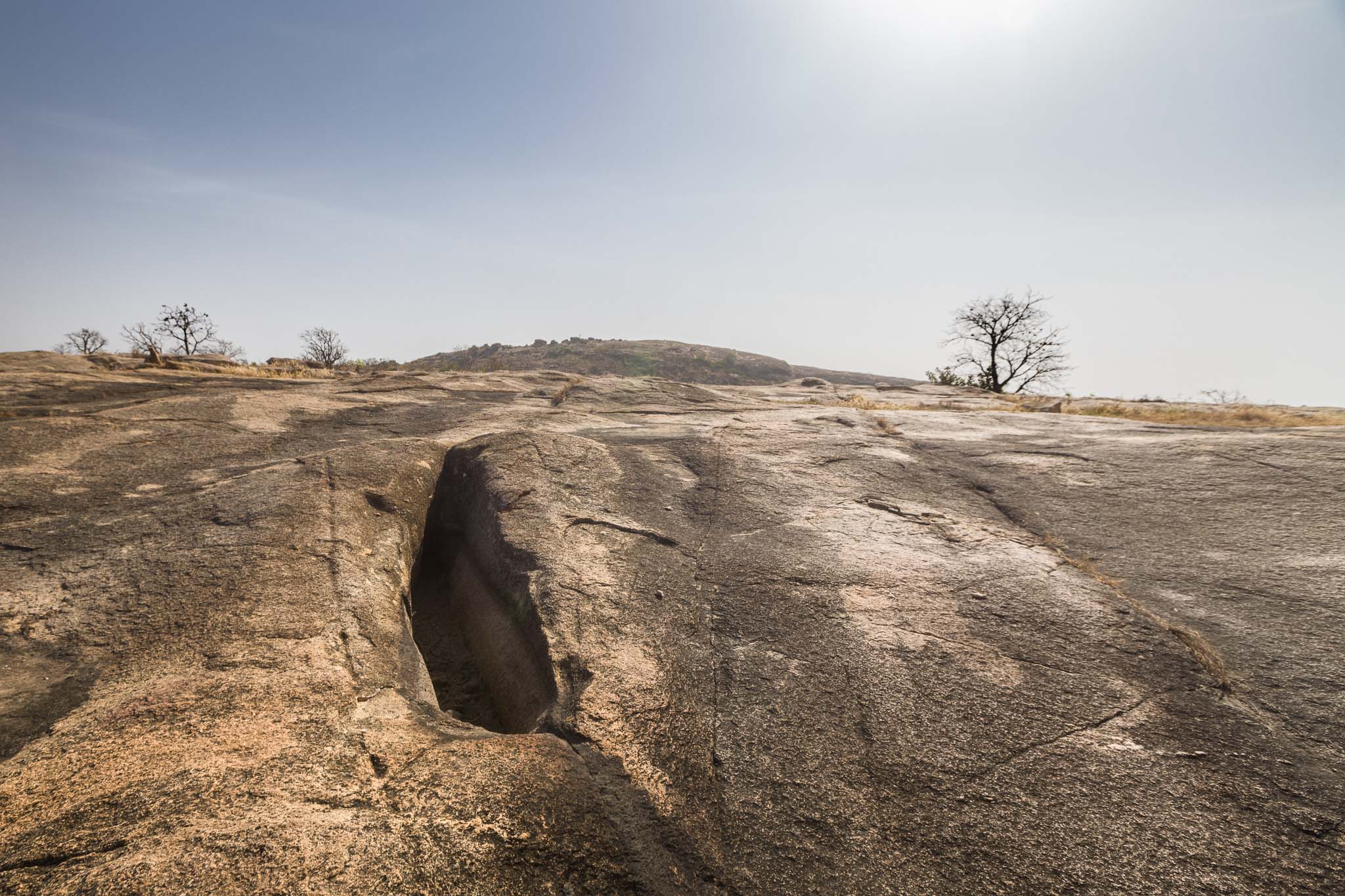
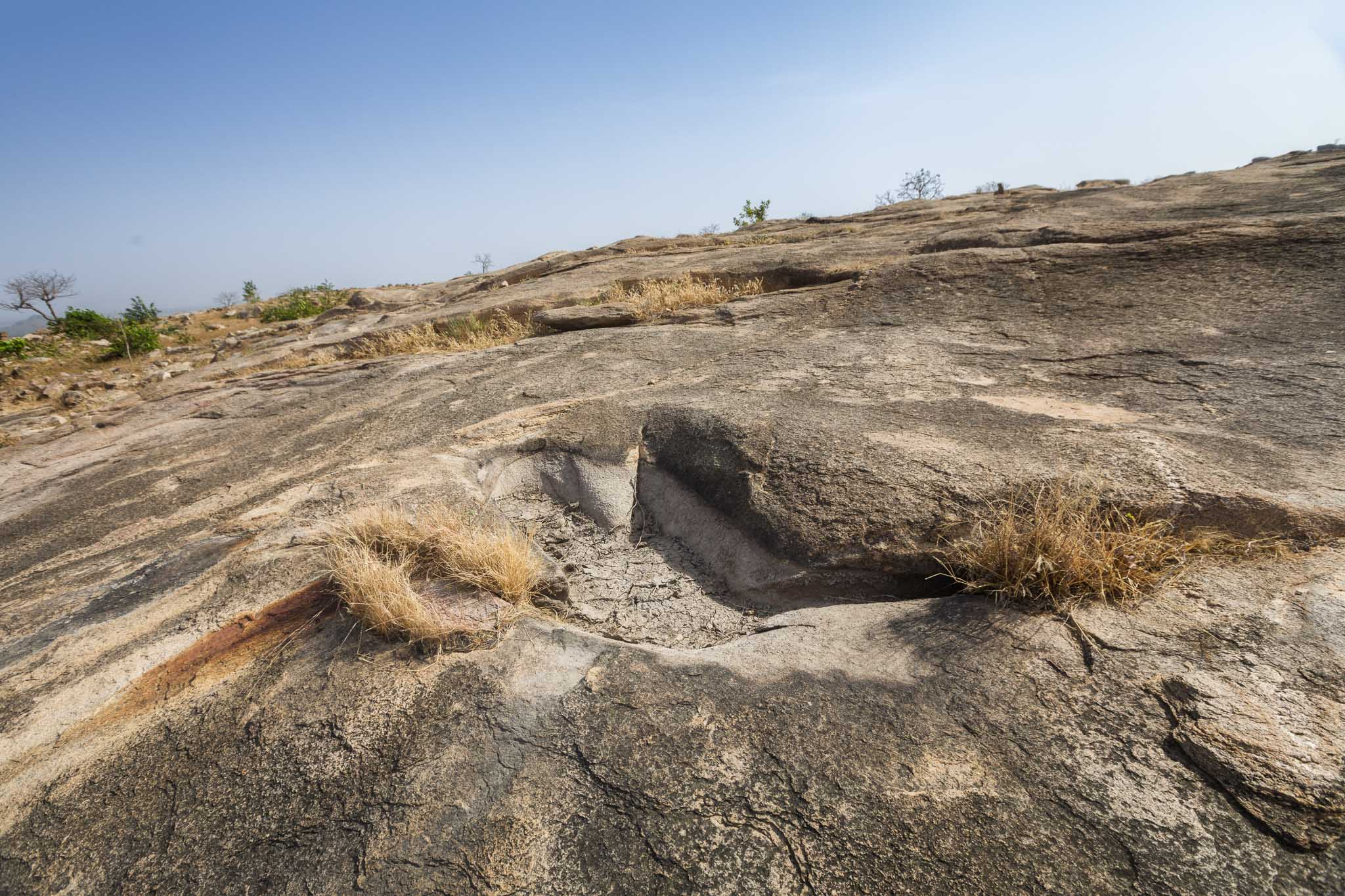
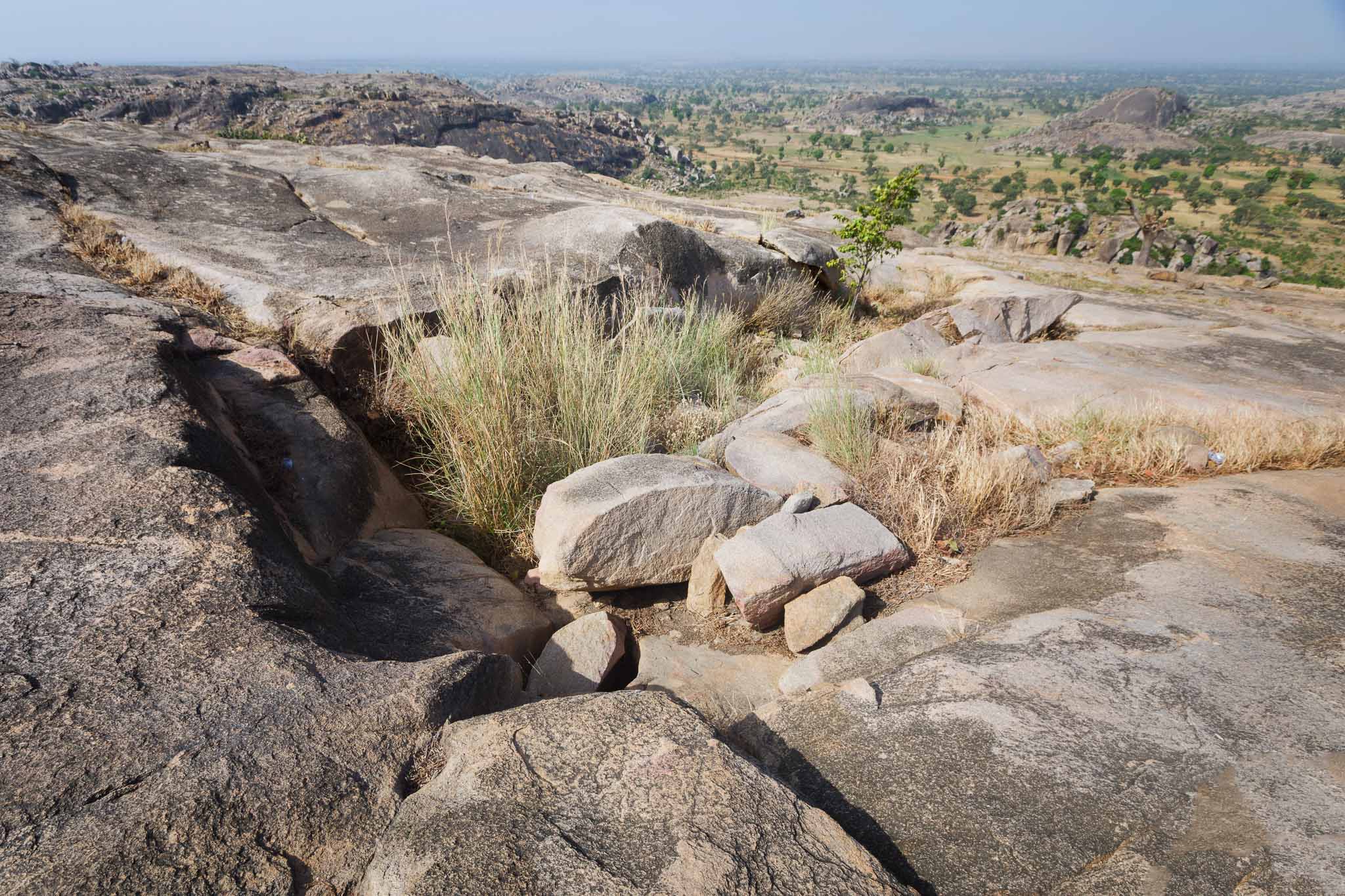
Remnants of the past—stones and wells said to be part of Queen Amina’s legacy
Did You Know?
Folklore & Fascinating Facts about Queen Amina and Turunku
- Amina’s Walls: Many northern Nigerian cities still have ancient earthen walls called “ganuwar Amina,” said to have been built on her orders to mark and protect her conquests.
- First Female Ruler: Some traditions celebrate Amina as the first woman to rule a Hausa kingdom, inspiring generations of women leaders.
- Heir Apparent at 16: At just sixteen, Amina was named Magajiya (heir apparent) and given forty female attendants.
- Ayo Board in Stone: At the base of Queen Amina’s mountain in Turunku, there’s a large stone with holes—an ancient game board (ayo) where the queen and her companions are said to have played.
- The Poison Mortar: On the mountain in Turunku, a stone mortar was used to prepare poison for war arrows, a relic still shown by local guides.
- The Snake’s Cave: Locals tell of a giant snake that lived in a cave near the queen’s seat, only emerging on Sundays until a journalist once photographed it.
- Amina’s Army: Oral tradition claims she commanded 20,000 foot soldiers and 1,000 cavalry—an extraordinary force for her time.
- Unmarried Warrior: Folklore claims Amina never married, instead taking temporary companions from among her vanquished foes.
- Amina’s Strategic Genius: She is credited with establishing trade routes across northern Africa and introducing kola nut cultivation to Hausaland.
- No Written Records: Much of Amina’s story survives through oral history, as her name is missing from some official regnal lists and chronicles.
- Amina’s Throne Stones: Local lore says she had stone seats at both the northern and southern entrances to Turunku, where she could watch for enemies.
- The Hidden Tunnel: Dutsen Boyewa, a stone covering an underground tunnel, was used to hide children during times of war.
- Amina’s Sister: After water became scarce in Turunku, Amina’s younger sister, Zaria (also called Amamatu), founded the city now known as Zaria.
- A Village of Guides: With little government support, Turunku’s villagers act as unofficial guides, keeping the stories alive for visitors.
- A Place of Peace: Despite its warrior legacy, Turunku is known today for its hospitality and peacefulness—a place where visitors are welcomed as family.
Turunku: The Lost City
Turunku was once the heart of Queen Amina’s empire. Now, it is a quiet village. Stones, wells, and ruins remind us of its past glory. However, neglect and time threaten to erase these stories. The people of Turunku still act as guides, sharing their history with visitors.
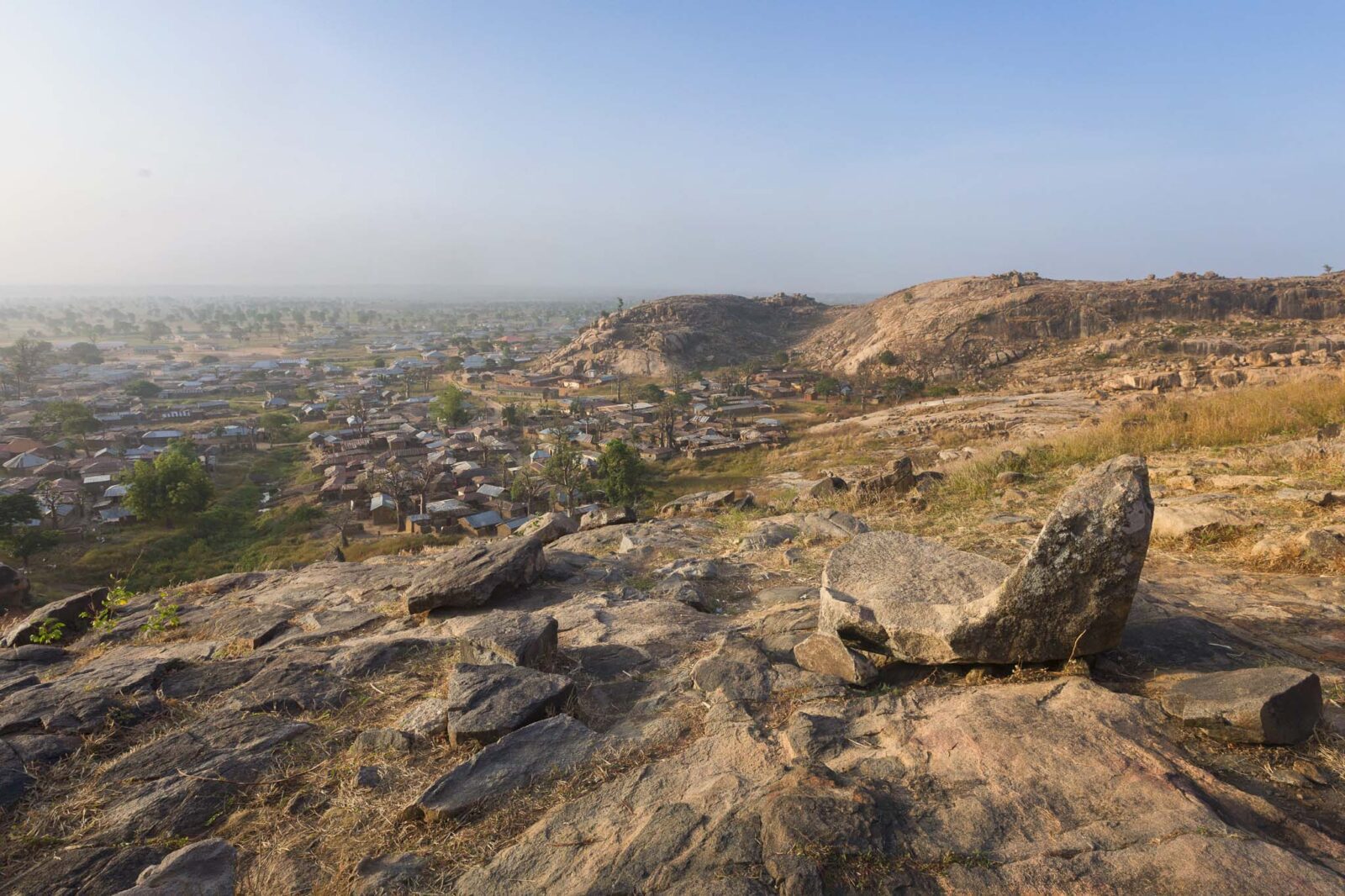
Queen Amina’s Stone Seat Overlooking Turunku Village – Wide-Angle Dawn View
Why Queen Amina’s Legend Matters
Queen Amina’s story shows what women can achieve. Her courage and vision changed history. Today, her legend inspires people across Nigeria and beyond. Protecting her story and Turunku’s heritage is important for future generations.
For detailed image descriptions, licensing, or print purchases, please visit my Photoshelter Gallery.