
Is Attakar Pottery a Vanishing Heritage Craft in Nigeria?
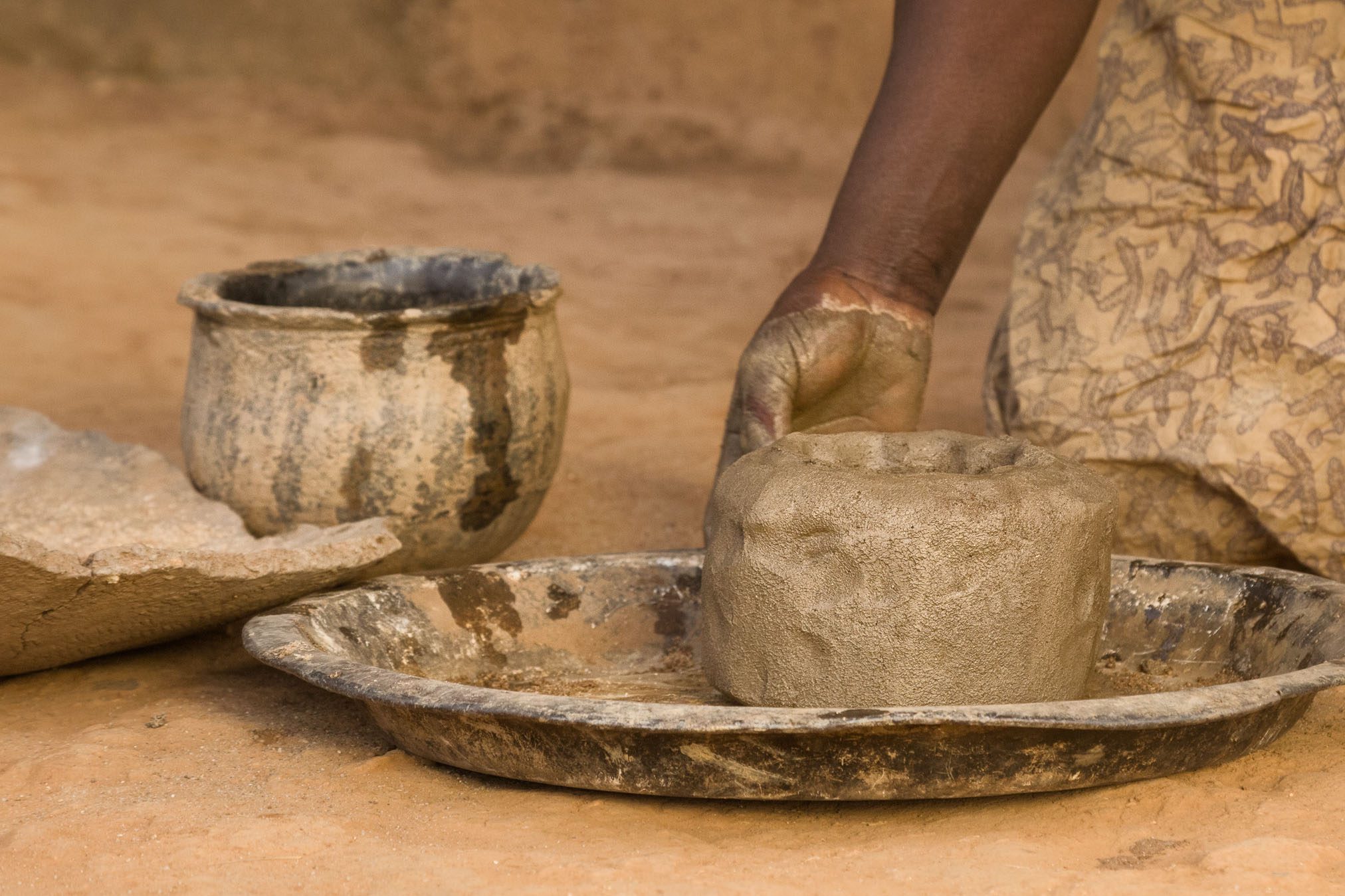
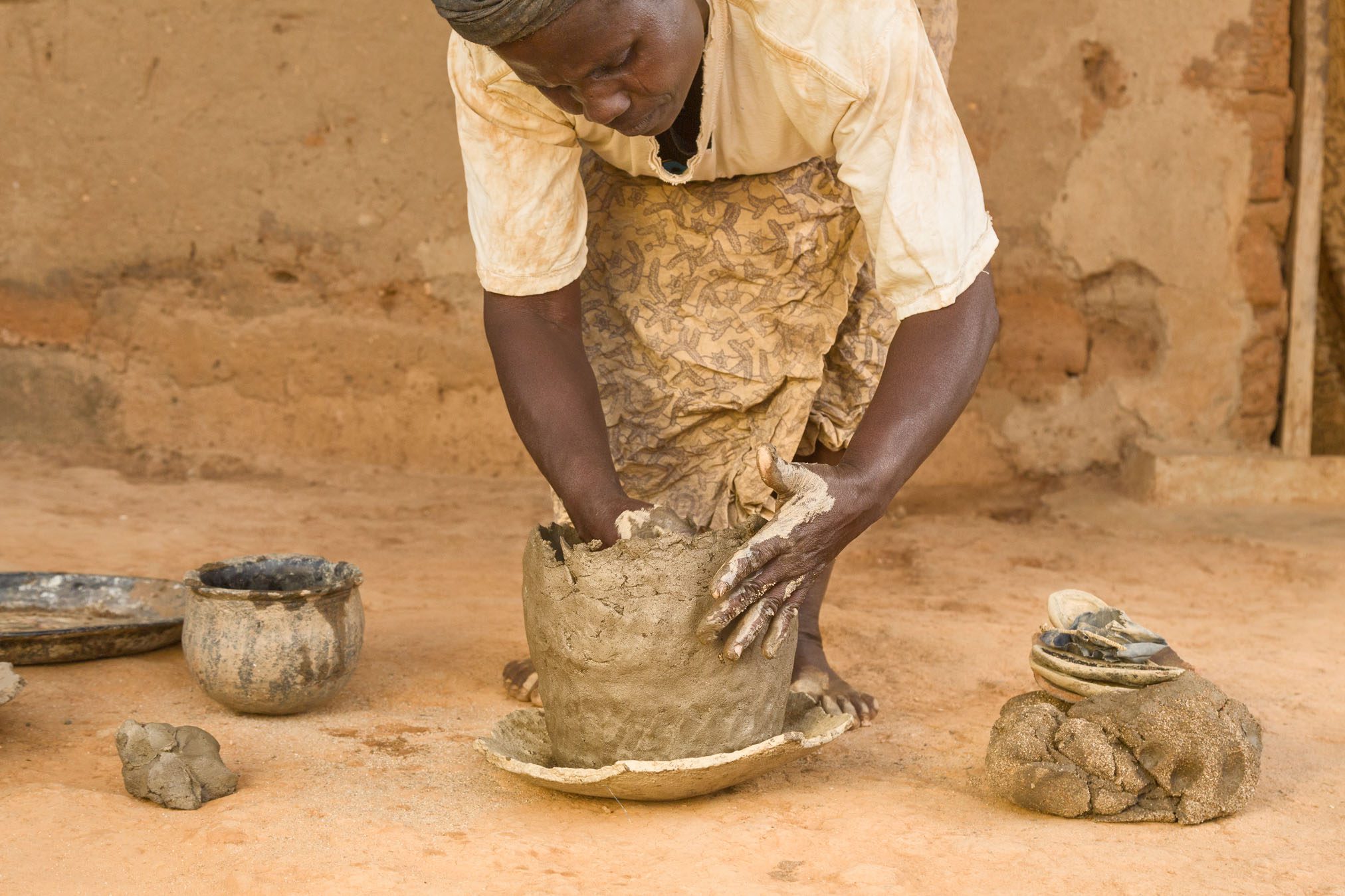
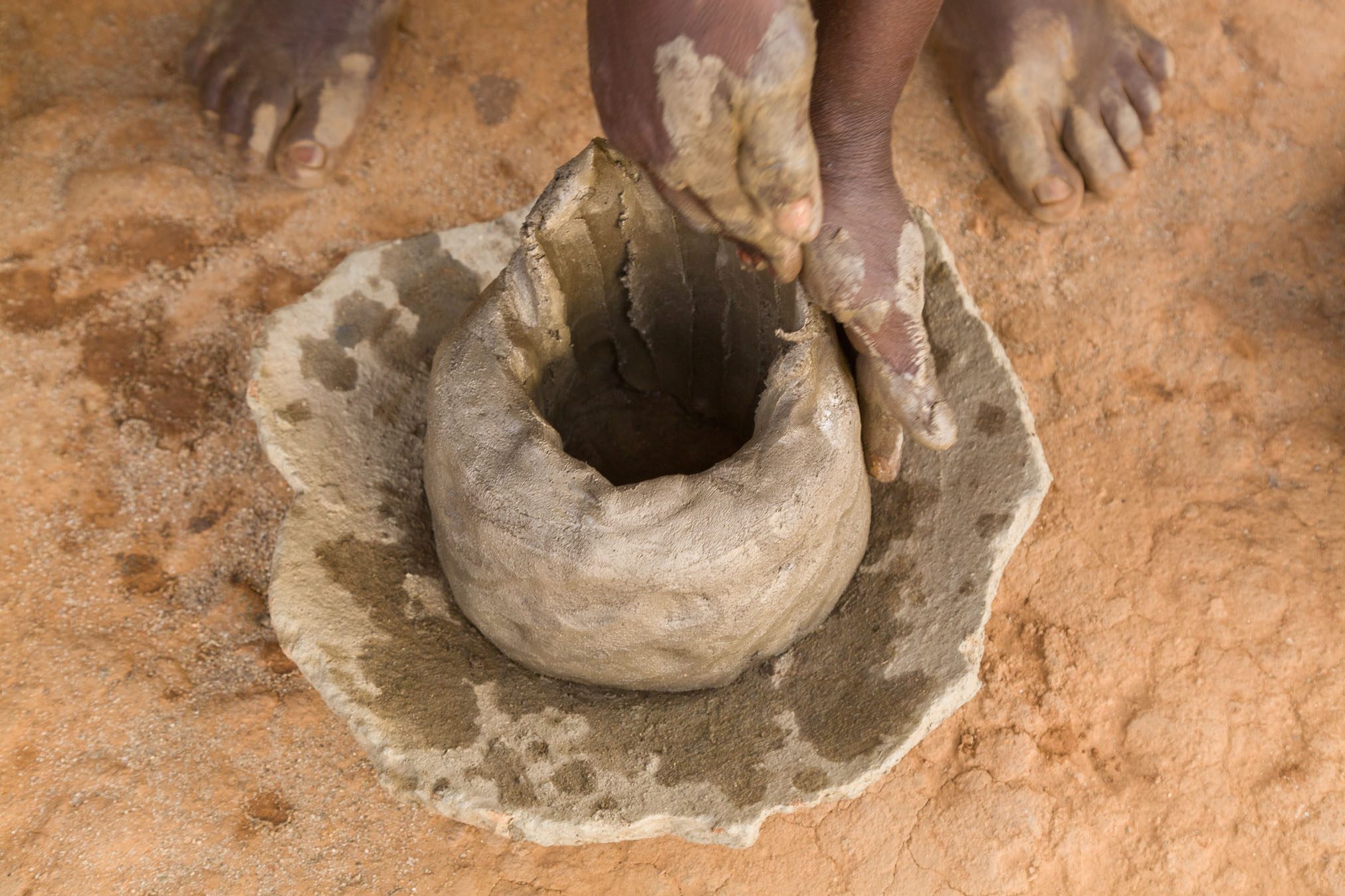
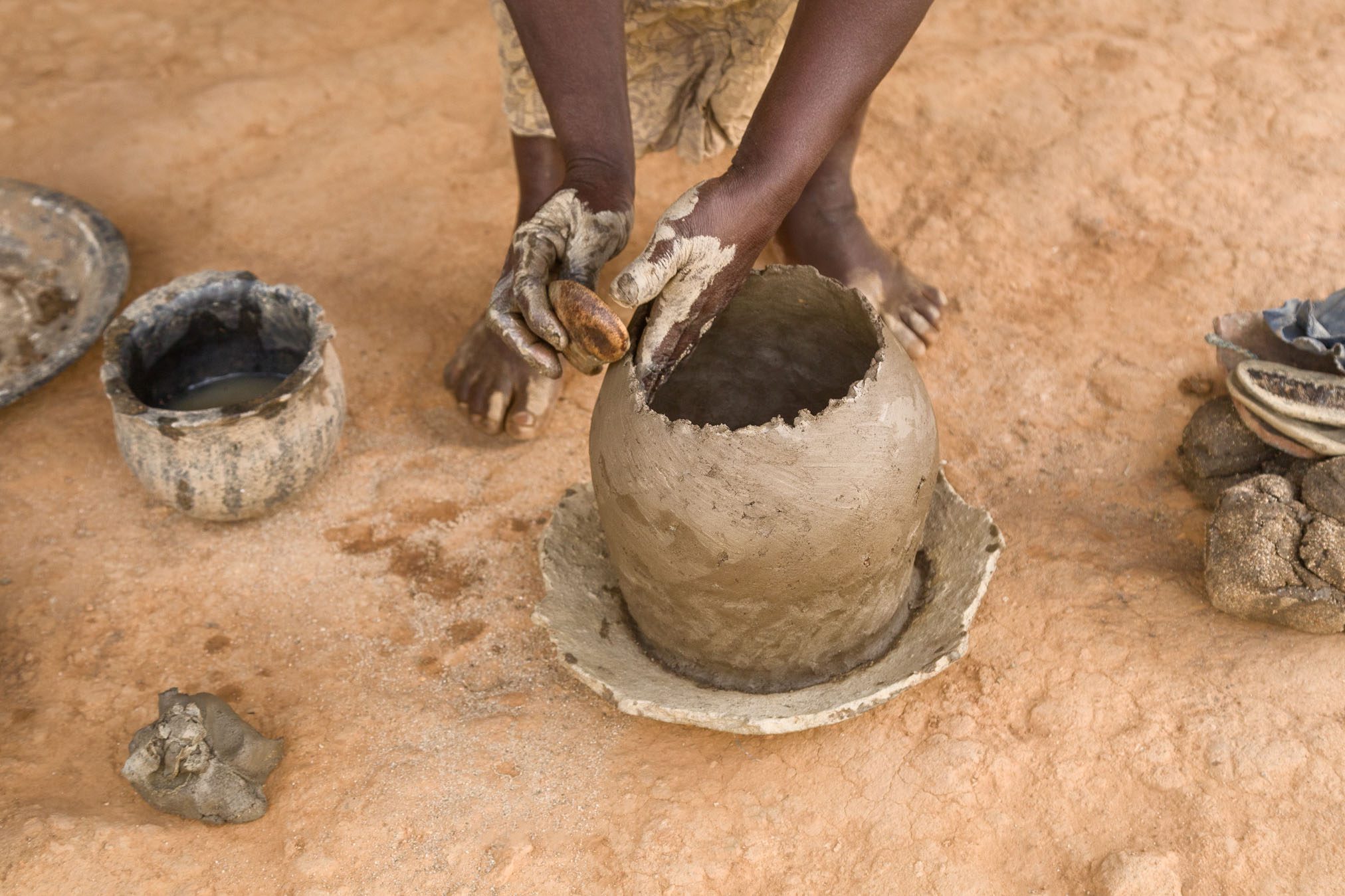
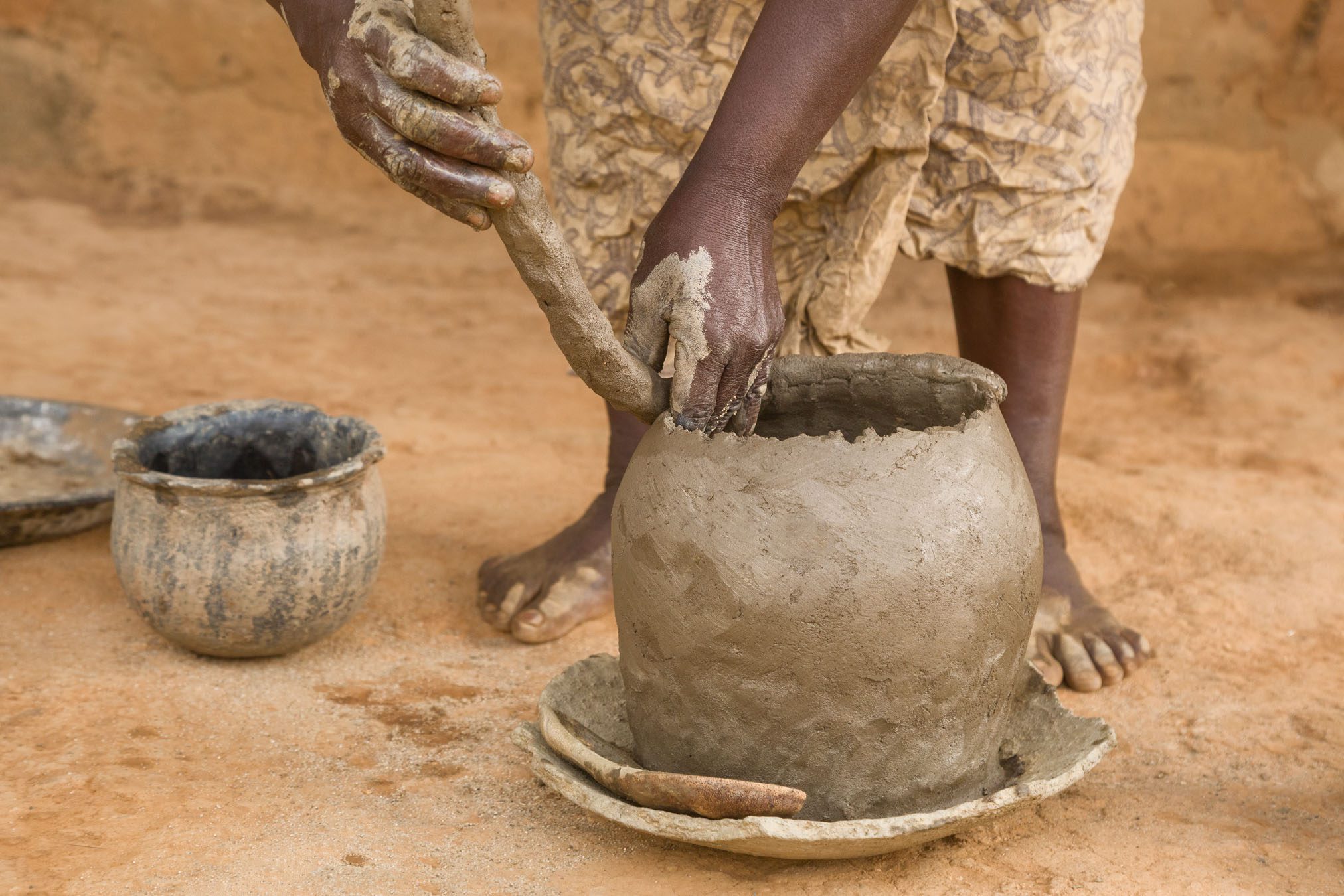
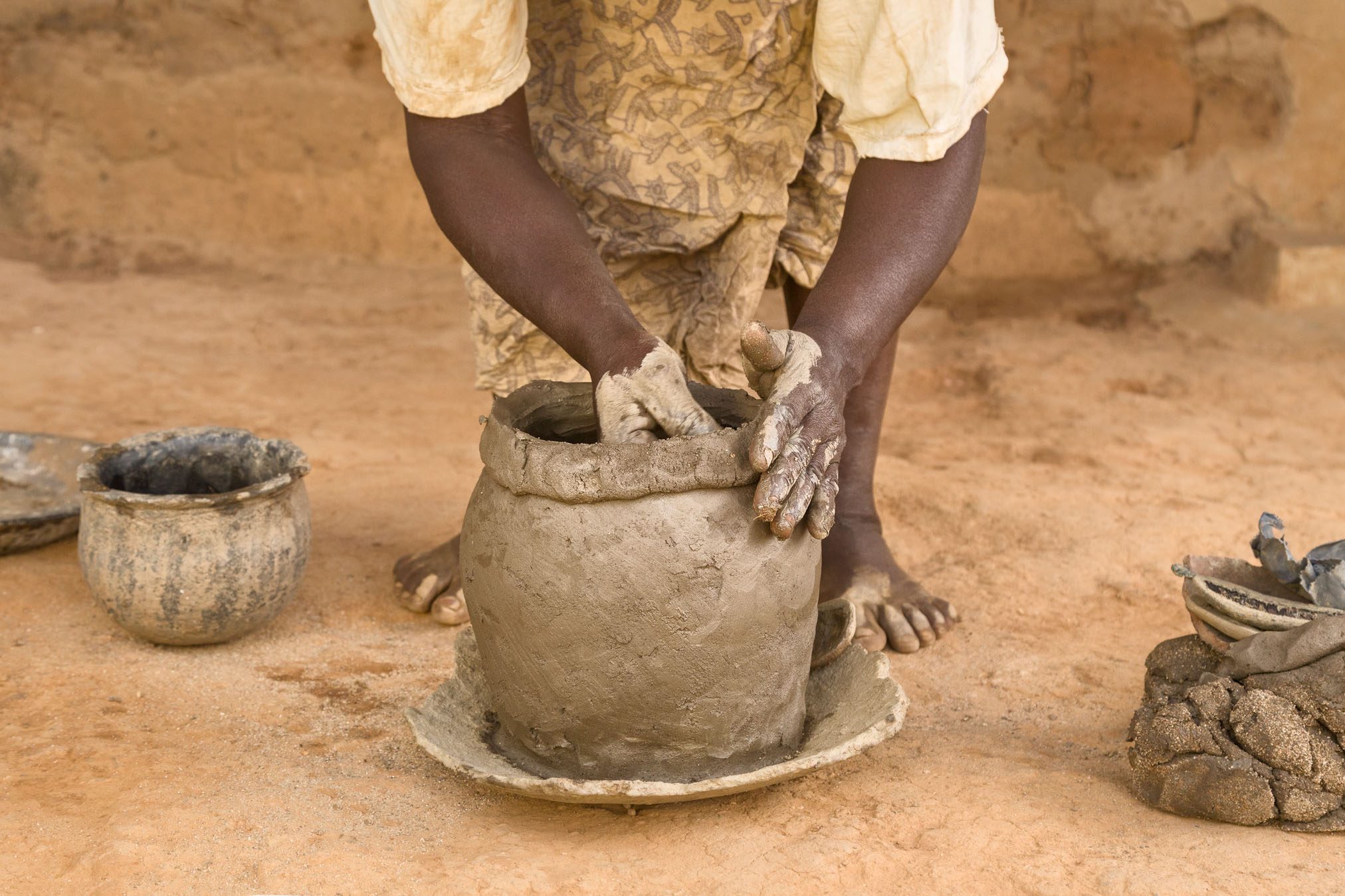
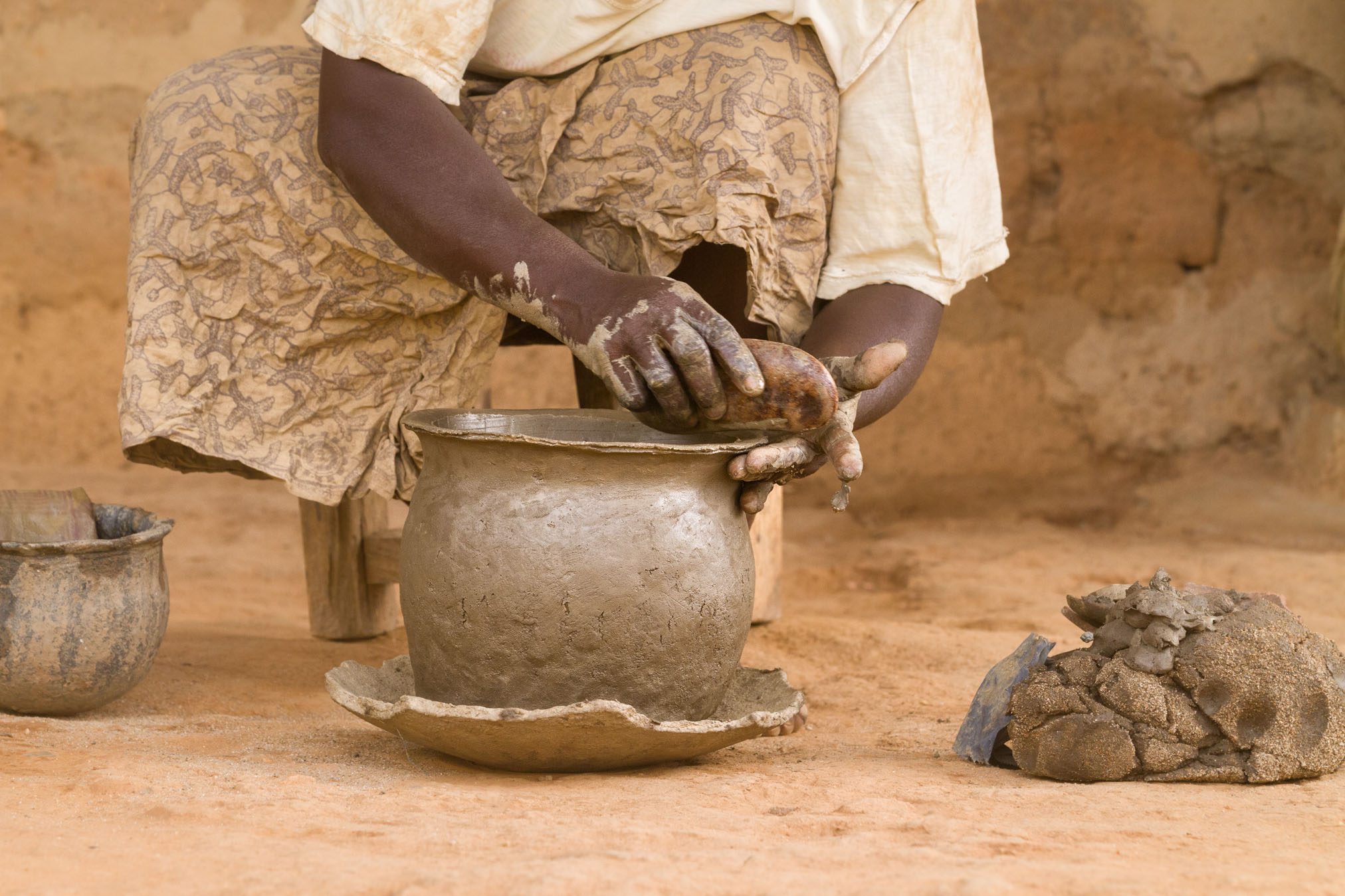
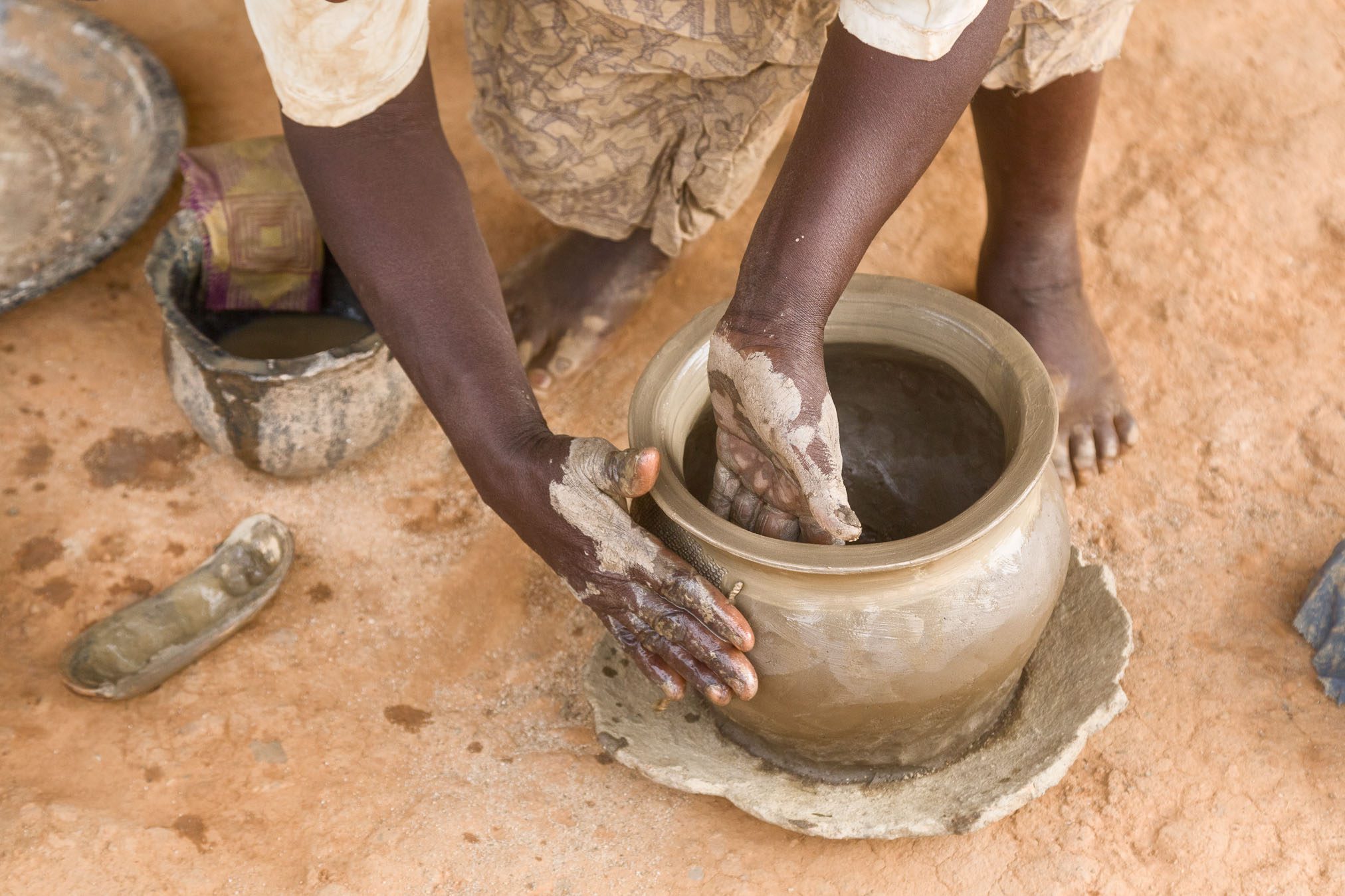
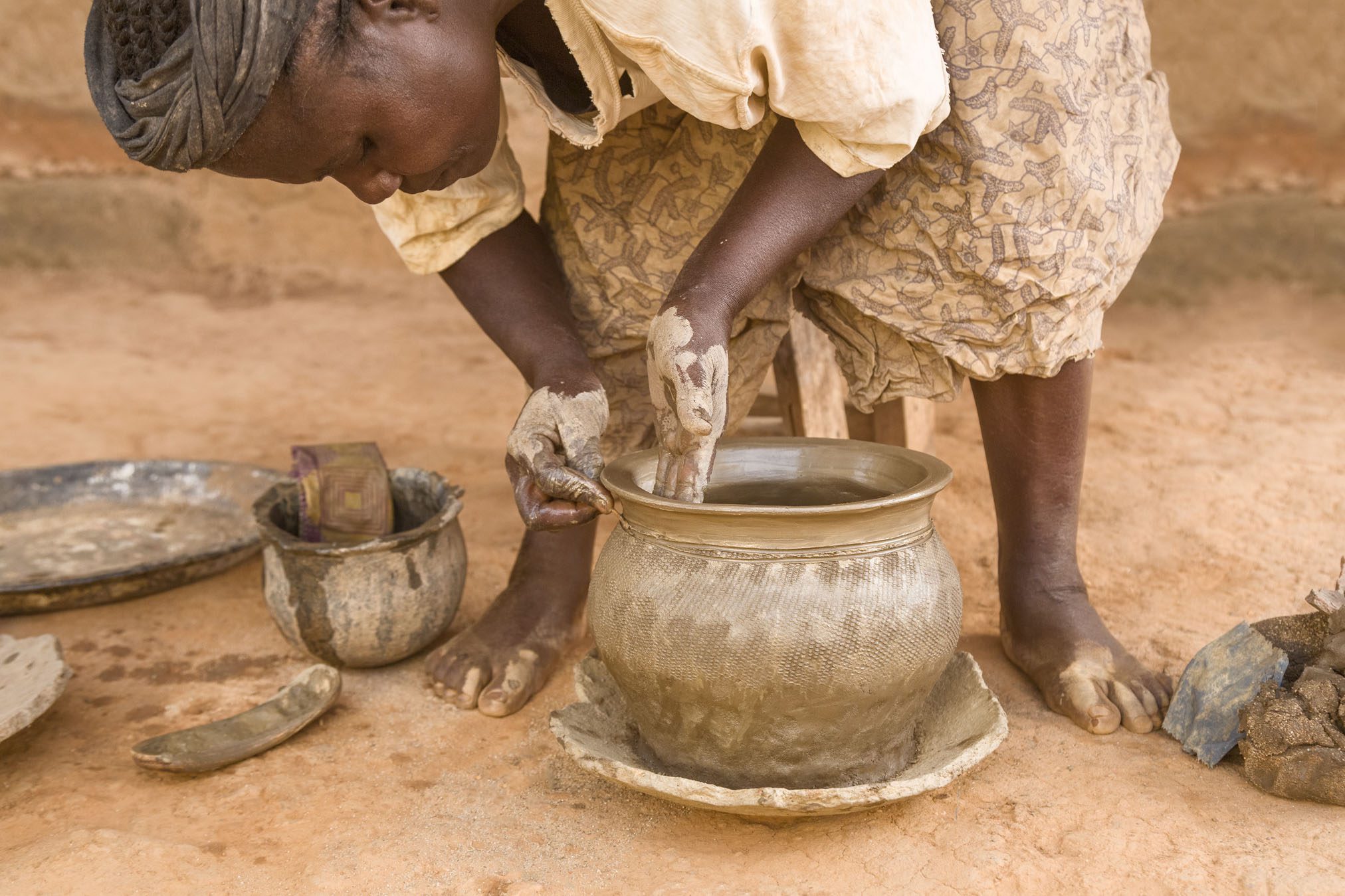
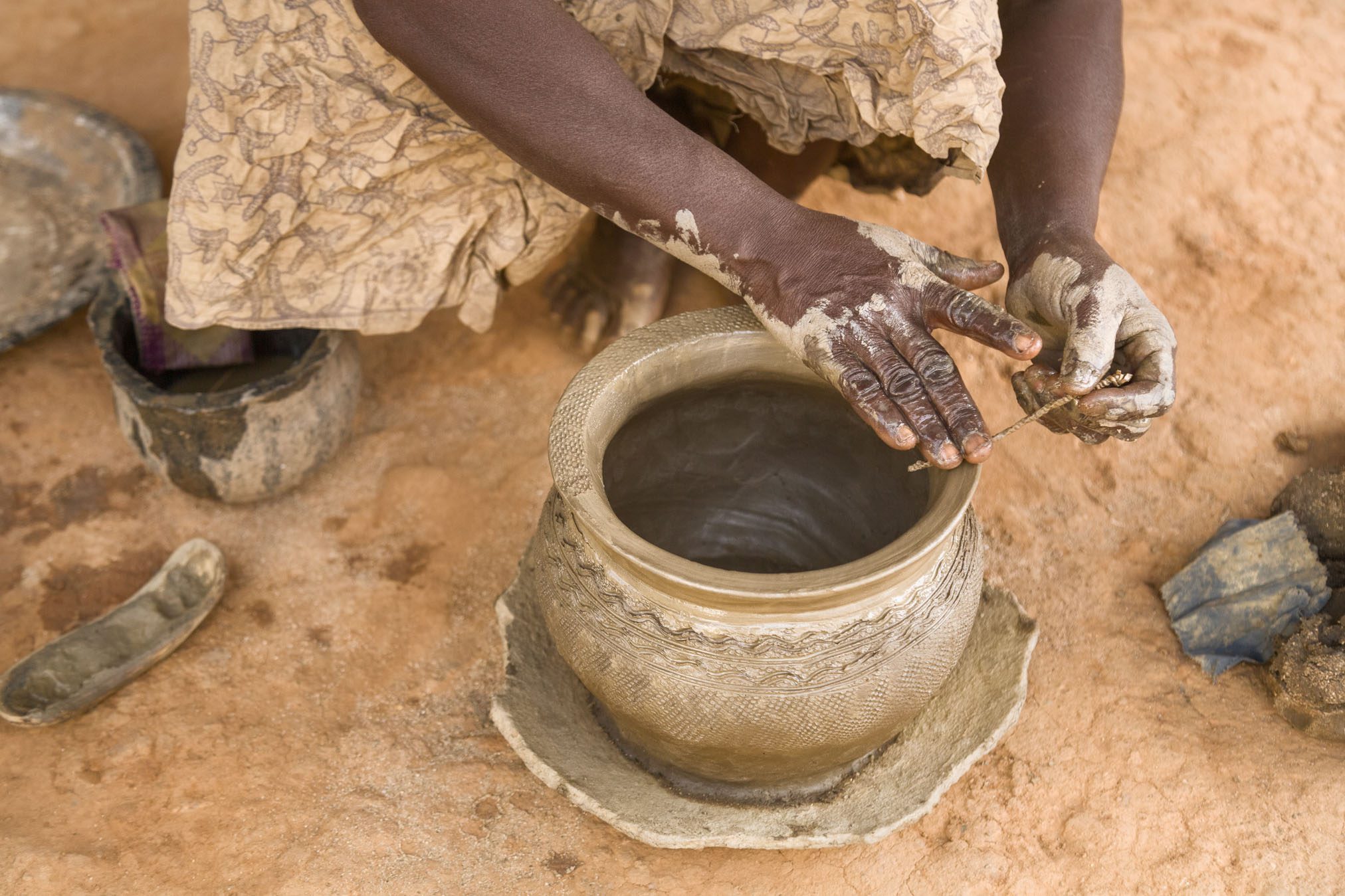
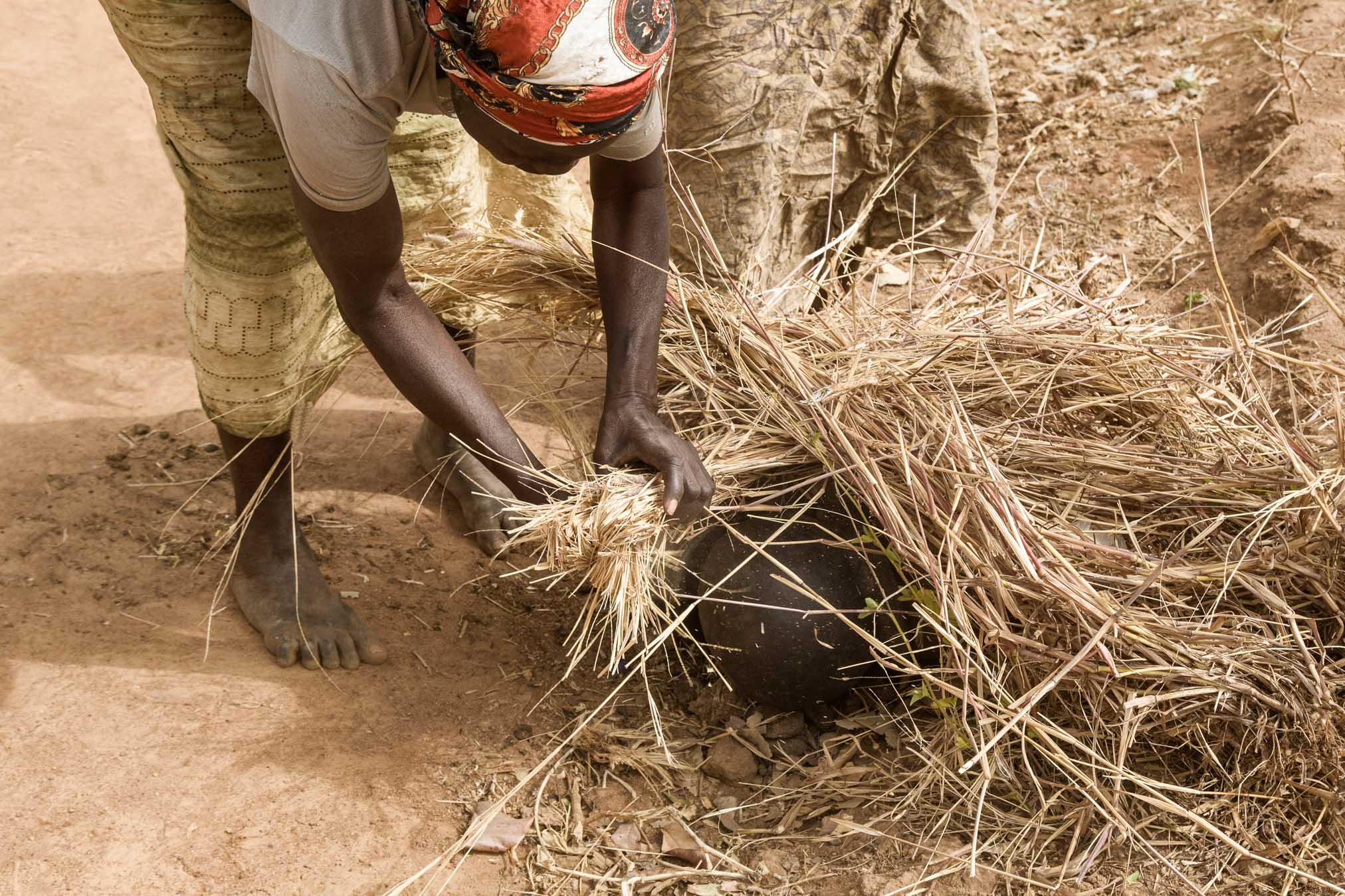
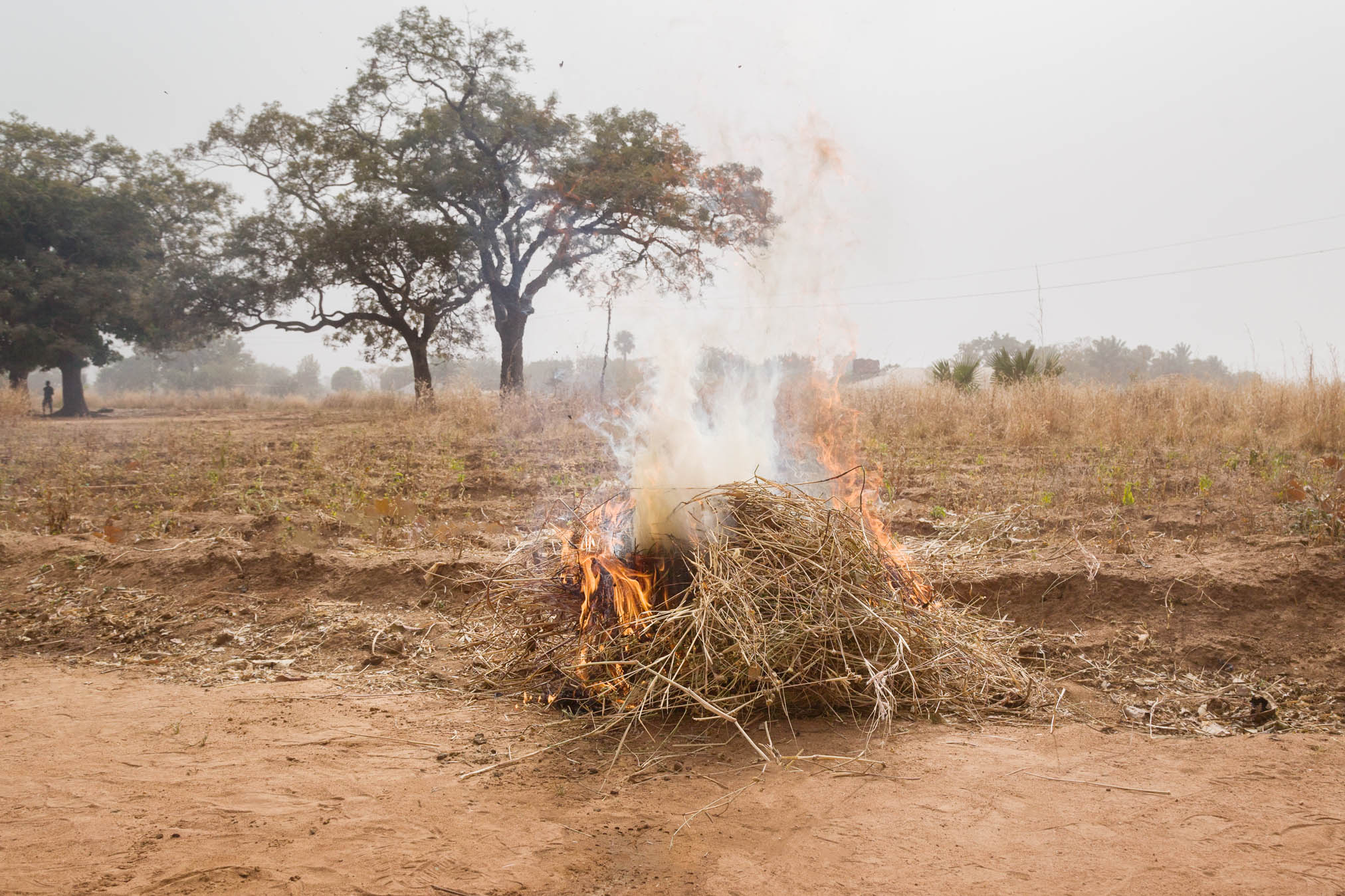
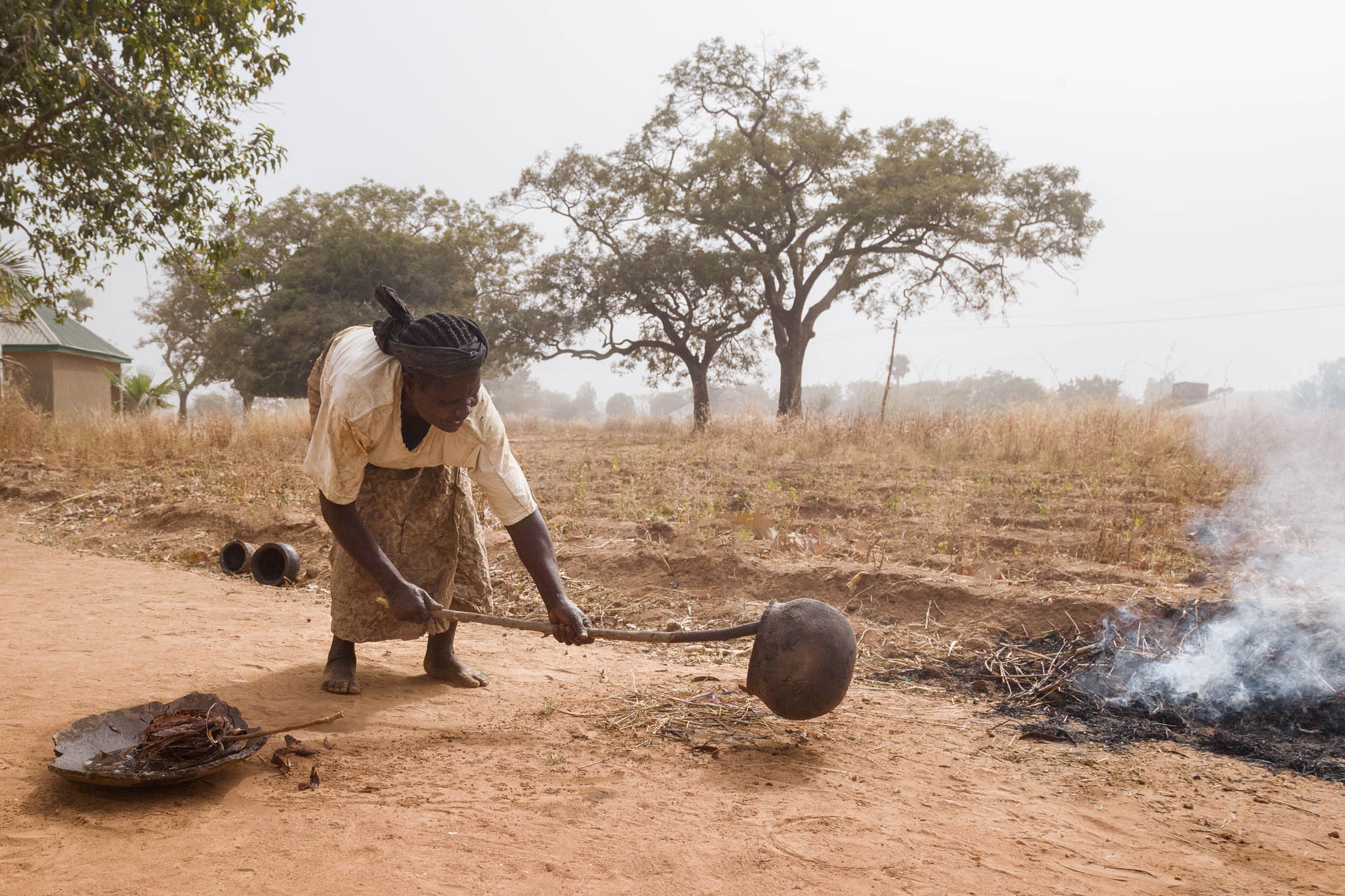
From the first touch of raw clay to the final firing, every stage reveals the skilled hands and enduring artistry of local women who have preserved these techniques across generations.
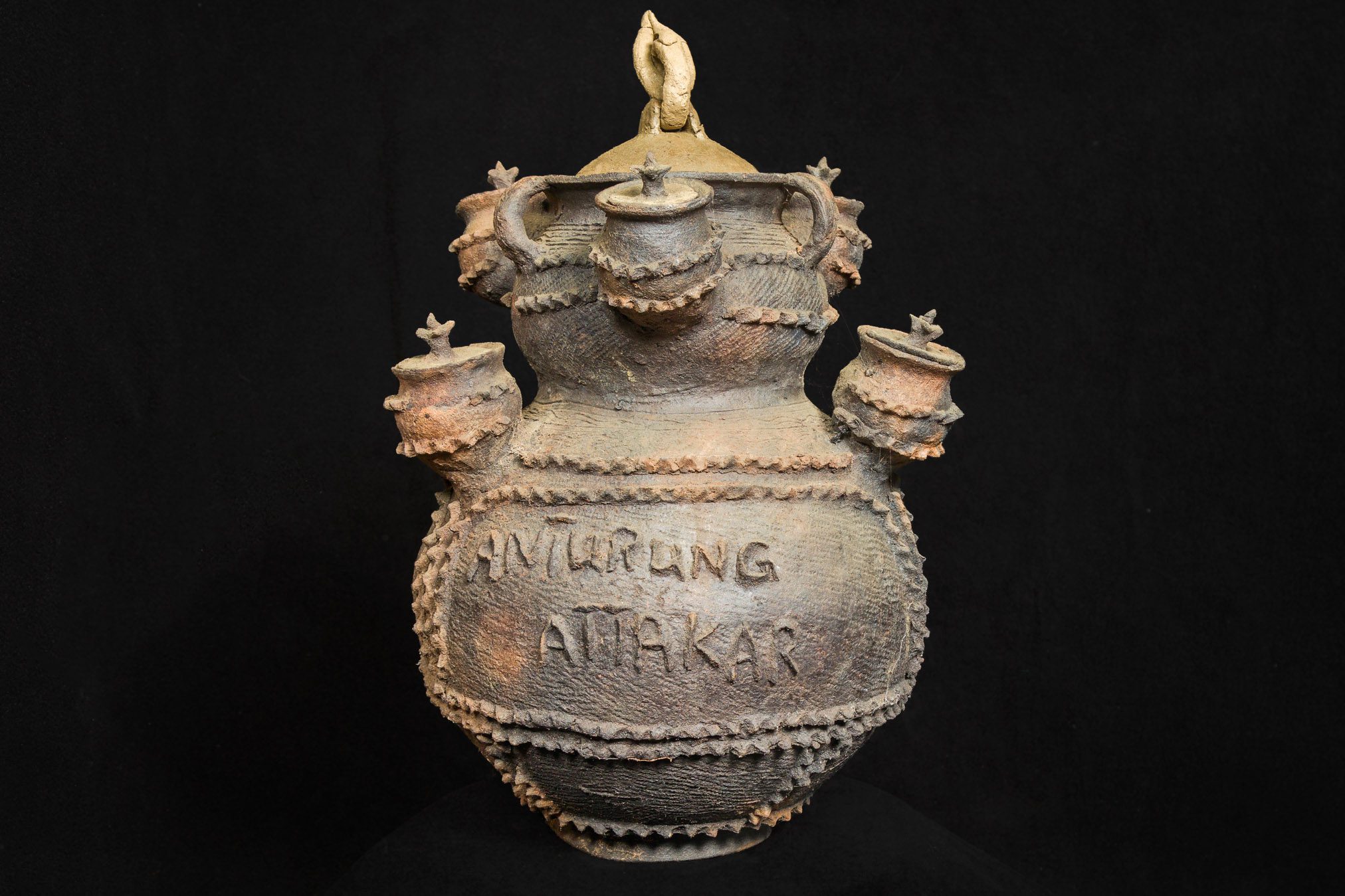
Attakar pottery is more than a craft—it is a living thread of Nigerian cultural heritage, with knowledge passed from mother to daughter over centuries. Each photograph captures not only the creation of pottery but also the spirit of community, dedication, and artistic expression that defines this tradition.
Yet, during my time in the village, several residents expressed concern that demand for these traditional pots has declined in recent years. Modern alternatives are gradually replacing what was once a vital part of daily life and local commerce.
Voices from the Community
Mr Tobias Nkom Wada, the paramount ruler of the Attakar community, reflected on the heritage and significance of pottery in their culture:
“Our ancestors were hunters. But we also had women experts who could make huge pots for domestic purposes—storing water, cooking, brewing wine, and even chilling water like a refrigerator. Our women were famous; they sold pots everywhere in the country.”
He expressed concern that these practices are at risk of fading away and called for greater recognition and preservation:
“Today, as these practices face the risk of fading away, there is an urgent need to recognise, support, and preserve the living heritage of Attakar pottery—ensuring that the skills, stories, and artistry of generations are not lost, but carried forward for the future.”
Kawai Vincent, vice chairman of the Attakar community, also shared the story of their renowned clay:
“The information I got from my father is that this clay is the second best in Africa. He was trained in Egypt and returned to teach others here, making plates, cups, and ceramics from this unique clay. Even today, people from colleges and art departments come to collect it. But sometimes we have the raw materials, but because we lack the attitude to research, we waste them.”
He recalled local traditions, such as using a hen’s egg in the clay pit for protection, and described how Attakar pots once travelled far beyond the village. However, he voiced concern over the decline of trade fairs and the lack of support for traditional crafts:
“In those days, there were trade fairs where women from this axis would display a variety of pots. Now, there is nothing like that. I challenge the Ministry of Commerce and Tourism to revive such opportunities. If each local government could showcase their crafts, it would boost pride and economic empowerment, especially for women.”
Mr Vincent’s words highlight not only the technical excellence of Attakar clay but also the urgent need for recognition, research, and support:
“After collecting the data, please help us to motivate these women. This will improve unemployment among the women in our community and empower them economically to take care of their families.”

For detailed image descriptions, licensing, or print purchases, please visit my Photoshelter Gallery.