
Argungu Durbar: Tradition, Spectacle, and Community Bond
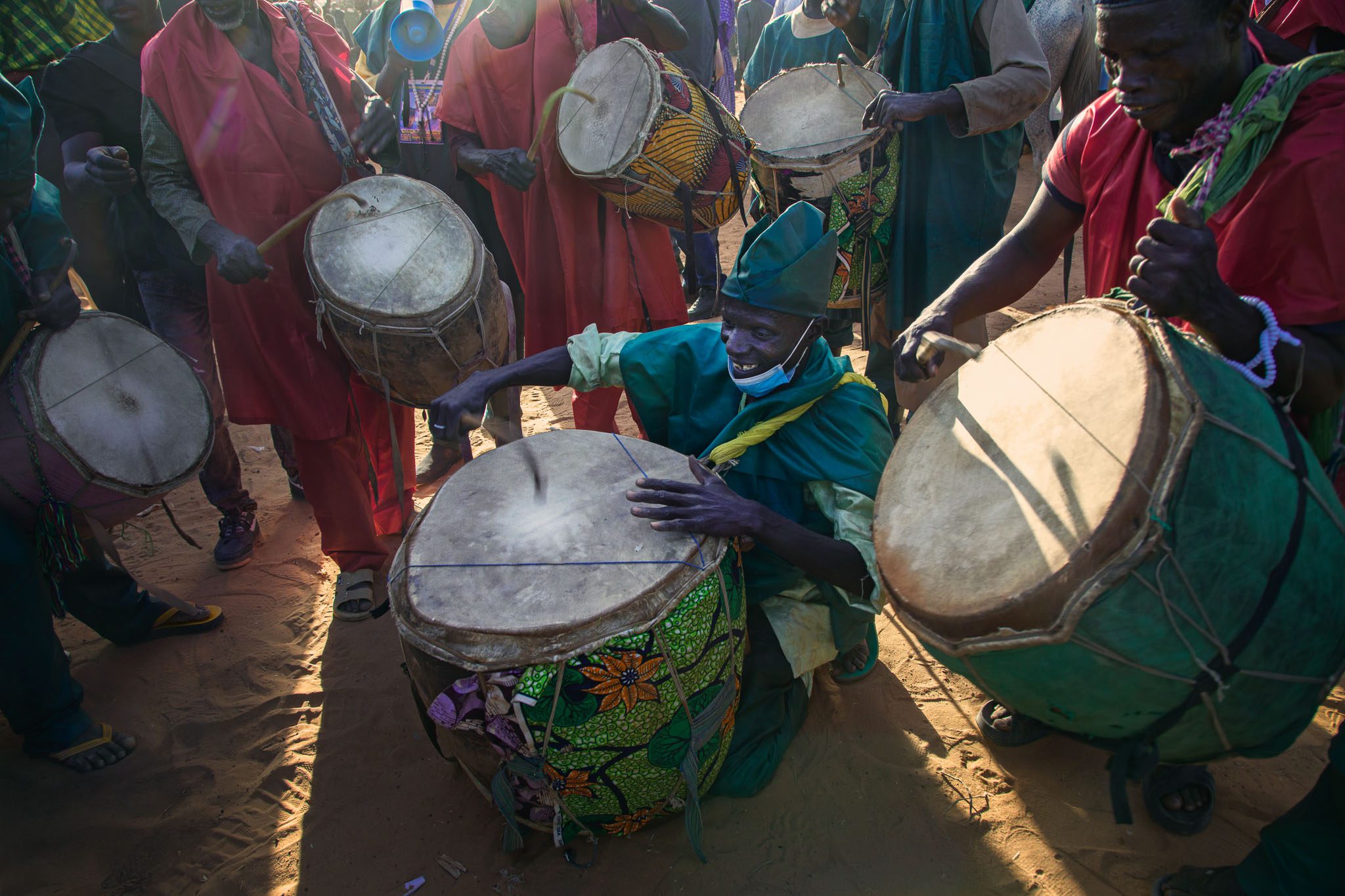
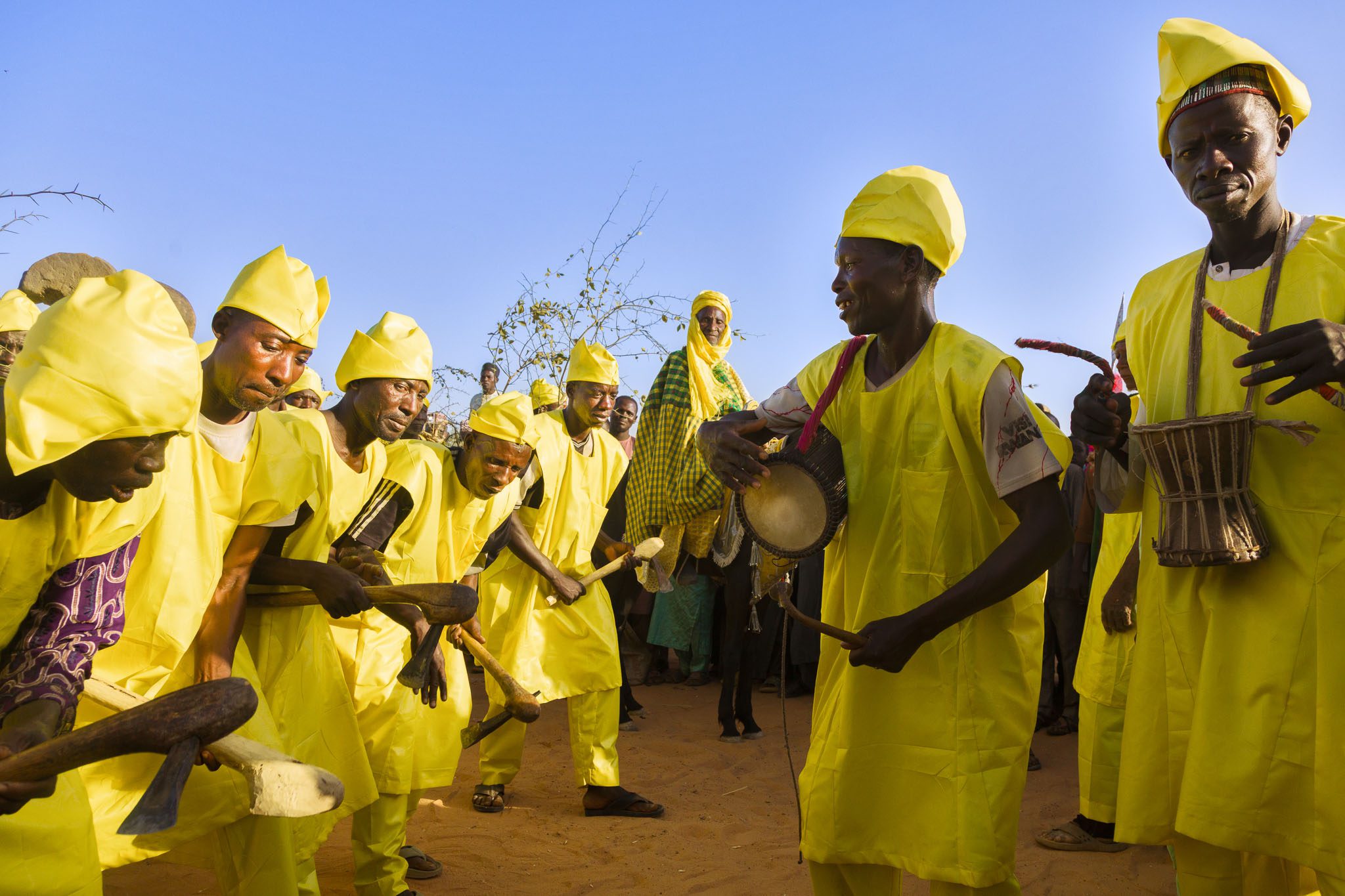
Before the spectacle unfolded, it was the music that greeted me first – a lone musician playing the algaita, its piercing, soulful notes drifting through the afternoon air. Alongside the steady rhythm of the drums, the sound of the algaita gives the durbar its unmistakable atmosphere. Together, they set the pulse of celebration, weaving tradition and anticipation into every moment.
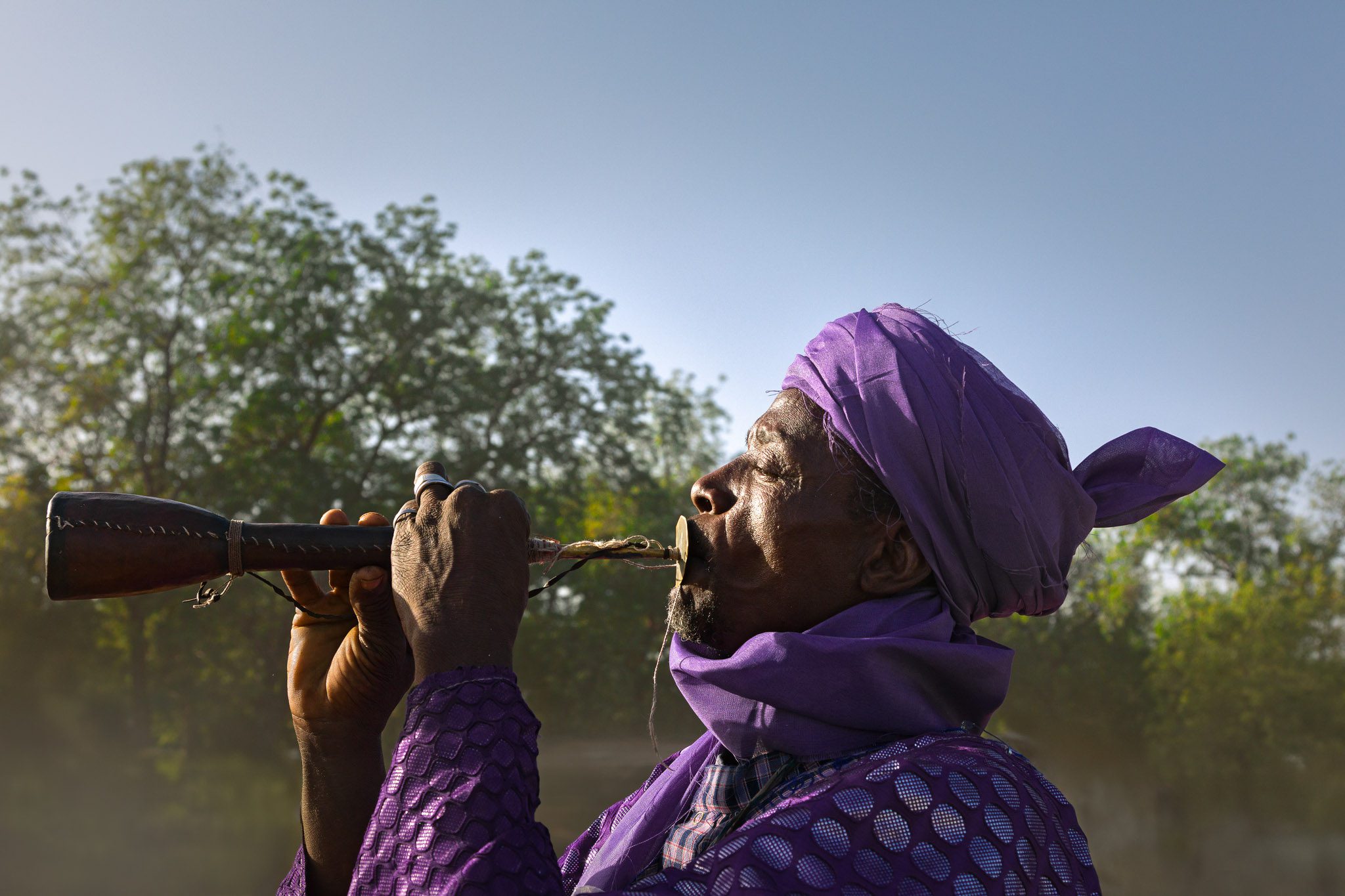
The air is alive with the sound of continuous drumming, a heartbeat that never slows.
Of all the Durbars I’ve witnessed – Zaria, Kano, Katsina, Kaduna – Argungu’s Durbar stands apart. It may be as large and spectacular as any, but what draws me back is not the scale or the spectacle. It’s the intimacy, the warmth, and the deep sense of belonging. Every return is a homecoming: familiar faces, shared smiles, and a unique spirit that makes Argungu unforgettable.
Deep Roots, Lasting Pride
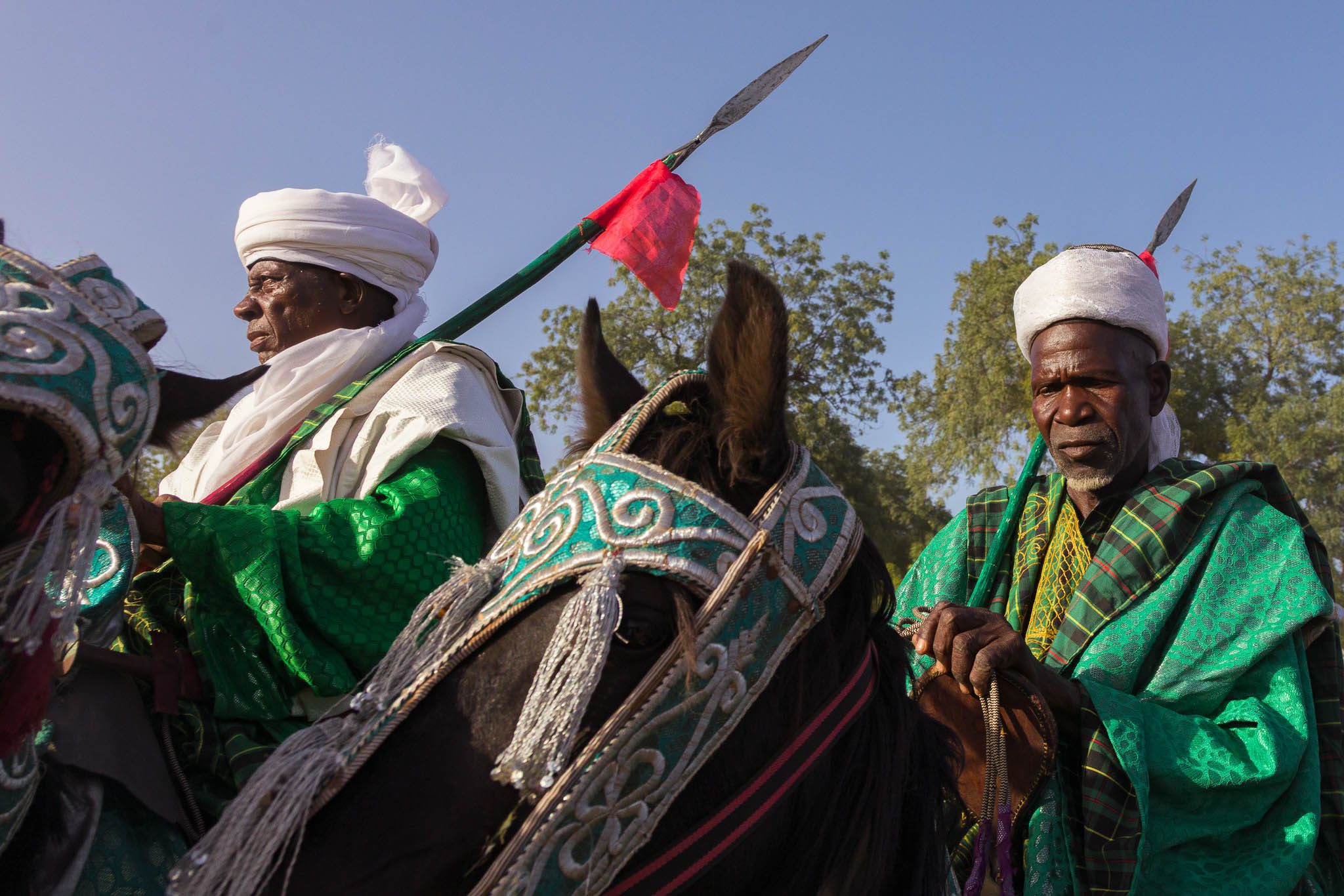
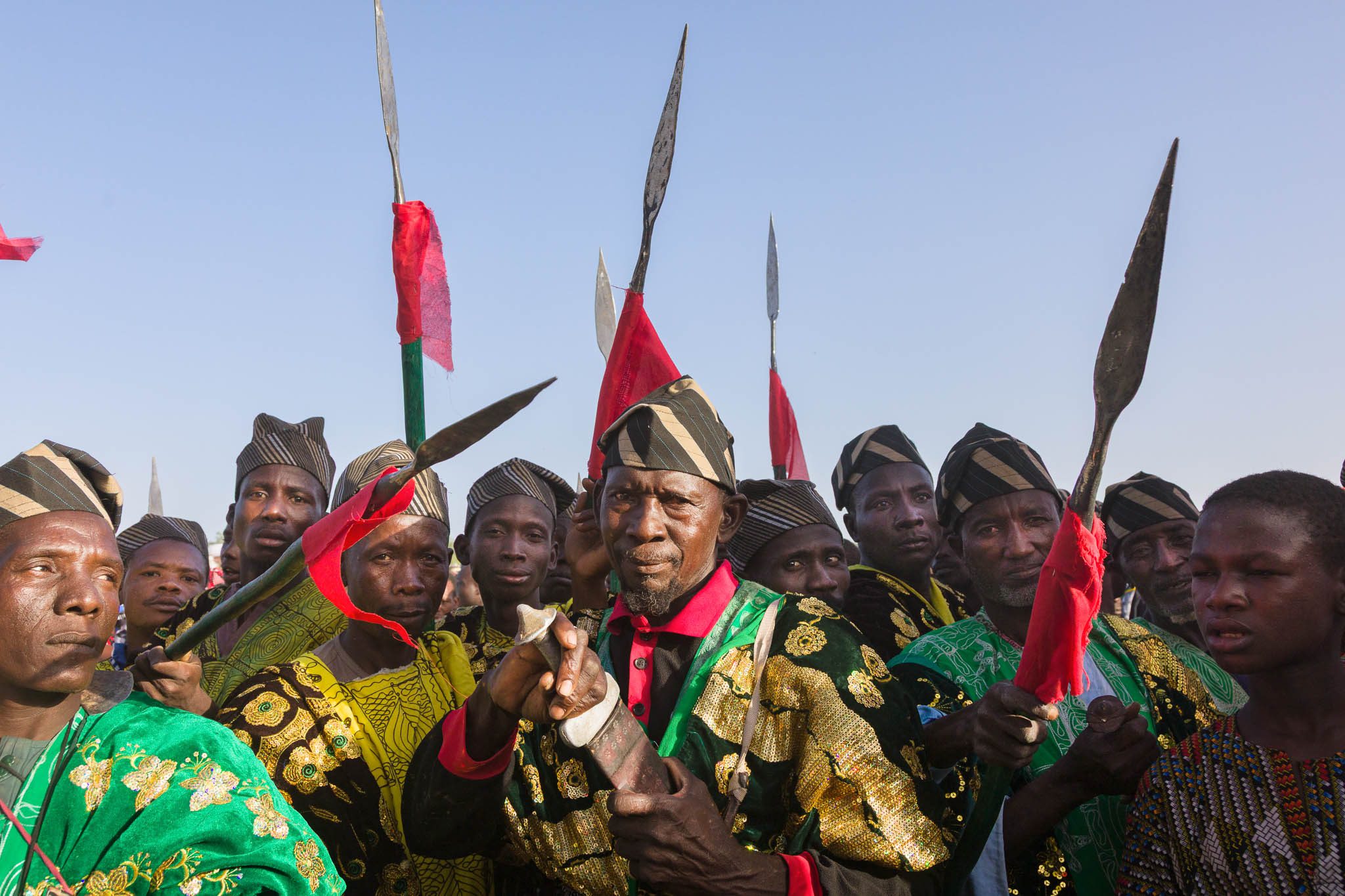
Every Northern Nigerian Durbar is rooted in history and pride. What began as a display of military strength – regiments parading before the Emir to show their readiness and loyalty – has grown into a living tradition.
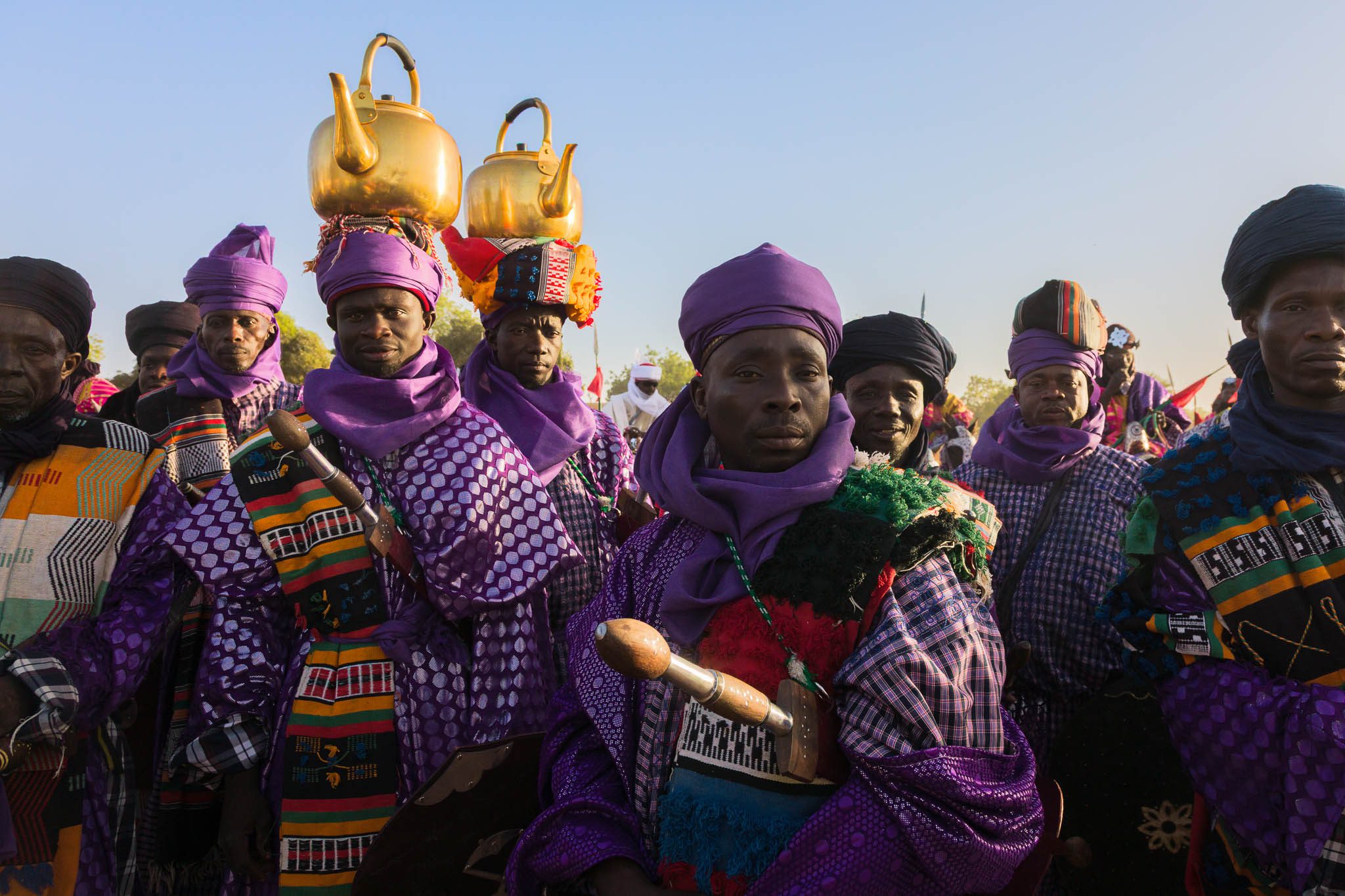
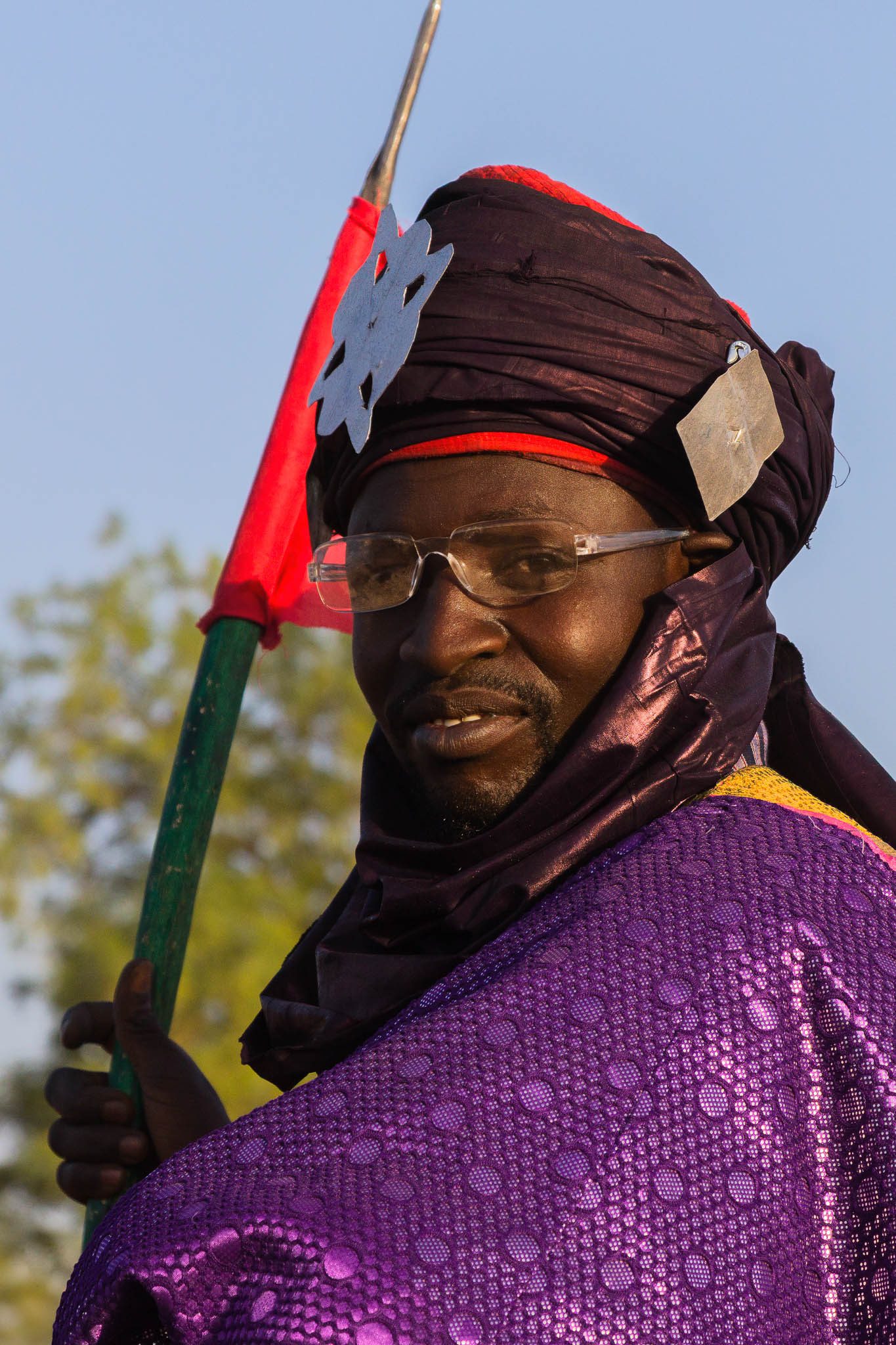
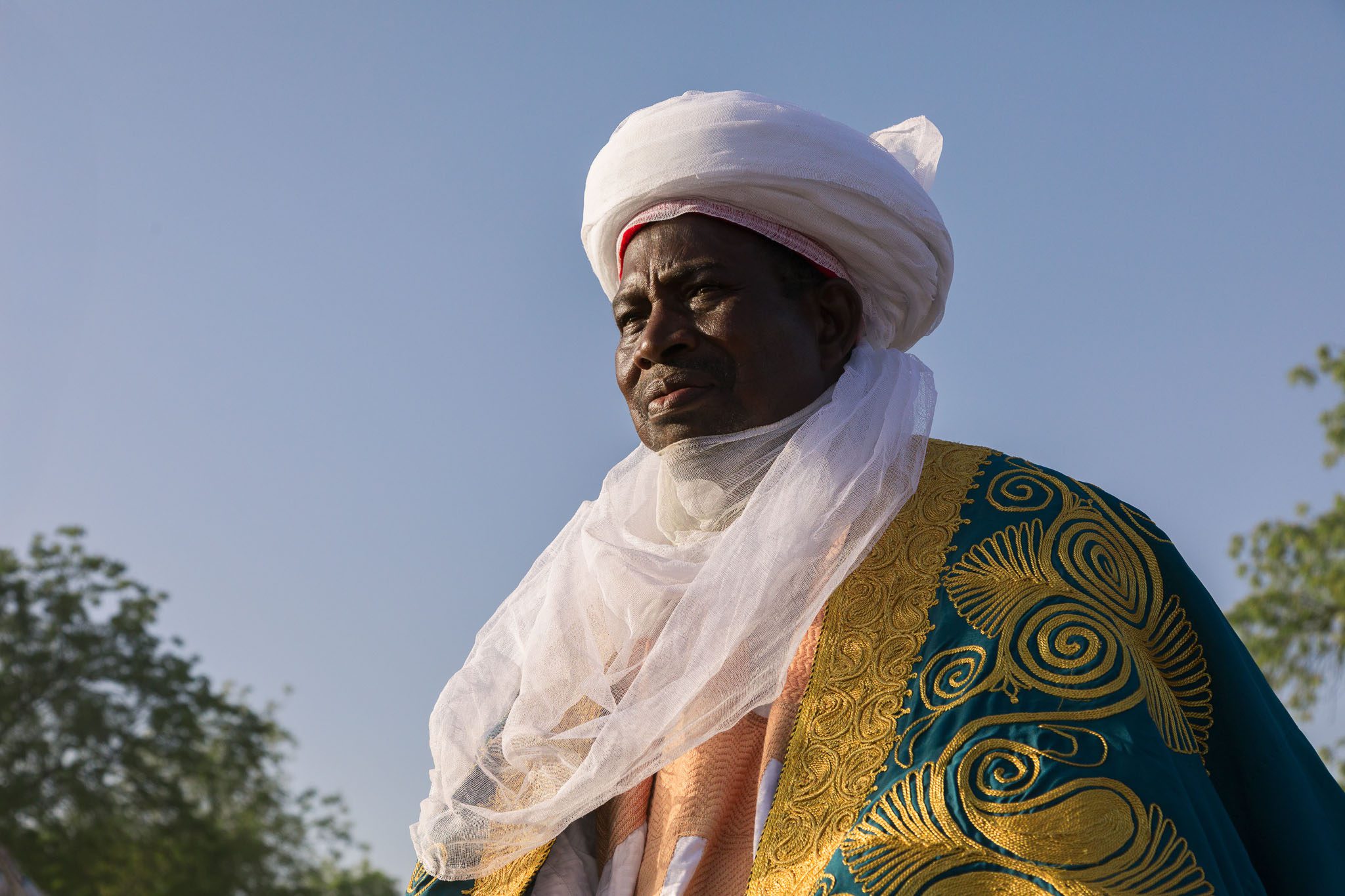
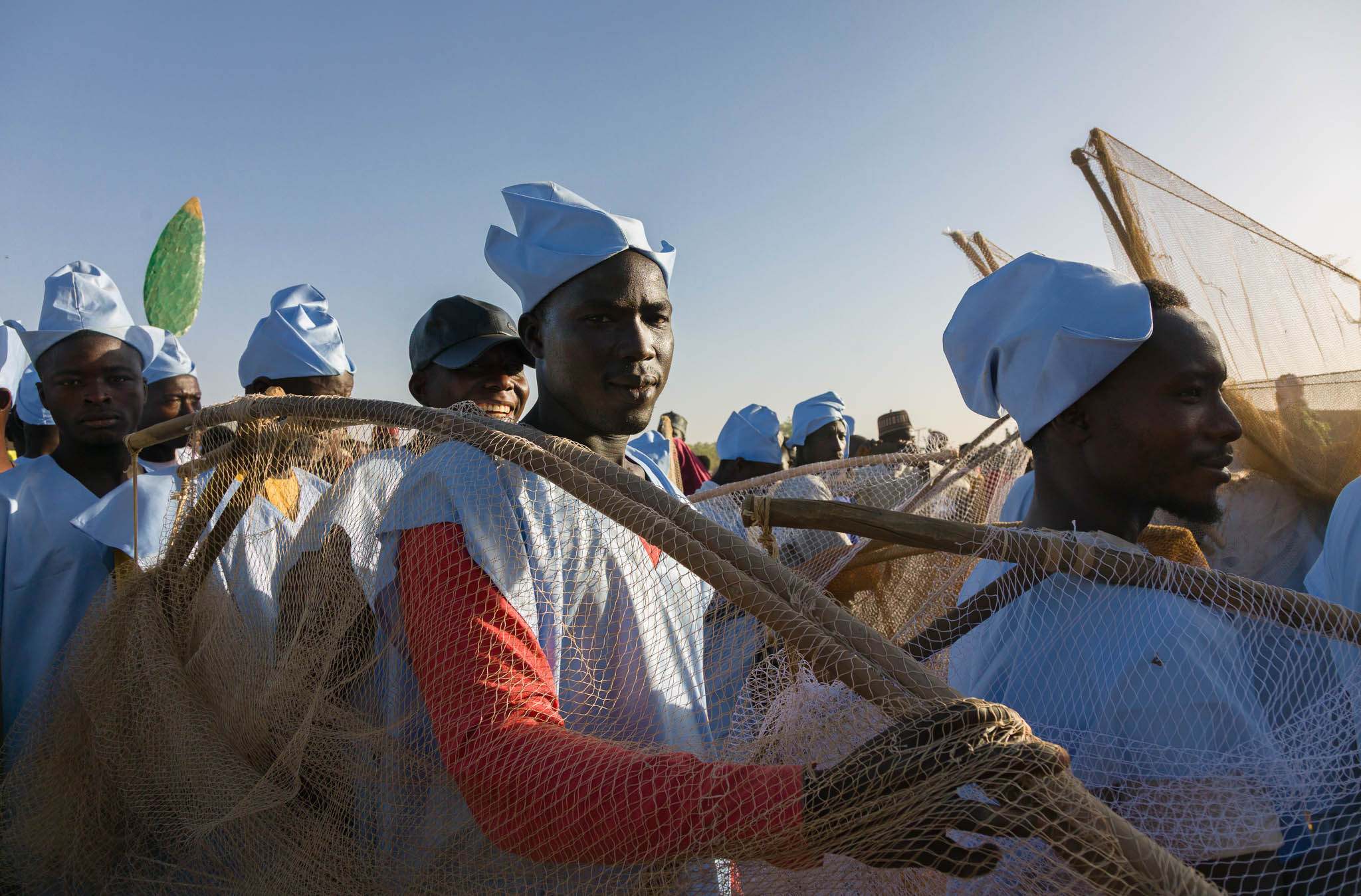
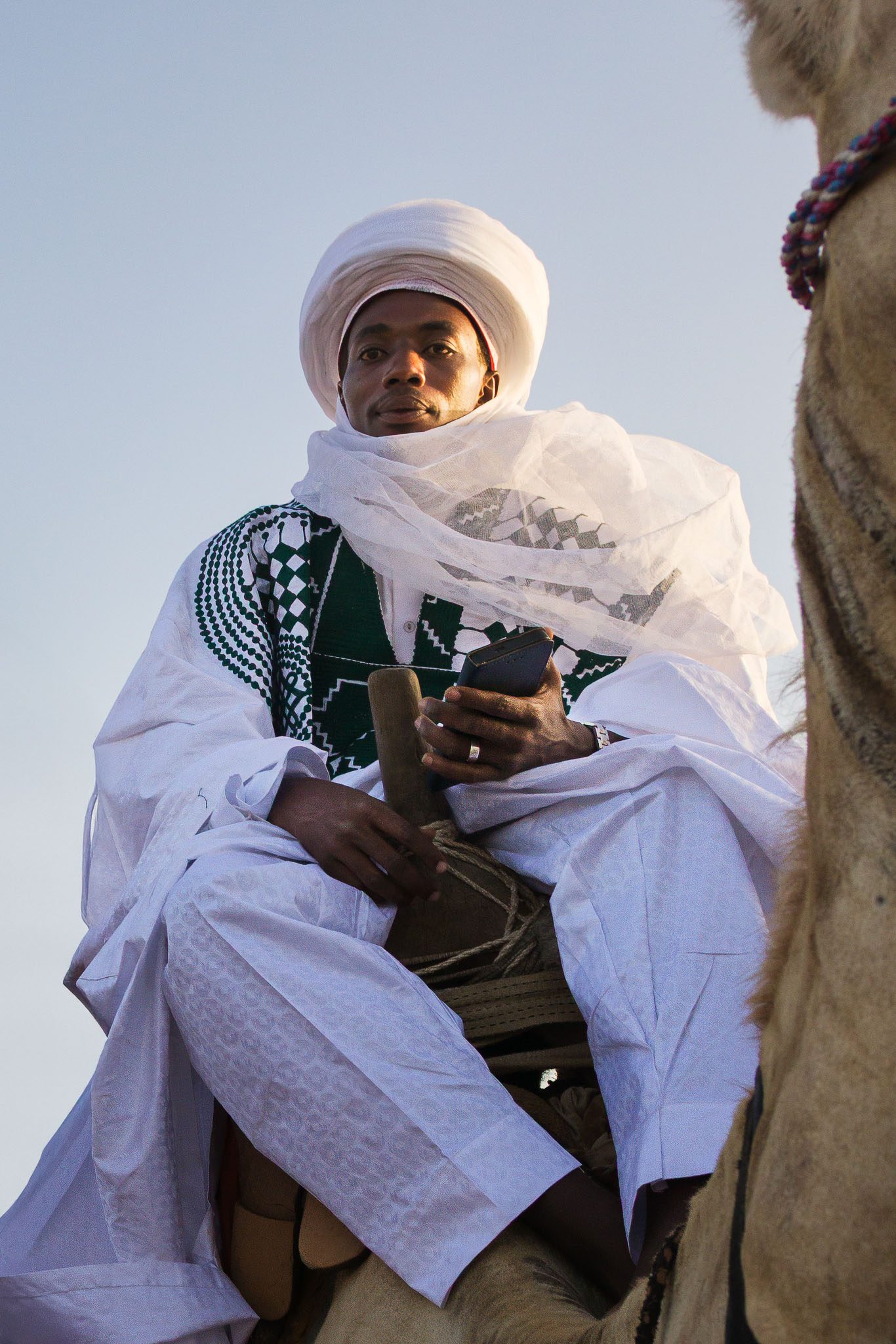
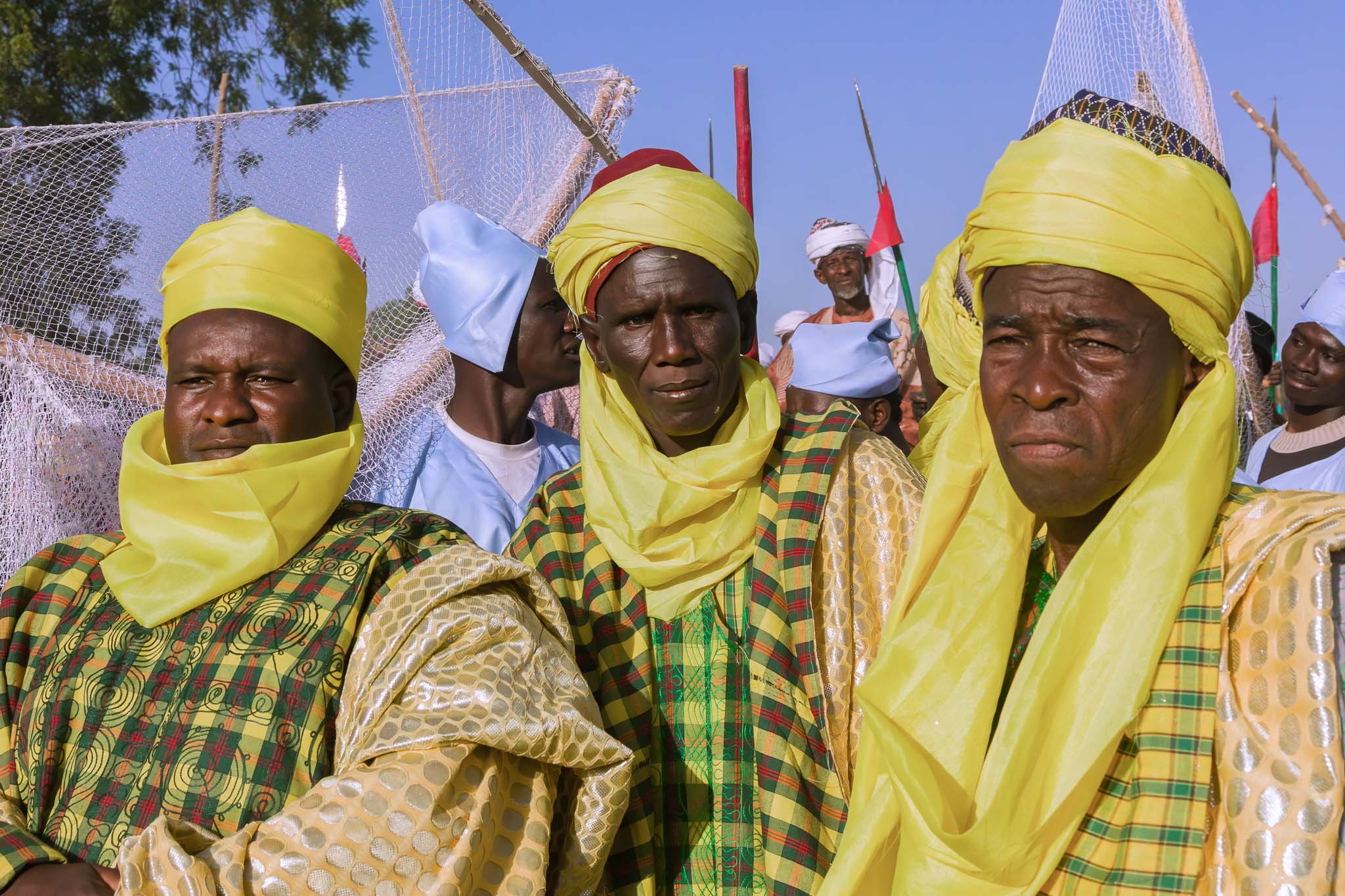
Over time, the Durbar evolved from a martial display to a vibrant ceremonial celebration. Today, it is open to all: district men, nobles, and commoners alike come to pledge allegiance to the Emir in a display of pomp, elaborate dress, and unity. The event has become a living testament to the heritage of Northern Nigeria, featuring a massive, colourful procession of horses, traditional music, elaborate royal attire, and displays of magic and daring feats. Though chiefly a men-led spectacle, it is enjoyed by everyone present and remains a symbol of unity, loyalty, and the enduring bond between the Emirate and its people.
The Procession: Colour, Rhythm, and Anticipation
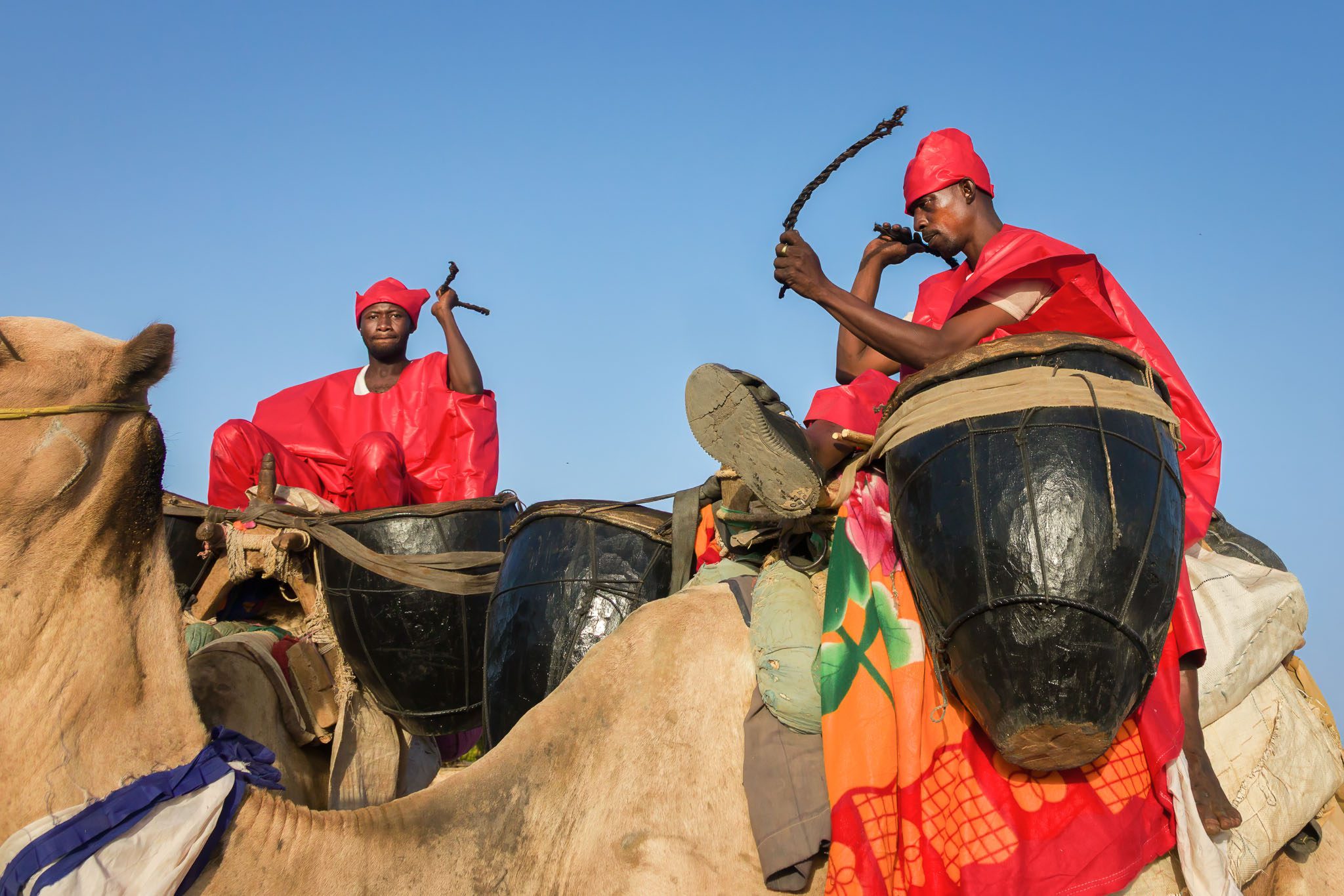
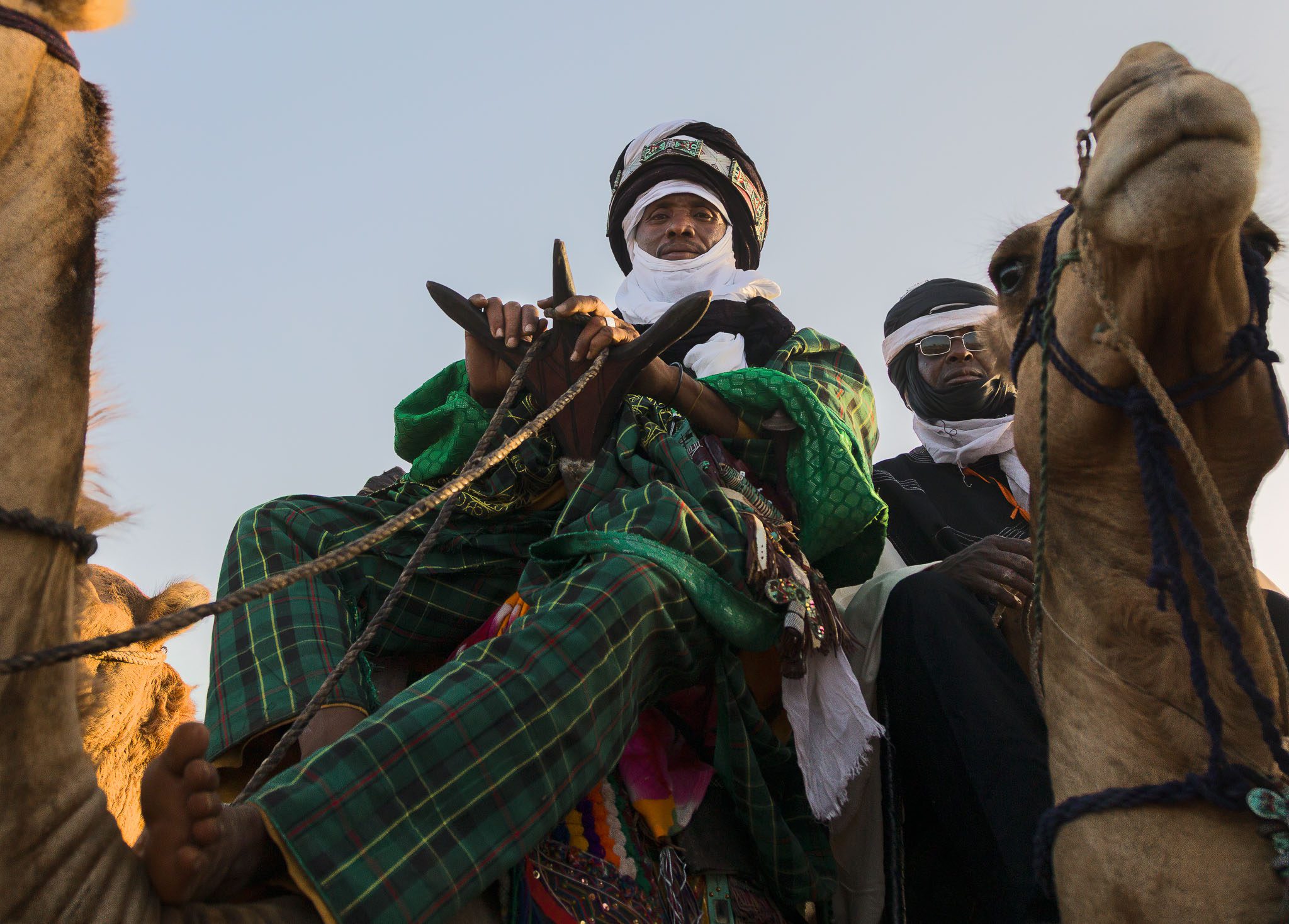
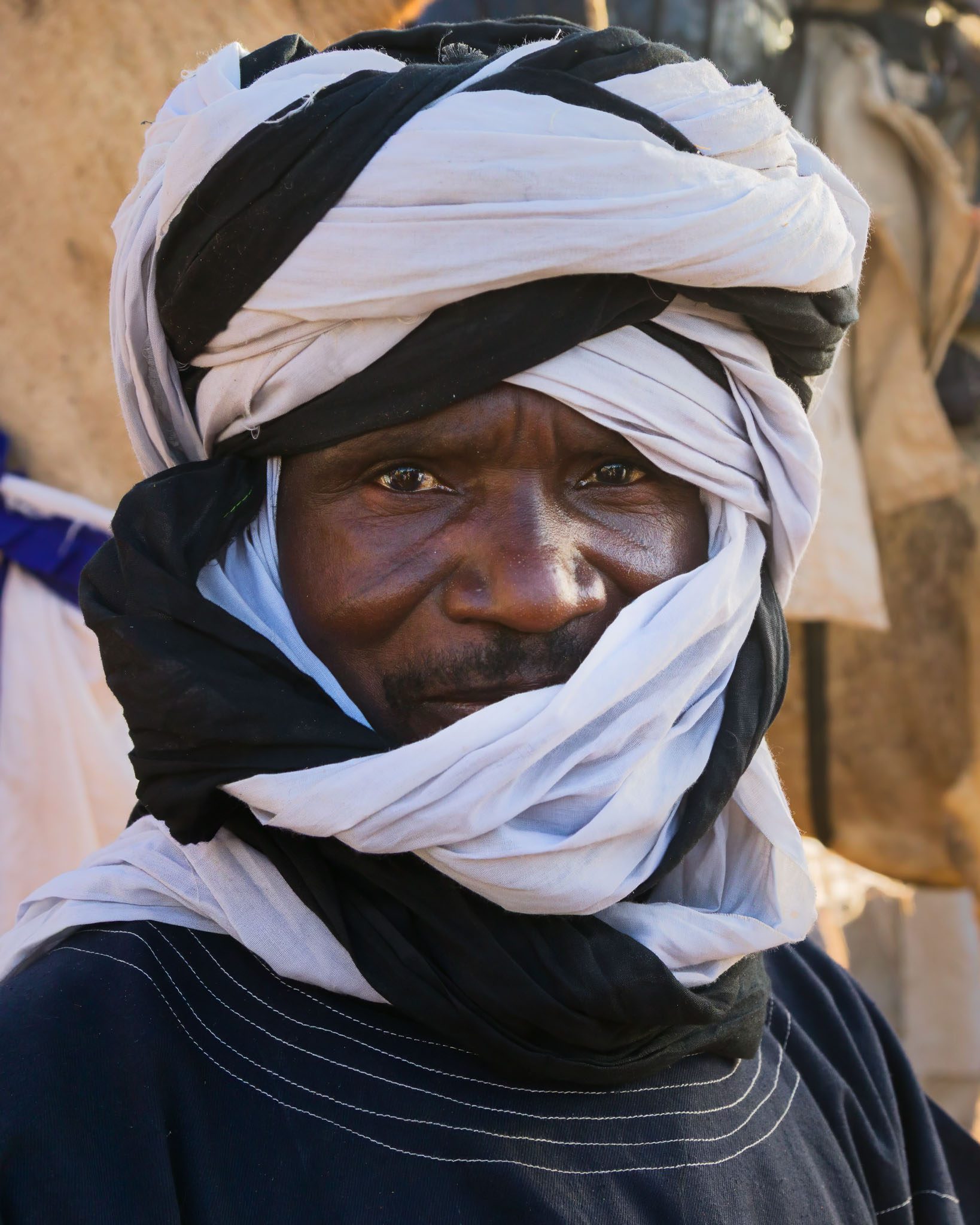
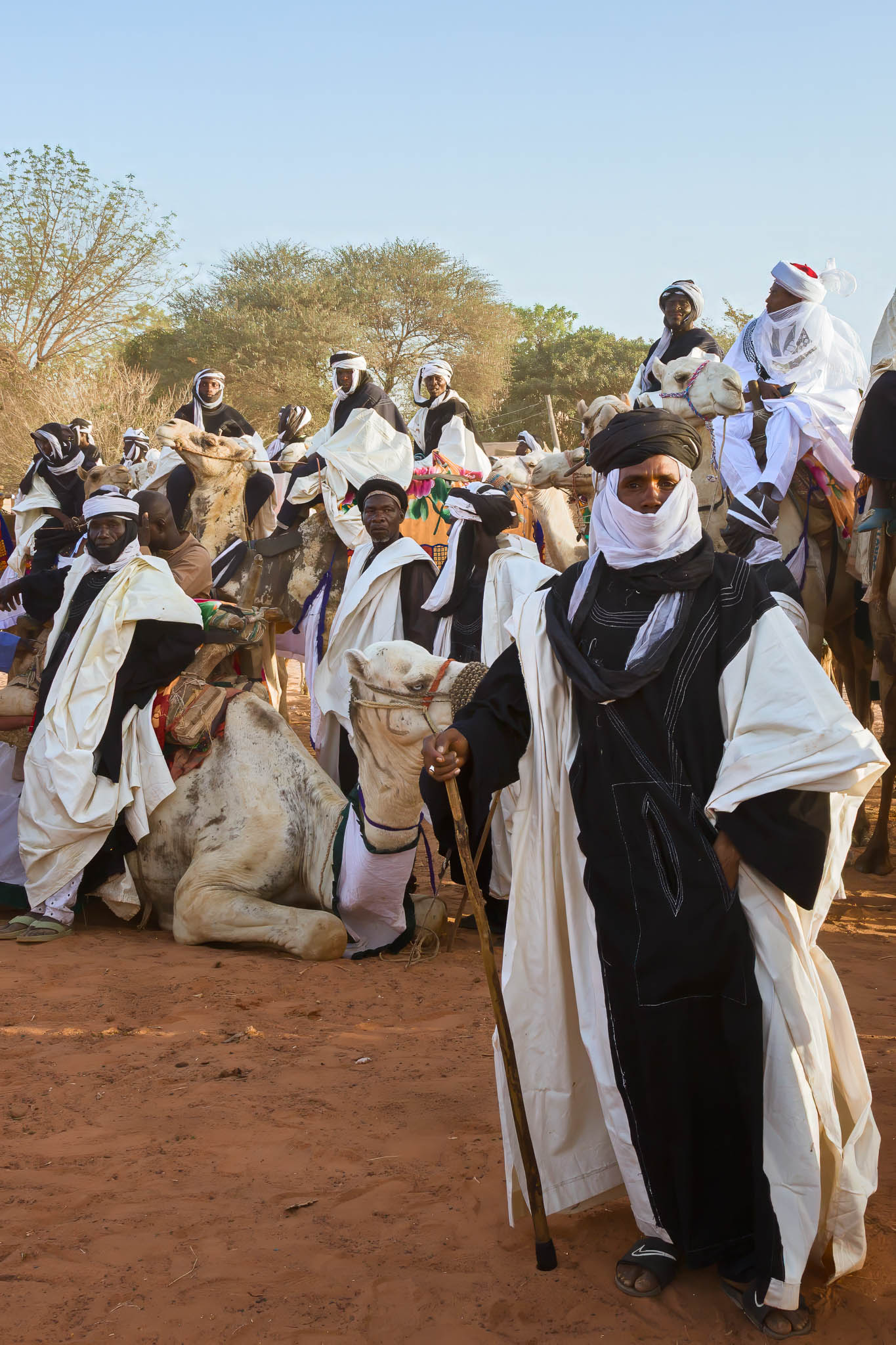
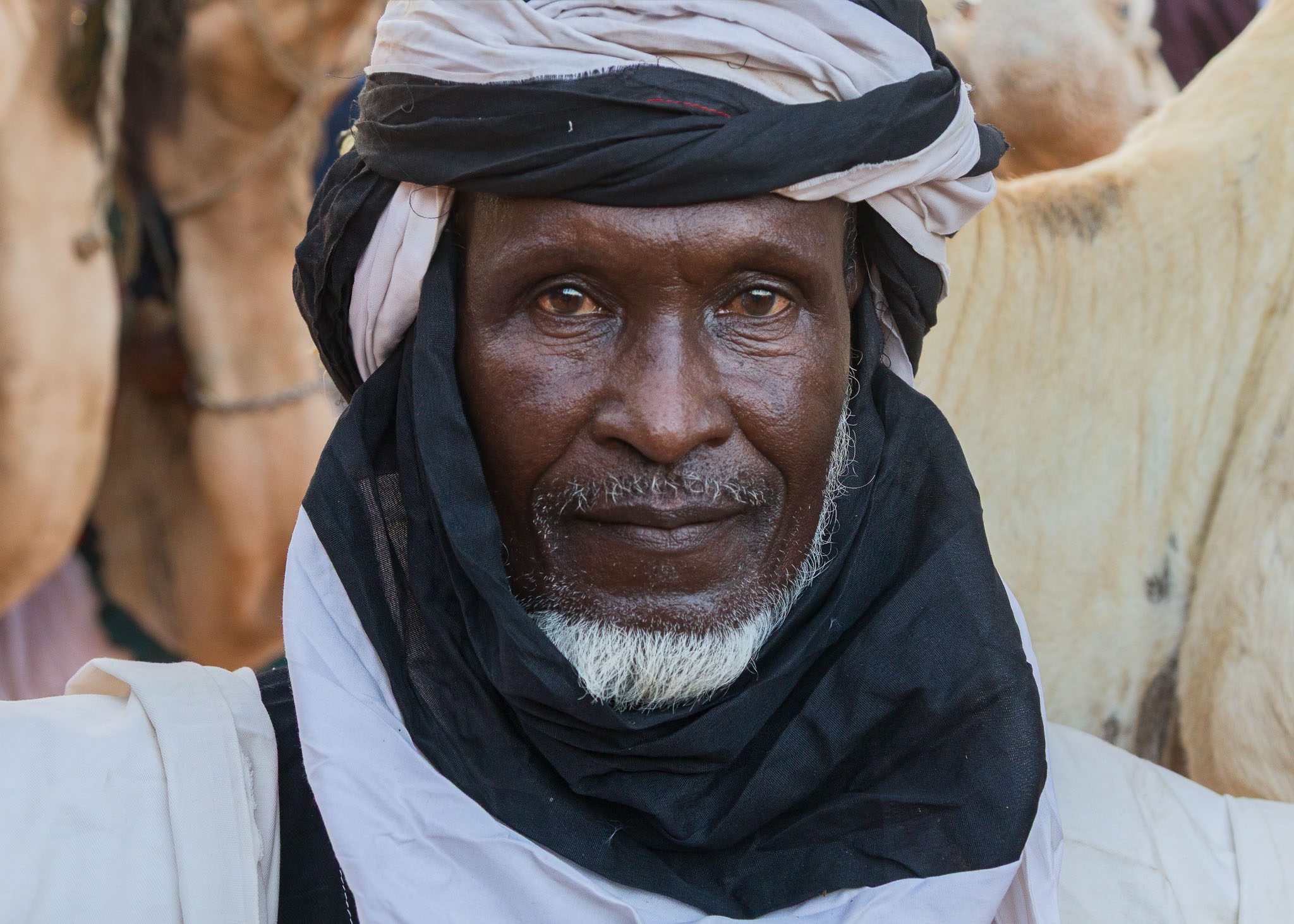
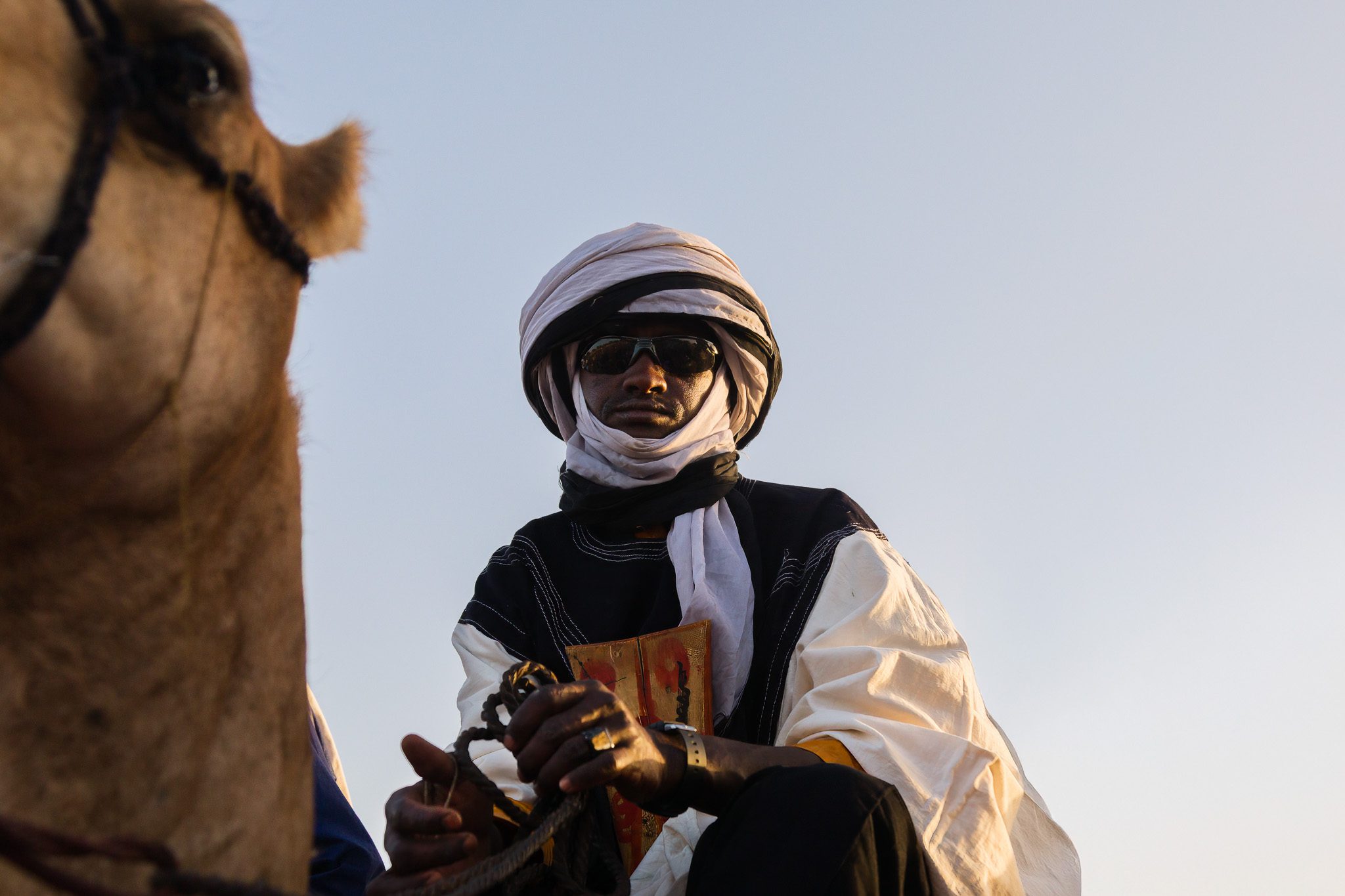
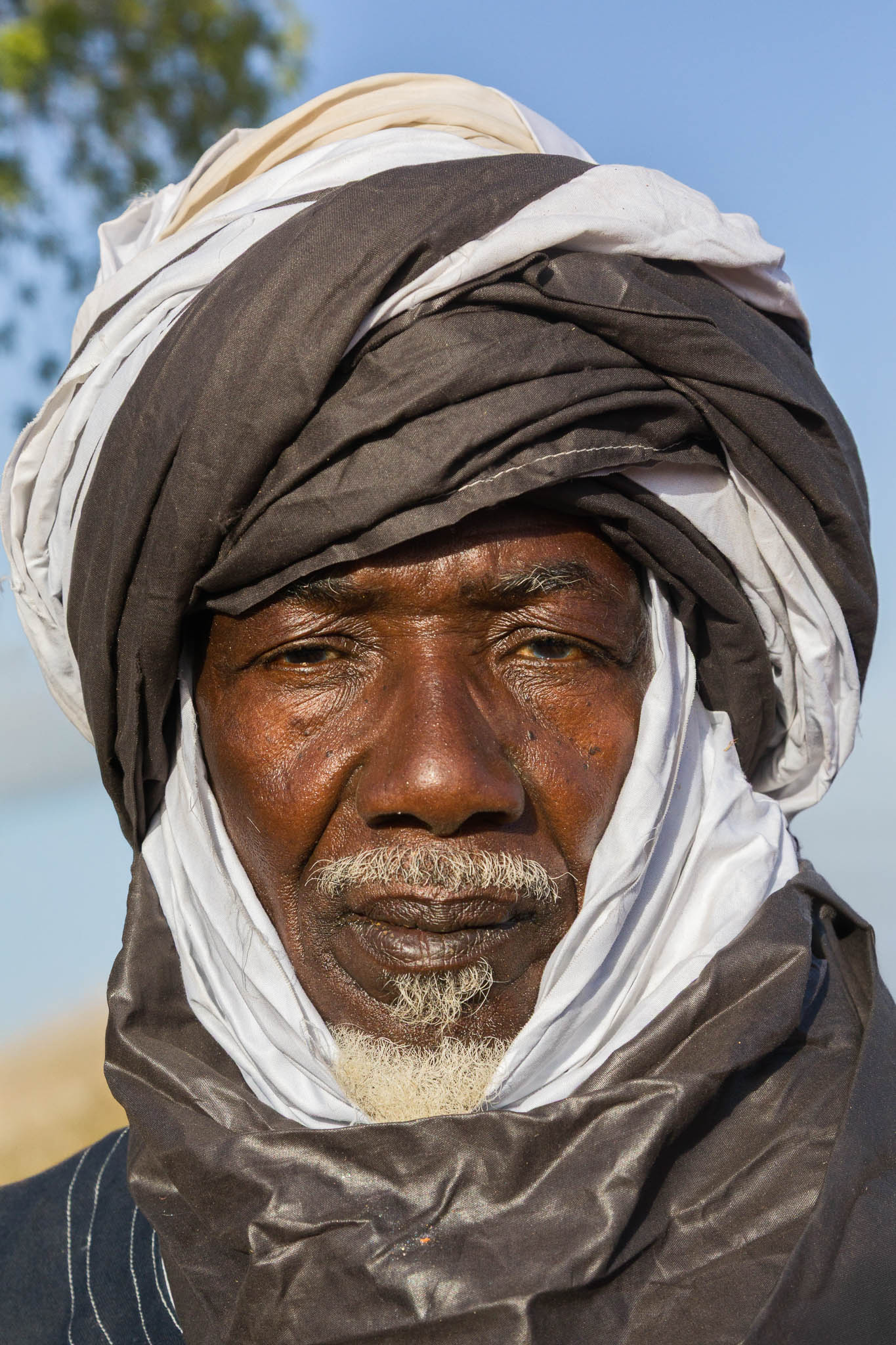
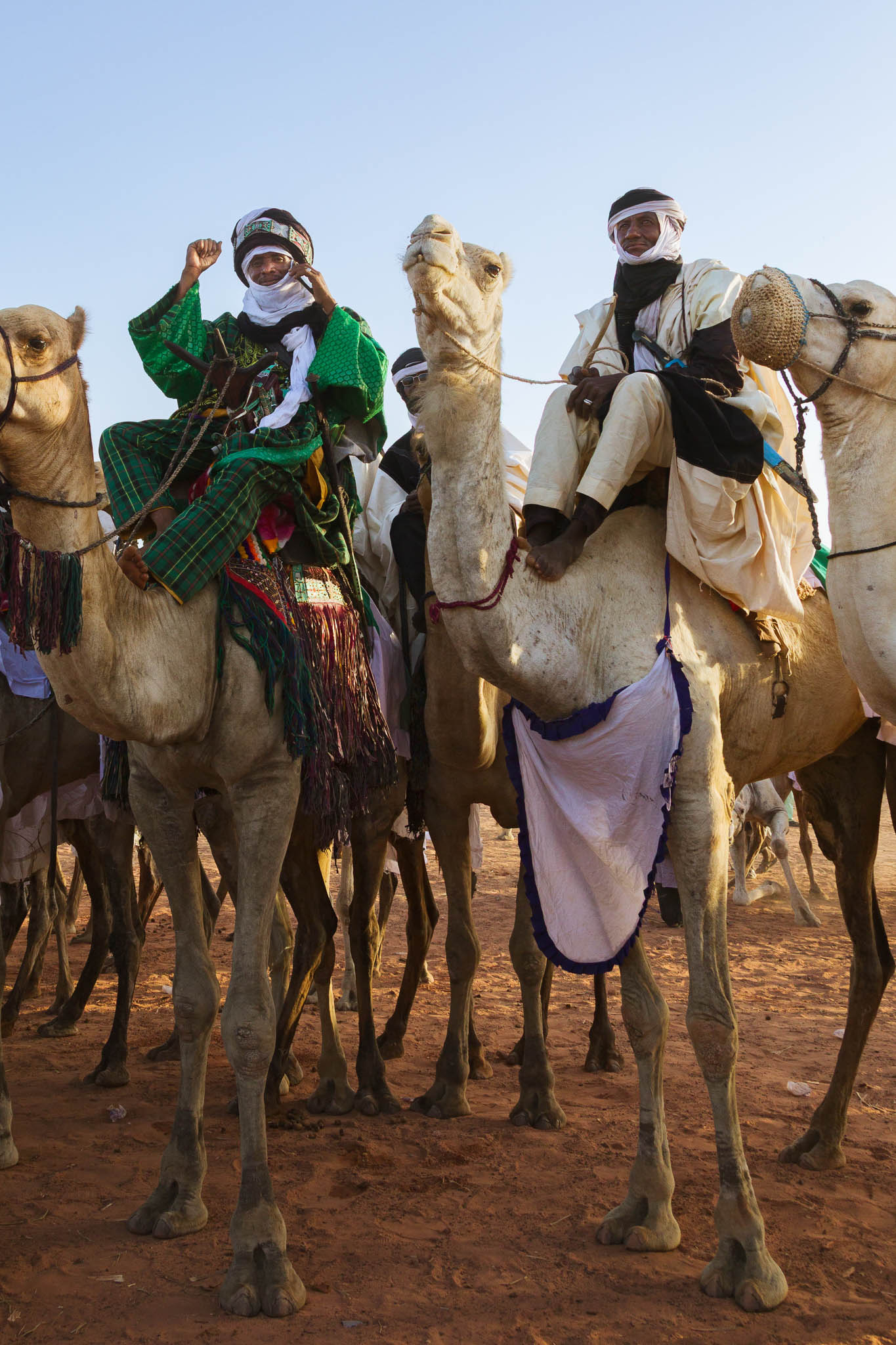
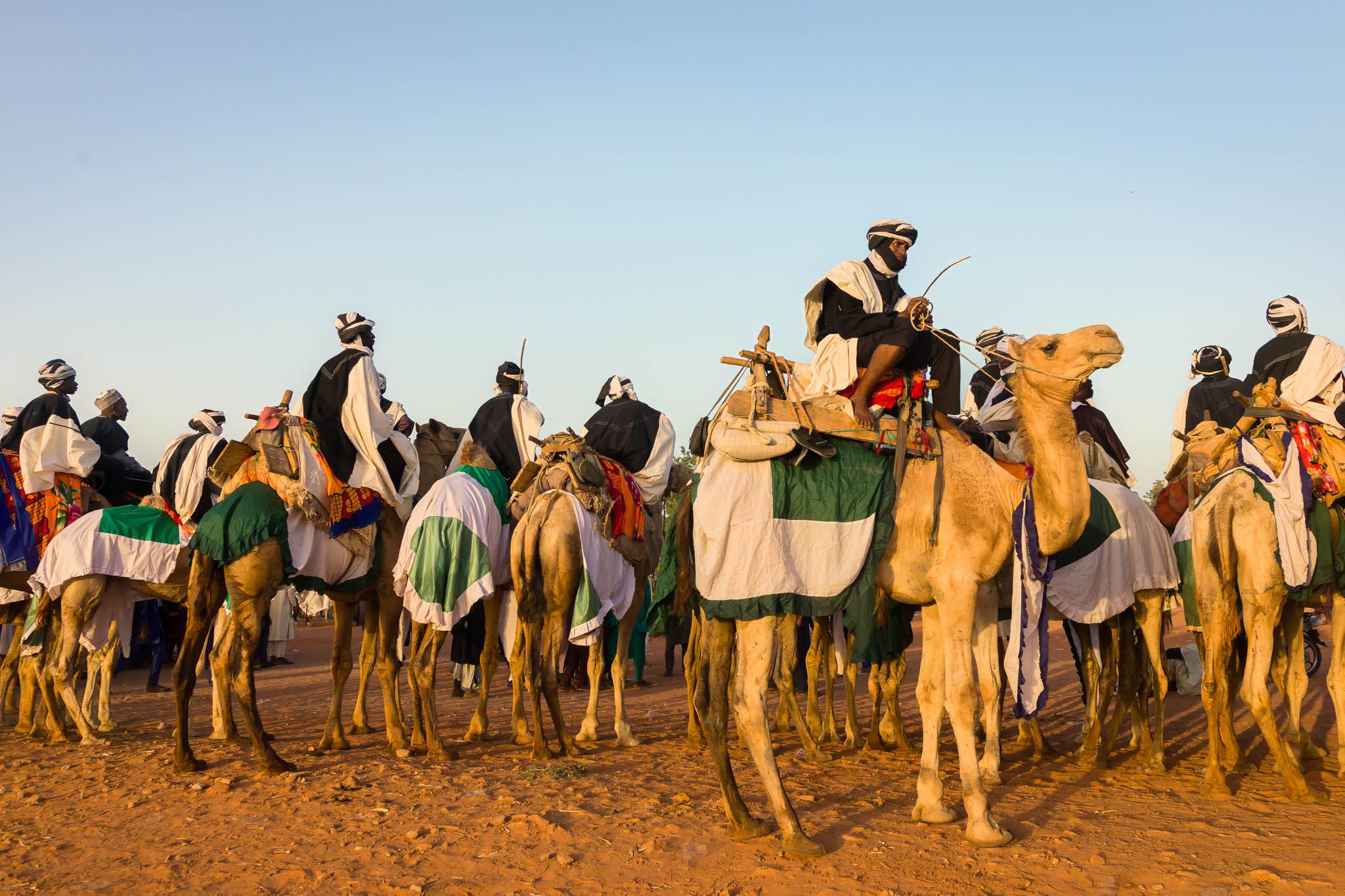
To witness the Argungu Durbar is to step into a waking dream. Groups of riders, each dressed in distinctive, colourful attire, line up one after another – an endless procession of horses, camels, and proud faces. Camels, often a symbol of the region’s desert heritage, move with regal calm among the horses, their presence a nod to Argungu’s ties to the broader Sahel and Sahara.
Living Spectacle: Performers and Unforgettable Sights
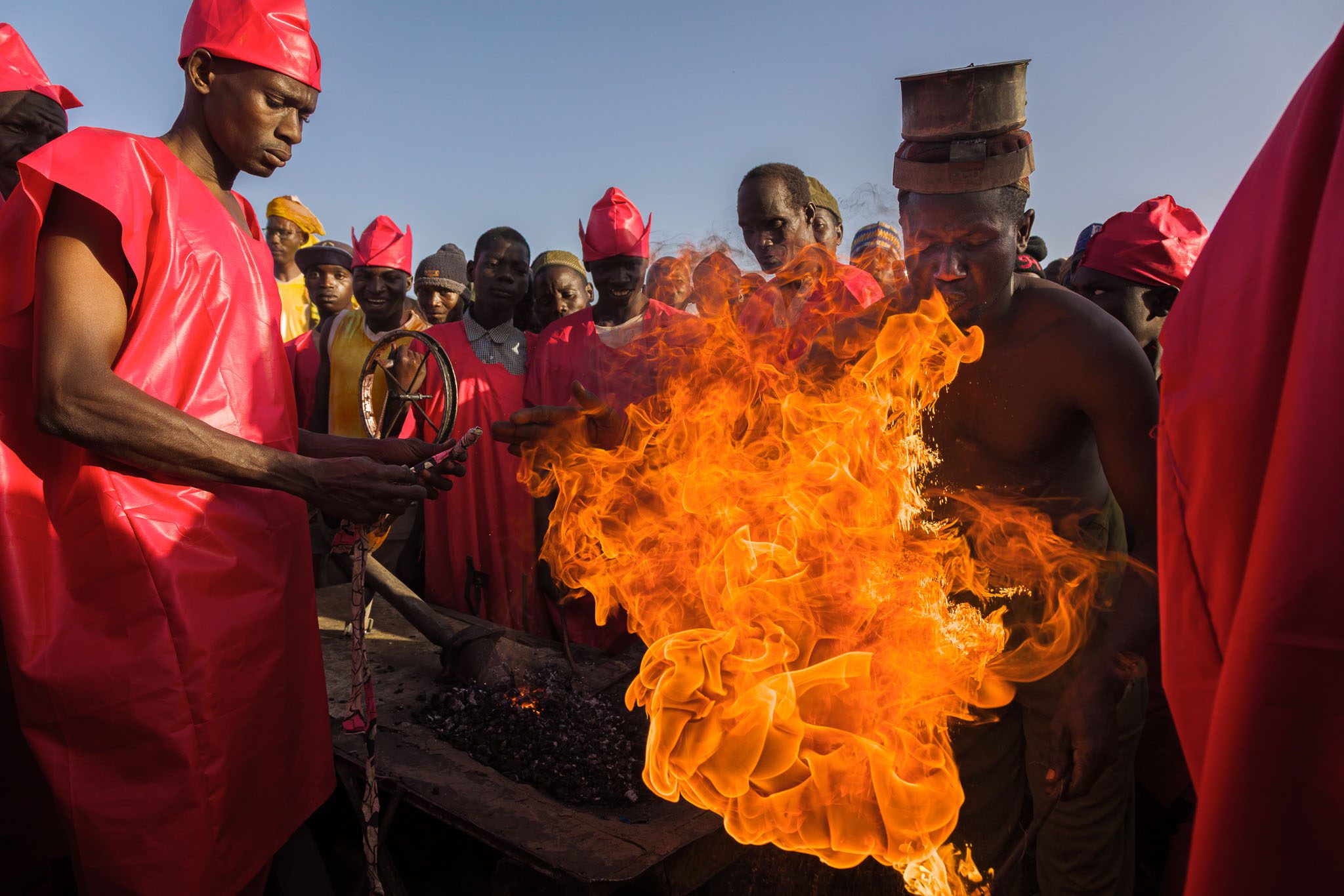
Then come the unforgettable performers: Bori dancers spinning past in a blur, the hyena men and their wild companions commanding gasps and laughter, crocodile handlers draping their charges across their shoulders with casual bravado. Snake charmers, scorpion crawlers, and other acts conjure a sense of the surreal – each a nod to the mysteries and wonders of Argungu.
The energy is breathless. One moment, a procession from Niger sweeps in – camels and drummers creating a spectacle that draws every eye. Soon, the air begins to tremble with the regal sound of the kakaki trumpets, signalling that something extraordinary is about to happen.
The Emir’s Arrival: Tension and Awe
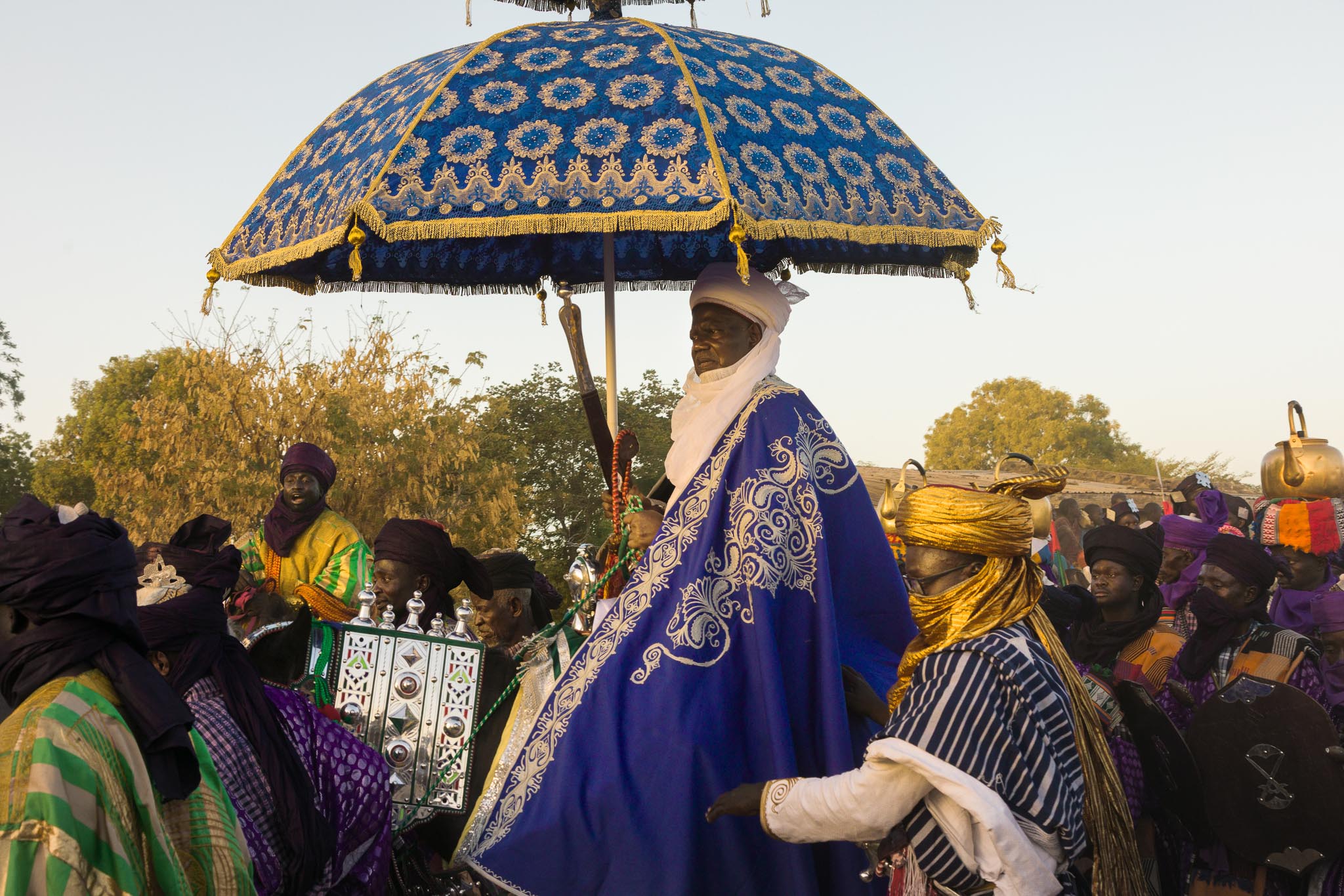
The steady beat of drums and the piercing sound of the kakaki trumpet announce the Emir’s approach, sending a ripple through the crowd. As the Emir draws near, the mood thickens. Men with rifles move through the throng, the crack of gunfire splitting the air and sending a shiver through the crowd. It is both a warning and a welcome, a sign of the Emir’s significance and the gravity of the moment.
What Stays With You
Argungu’s Durbar is a celebration that stays with you – long after the dust has settled and the music fades. It’s a living tradition, a gathering where history, pride, and community bond come alive in unforgettable ways.
For detailed image descriptions, licensing, or print purchases, please visit my Photoshelter Gallery.